Introduction
Have you ever been struggling with greasy stains on your surfaces? Whether it’s your kitchen countertops, stovetop, or floors, dealing with grease can be a real hassle. But did you know that there’s a simple and effective solution hiding in your pantry? Yes, we’re talking about cornflour, a humble ingredient that can work wonders when it comes to tackling greasy messes.
In this comprehensive article, I’ll guide you through the magic of cornflour as a cleaning agent for greasy surfaces. We’ll explore its properties, techniques for using it effectively, and real-life examples of how it has transformed countless homes. Buckle up, because you’re about to unlock a game-changing cleaning hack that will leave your surfaces sparkling clean and grease-free.
What is Cornflour?
Before we dive into the cleaning power of cornflour, let’s understand what it is. Cornflour – also known as cornstarch – is a fine powder derived from the endosperm of the corn kernel. It is widely used as a thickening agent in cooking and baking, but its applications extend far beyond the culinary world.
One of the key properties of cornflour that makes it an excellent cleaning agent is its ability to absorb liquids and oils. This characteristic stems from the fact that cornflour is a natural starch, composed of long chains of glucose molecules. These molecules have a high affinity for attracting and trapping greasy substances, making cornflour an ideal solution for dealing with stubborn grease stains.
How Does Cornflour Clean Greasy Surfaces?
The cleaning power of cornflour lies in its ability to form a paste-like consistency when combined with water. This paste acts as a gentle abrasive that can effectively lift and absorb grease and oil from surfaces without scratching or damaging them.
Here’s how you can harness the power of cornflour to clean greasy surfaces:
-
Mix cornflour and water: In a small bowl, combine equal parts of cornflour and water. The ratio can be adjusted based on the size of the area you need to clean. Start with a small amount and add more as needed.
-
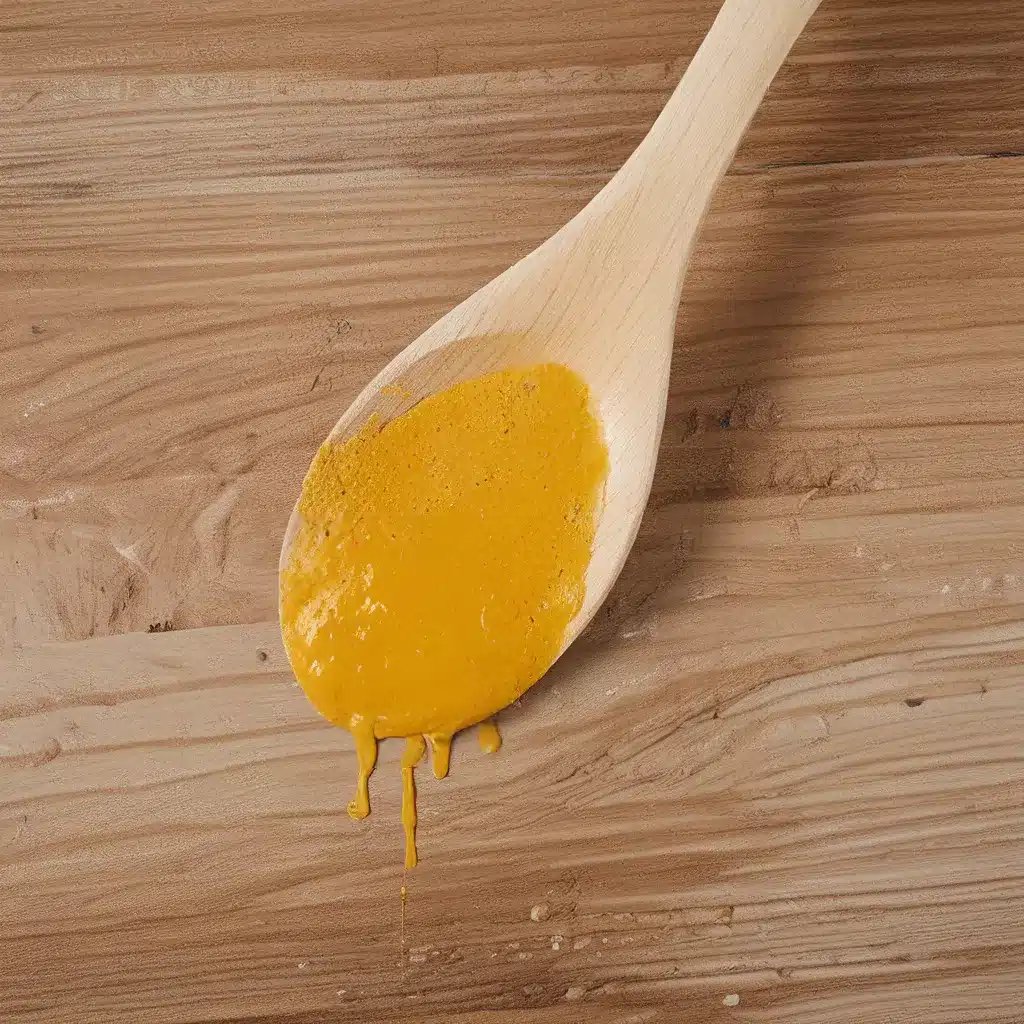
Create a paste: Using a spoon or your fingers, mix the cornflour and water until you achieve a smooth, paste-like consistency. The paste should be thick enough to stick to the surface but not too dry or runny.
-
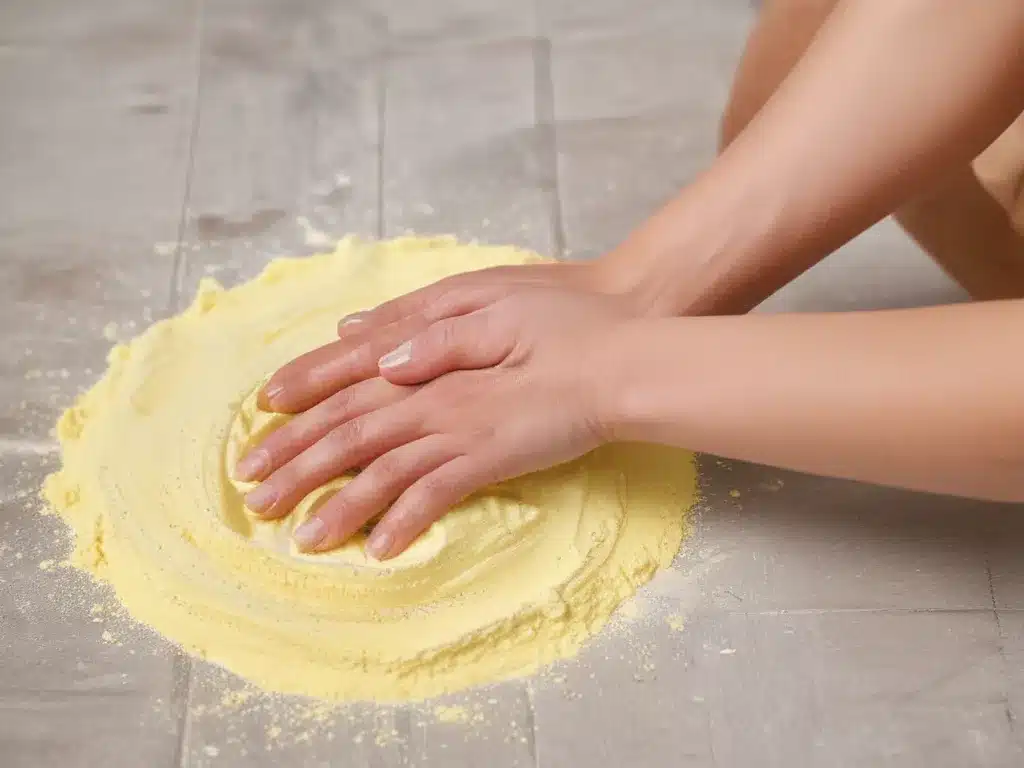
Apply the paste: Using a clean cloth or a non-abrasive sponge, gently spread the cornflour paste over the greasy surface. Make sure to cover the entire area evenly.
-
Let it sit: Allow the paste to sit on the surface for a few minutes. This will give the cornflour time to absorb and trap the grease.
-
Scrub and rinse: After a few minutes, use the cloth or sponge to gently scrub the surface in a circular motion. You’ll notice the paste gradually lifting and capturing the grease. Once you’ve scrubbed the entire area, rinse it thoroughly with clean water to remove any remaining residue.
-
Dry and polish: Finally, use a clean, dry cloth to wipe down the surface and buff it to a shine.
Real-Life Examples and Success Stories
Don’t just take my word for it; let’s dive into some real-life examples and success stories of people who have embraced the cleaning power of cornflour for greasy surfaces.
Kitchen Countertops and Stovetops
One of the most common areas where cornflour shines is in the kitchen. Amanda, a busy mom of three, shared her experience: “My kitchen countertops and stovetop were constantly covered in greasy splatters and spills, and no matter how hard I scrubbed, they always looked dull and grimy. That’s when I discovered the cornflour trick. It was like magic! The paste effortlessly lifted all the grease, leaving my surfaces spotless and shining.”
Outdoor Grills and Cooking Equipment
Cornflour isn’t just limited to indoor surfaces. Jason, an avid grillmaster, swears by it for cleaning his outdoor grill: “I used to dread the task of cleaning my grill after a big cookout. The built-up grease and charred residue seemed impossible to remove. But then I started using cornflour, and it transformed the entire process. Now, I can easily wipe away the grime, leaving my grill looking brand new.”
Floors and Tiles
Greasy floors and tiles can be a nightmare, but cornflour has proven to be a game-changer. Sarah, a restaurant owner, shared her experience: “With all the foot traffic and spills in our restaurant, our tile floors were constantly coated in a greasy film. We tried countless cleaning products, but nothing worked as well as cornflour. It’s now a staple in our cleaning routine, and our floors have never looked better.”
Advantages of Using Cornflour for Cleaning
Besides being an effective cleaning agent, cornflour offers several other advantages that make it an attractive choice for tackling greasy surfaces:
-
Eco-friendly and non-toxic: Unlike many commercial cleaning products that contain harsh chemicals, cornflour is a natural, biodegradable, and non-toxic substance, making it safe for use around children and pets.
-
Gentle on surfaces: The fine texture of cornflour makes it a gentle abrasive that won’t scratch or damage delicate surfaces like countertops, tiles, or appliances.
-
Versatile: Cornflour can be used to clean a wide range of greasy surfaces, from kitchen counters and stovetops to floors, grills, and even automotive parts.
-
Cost-effective: Cornflour is an inexpensive ingredient that can be found in most pantries or easily purchased at any grocery store, making it an affordable cleaning solution.
-
Easy to use: Mixing cornflour with water is a simple process, and the resulting paste is straightforward to apply and remove, requiring no special equipment or techniques.
Tips and Tricks for Using Cornflour Effectively
While cornflour is a powerful cleaning agent, there are a few tips and tricks to keep in mind to ensure optimal results:
-
Use a fresh batch for each application: Cornflour paste can dry out quickly, so it’s best to mix a fresh batch for each cleaning task.
-
Adjust the consistency as needed: Depending on the surface and the level of grease, you may need to adjust the ratio of cornflour to water to achieve the desired consistency.
-
Avoid letting the paste dry completely: If the cornflour paste dries completely on the surface, it can become more difficult to remove. Work in sections and rinse off the paste before it dries out.
-
Combine with other cleaning agents for tough stains: For particularly stubborn or baked-on grease, you can combine the cornflour paste with a small amount of baking soda or vinegar for added cleaning power.
-
Protect your hands: While cornflour is gentle on surfaces, it can dry out your hands with prolonged exposure. Consider wearing gloves during the cleaning process to keep your hands moisturized.
Final Thoughts and Where to Find Cornflour
Cornflour is a true wonder ingredient when it comes to cleaning greasy surfaces. Its natural ability to absorb oils and grease, combined with its gentle abrasive properties, makes it a powerful yet safe cleaning solution for a variety of surfaces. From kitchen countertops to outdoor grills, cornflour has proven its effectiveness time and time again.
If you’re looking to incorporate cornflour into your cleaning routine, you can easily find it at your local grocery store or online retailers. For those residing in the UK, AdamCleaning.uk offers a wide range of cleaning products and supplies, including cornflour, to help you tackle even the toughest greasy messes.
Embrace the cleaning power of cornflour, and say goodbye to stubborn grease stains for good. Your surfaces will thank you for the sparkling clean results and the eco-friendly approach.