
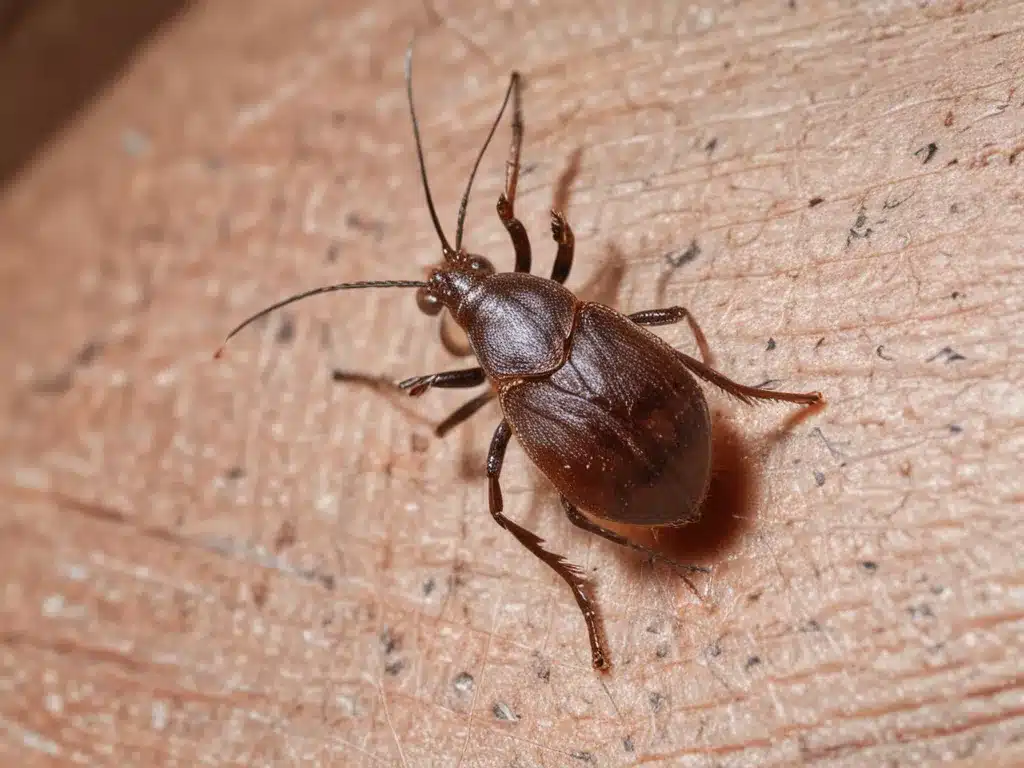
Overview of Tick Bites and Lyme Disease
Ticks are small parasitic organisms that feed on the blood of mammals, birds, and reptiles. They are common in wooded, bushy, and grassy areas. Ticks can transmit serious illnesses like Lyme disease when they attach to and bite humans. Therefore, it’s important to understand tick bites, how to properly remove ticks, and methods to prevent tick bites and Lyme disease.
What Are Ticks and Why Are Tick Bites Dangerous?
Ticks are small arachnids related to spiders, mites, and scorpions. There are different types of ticks, but blacklegged ticks (also called deer ticks) are the main species that transmit Lyme disease bacteria in North America.
Ticks feed by attaching their mouth to the skin of an animal or human and slowly ingesting blood. Tick bites are dangerous because:
- Ticks can transmit pathogens like bacteria, viruses, and parasites through their saliva when they bite. The most common tick-borne illness is Lyme disease.
- Tick bites often go unnoticed. A tick’s saliva contains anesthetic compounds so the bite is typically painless. You may not realize you’ve been bitten.
- Ticks can feed on blood for several days before dropping off. The longer they are attached, the higher the risk they will transmit an illness.
What is Lyme Disease?
Lyme disease is caused by bacteria called Borrelia burgdorferi that can be transmitted through the bite of an infected blacklegged tick. It is the most common vector-borne disease in the United States.
If left untreated, Lyme disease can cause severe complications including:
- Rashes
- Facial paralysis
- Arthritis-like joint pain
- Neurological problems
- Heart palpitations
Thankfully, Lyme disease can be treated successfully with antibiotics, especially if caught early. This makes prompt tick removal very important.
How to Properly Remove a Tick
If you find a tick attached to your skin, it is crucial to remove it as soon as possible to lower the chances of contracting Lyme disease or other tick-borne illnesses. Here are the recommended steps for safe tick removal:
1. Use Fine-Tipped Tweezers
- Use fine-tipped tweezers designed for splinter removal. Do not use bare hands or fingers.
- Grab the tick as close to your skin’s surface as possible. Try to grasp the tick’s head or mouth parts. Avoid squeezing or crushing the tick’s swollen belly.
2. Pull Upward Slowly But Steadily
- Once secured in the tweezers, pull upward with steady, even pressure. Avoid twisting or jerking.
- Do not squeeze, crush or puncture the tick’s body. This may cause pathogens to leak into the bite wound.
- The goal is to remove the tick as intact as possible.
3. Disinfect the Bite Area
- Once the tick is removed, disinfect the bite area and wash your hands with soap and water.
- Apply antiseptic cream or ointment to the bite site.
4. Dispose of the Tick
- Do not smash the tick with your fingers. The tick’s body fluids may spread pathogens.
- Place the live tick in a sealed bag or container. Stick it with tape in a logbook or freeze it. This can help with diagnostic testing later if needed.
- Do not burn ticks or apply toxic chemicals. Inhaling fumes or smoke may increase infection risk.
5. Monitor for Symptoms
- Watch for potential symptoms of Lyme disease, including rash, fever, chills, fatigue, body aches, and headache.
- Contact a doctor promptly if any symptoms arise. Early treatment is key.
Lyme Disease Prevention Tips
The best protection against Lyme disease is to prevent tick bites altogether. Here are some tips:
Avoid Tick Habitats
- Stay on cleared trails when hiking and avoid dense woods/brush.
- Ticks live in moist, humid environments.
Use Insect Repellents
- Apply EPA-registered repellent such as DEET. Treat exposed skin and clothing.
- Permethrin can also be used to treat clothes and gear. Follow product instructions carefully.
Wear Proper Clothing
- Wear long sleeves and pants when in tick areas. Tuck pants into socks.
- Wear light colors to spot ticks easily.
Perform Tick Checks
- Check your whole body thoroughly after being outdoors. Pay close attention to armpits, behind knees, hair, and under waistbands.
- Ask someone to check difficult to see areas. Check children and pets too.
- Tumble dry clothes on high heat to kill any lingering ticks.
Be Extra Cautious in Spring and Summer
- Peak tick season is spring through fall when they are most active.
- Take extra precautions in warmer months.
Consider Landscaping Modifications
- Keep lawns cut short and trim back brush/wood piles where ticks live.
- Put wood chips or gravel between lawns and wooded areas to restrict tick migration.
- Discourage rodent activity since mice and deer transport ticks.
When to See a Doctor for Tick Bites
Consult a healthcare provider if:
- The tick was attached for over 24 hours. The longer a tick is attached, the higher the risks.
- Part of the tick remains in the skin after attempted removal.
- An expanding rash or redness develops at the bite site. A Lyme rash often looks like a bullseye target.
- Flu-like symptoms arise including fever, muscle aches, headaches, fatigue.
- You are unable to completely remove the tick with tweezers.
Getting medical attention quickly can help diagnose and treat Lyme disease faster. Make sure to bring the tick with you for possible identification.
Conclusion
Tick bites can transmit dangerous diseases, most notably Lyme disease. To reduce infection risks, it is vital to remove attached ticks as soon as possible using proper technique – grasping the head with tweezers and pulling straight upward. Preventative measures like repellents, protective clothing, and tick checks are also important when spending time outdoors. Be vigilant for Lyme symptoms after any tick bite and see a doctor promptly if concerned. With prompt tick removal and awareness of Lyme disease, the chances of contracting an illness are greatly reduced.