Understanding the Importance of Wall Washing
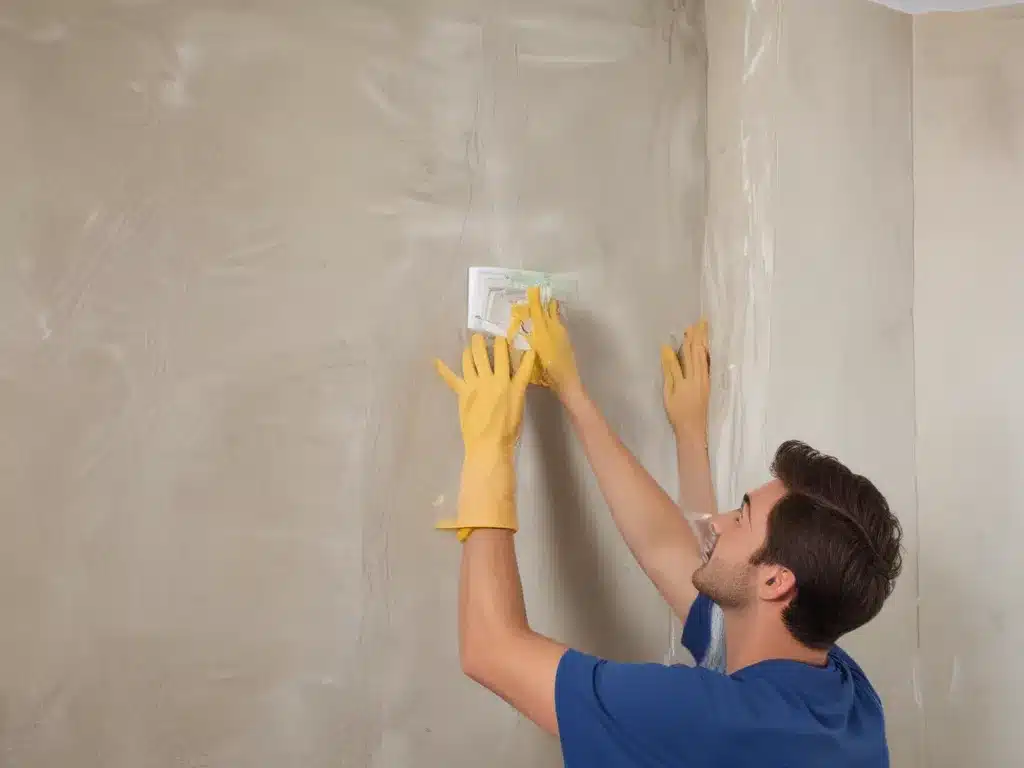
The walls of our homes and offices play a crucial role in creating a welcoming and visually appealing environment. Over time, these surfaces can accumulate dirt, grime, and stains, which can not only detract from the overall aesthetic but also impact the health and well-being of the occupants. That’s why regular wall washing is an essential task that every homeowner or facility manager should prioritize.
As the founder of AdamCleaning.uk, I have witnessed firsthand the transformative power of wall washing. I’ve seen dull, dingy walls become bright and refreshed, and I’ve witnessed the positive impact it can have on the mood and productivity of the people who occupy the space. In this comprehensive guide, I’ll share my expertise and insights to help you understand the importance of wall washing and provide you with the knowledge and tools you need to keep your walls looking their best.
The Benefits of Wall Washing
The benefits of wall washing extend far beyond just aesthetics. By regularly cleaning your walls, you can:
-
Improve Indoor Air Quality: Dust, allergens, and other airborne particles can accumulate on walls, contributing to poor indoor air quality. Wall washing helps remove these pollutants, improving the overall air quality and creating a healthier living or working environment.
-
Extend the Life of Your Walls: Dirt, grease, and other buildups can damage the paint or wall material over time, leading to premature wear and the need for costly repairs or repainting. Regular wall washing helps to preserve the integrity and longevity of your walls.
-
Enhance the Appearance of Your Space: A clean, well-maintained wall can instantly elevate the look and feel of a room, creating a more inviting and professional atmosphere.
-
Boost Productivity and Well-being: Studies have shown that a clean and organized work environment can positively impact employee productivity, mood, and overall well-being. Wall washing can be an important part of creating a clean and uplifting workspace.
-
Prepare for Painting or Redecorating: If you’re planning to repaint or redecorate your walls, it’s essential to start with a clean surface. Wall washing ensures that the new paint or wallpaper will adhere properly and provide the best possible results.
Understanding the Different Types of Wall Surfaces
Before you begin the wall washing process, it’s important to understand the different types of wall surfaces you may encounter. Each surface requires a unique approach to ensure effective cleaning while also preserving the integrity of the material. Let’s explore the most common wall types and the best practices for cleaning them:
Painted Walls
Painted walls are the most common type of wall surface. They can be made of various materials, such as drywall, plaster, or even concrete. When cleaning painted walls, it’s essential to use a gentle, non-abrasive cleaner and a soft-bristle brush or cloth to avoid damaging the paint.
Wallpapered Walls
Wallpapered walls require a more delicate touch. Harsh chemicals or scrubbing can easily damage the wallpaper, leading to peeling or tearing. Instead, use a mild, wallpaper-safe cleaner and a damp cloth to gently wipe the surface.
Textured Walls
Textured walls, such as those with a popcorn or stippled finish, can be more challenging to clean. The uneven surface can trap dirt and debris, making it difficult to remove. Use a soft-bristle brush or a vacuum with a soft attachment to gently lift and remove the dirt and grime.
Brick and Stone Walls
Brick and stone walls require a different approach, as they are more porous and can be susceptible to staining and discoloration. Use a mild, pH-balanced cleaner and a soft-bristle brush to scrub the surface, taking care to rinse thoroughly to remove any residue.
Wood-Paneled Walls
Wood-paneled walls add a warm and inviting aesthetic to a space, but they also require special care. Use a wood-safe cleaner and a soft cloth to wipe down the surface, avoiding harsh scrubbing that could damage the finish.
Preparing for Wall Washing
Before you begin the wall washing process, it’s important to take the time to properly prepare the space. This will ensure that the cleaning is effective and efficient, and that you don’t inadvertently cause any damage to your walls or surrounding surfaces.
Gather the Necessary Supplies
The first step in preparing for wall washing is to gather all the necessary supplies. This may include:
- Cleaning solution (appropriate for your wall type)
- Soft-bristle brushes or cleaning rags
- Sponges or scrubbing pads
- Ladder or step stool (if necessary)
- Painter’s tape or drop cloths to protect nearby surfaces
- Rubber gloves to protect your hands
Protect Surrounding Surfaces
When cleaning walls, it’s essential to protect surrounding surfaces, such as floors, furniture, and trim, from any splashing or dripping. Use painter’s tape or drop cloths to cover these areas and minimize the risk of damage.
Prepare the Wall Surface
Before you start cleaning, take the time to prepare the wall surface. This may involve dusting or wiping down the walls with a dry cloth to remove any loose dirt or debris. This will help the cleaning solution work more effectively and reduce the risk of smearing or streaking.
Safety Considerations
Wall washing can be a physically demanding task, especially if you’re working on tall or hard-to-reach areas. Be sure to use a sturdy ladder or step stool, and take breaks as needed to avoid fatigue or injury. Additionally, wear appropriate personal protective equipment, such as gloves and eye protection, to safeguard your health and well-being.
The Wall Washing Process
Now that you’ve prepared the space and gathered the necessary supplies, it’s time to tackle the wall washing process. Here’s a step-by-step guide to ensure a thorough and effective clean:
Step 1: Dilute the Cleaning Solution
The first step in the wall washing process is to dilute the cleaning solution according to the manufacturer’s instructions. This will ensure that you’re using the right concentration of the cleaning agent, which is essential for achieving the best results without damaging the wall surface.
Step 2: Apply the Cleaning Solution
Once the cleaning solution is properly diluted, use a soft-bristle brush or a clean rag to apply the solution to the wall in small sections. Gently scrub the surface, taking care to work in a circular or overlapping motion to ensure even coverage.
Step 3: Rinse the Wall
After scrubbing the wall, use a clean, damp cloth to rinse away any remaining cleaning solution. Be sure to thoroughly rinse the surface to prevent any residue from drying and leaving behind streaks or discoloration.
Step 4: Dry the Wall
Use a clean, dry cloth or paper towels to gently pat the wall dry. Avoid rubbing the surface, as this can cause water spots or other blemishes.
Step 5: Inspect the Results
Once the wall is dry, take a step back and inspect the results. Look for any areas that may still require additional cleaning, and repeat the process as needed until you’re satisfied with the overall appearance.
Step 6: Maintain the Cleanliness
To keep your walls looking their best, make wall washing a regular part of your cleaning routine. Depending on the amount of foot traffic and the level of dirt and grime in your space, you may need to clean your walls every few months or even more frequently.
Common Wall Washing Challenges and How to Overcome Them
While the wall washing process may seem straightforward, there are some common challenges that you may encounter along the way. Here’s a look at some of the most common issues and how to overcome them:
Stubborn Stains and Grime
Some walls may have stubborn stains or built-up grime that is resistant to regular cleaning solutions. In these cases, you may need to use a more powerful cleaning agent or try a scrubbing pad to remove the tougher deposits.
Hard-to-Reach Areas
Cleaning walls can be particularly challenging in hard-to-reach areas, such as high ceilings or corners. Use a sturdy ladder or step stool to access these areas safely, and consider using a telescoping cleaning wand or a microfiber mop to extend your reach.
Discoloration and Fading
Over time, walls can become discolored or faded, especially in high-traffic areas or those exposed to direct sunlight. If regular cleaning doesn’t restore the wall’s original color, you may need to consider repainting or retouching the area.
Damage to Delicate Surfaces
As mentioned earlier, some wall surfaces, like wallpaper or textured finishes, can be easily damaged by aggressive cleaning methods. Always use the appropriate cleaning solutions and techniques for your wall type to avoid causing any harm.
Lingering Odors
In some cases, even after thoroughly cleaning the walls, you may still notice lingering odors, particularly in areas with high moisture levels or where cooking takes place. To address this, consider using an odor-eliminating cleaning solution or a deodorizing spray specifically formulated for walls.
By being aware of these common challenges and having the right tools and techniques on hand, you can overcome them and achieve the best possible results from your wall washing efforts.
The Benefits of Hiring Professional Wall Washing Services
While wall washing can be a DIY project, there are many benefits to hiring professional wall washing services, such as those offered by AdamCleaning.uk. Here are just a few reasons why you might consider outsourcing this task:
-
Expertise and Experience: Professional wall washing service providers have the knowledge, training, and experience to tackle even the most challenging wall cleaning projects. They know the best techniques and products to use for different wall types and can ensure a thorough, high-quality clean.
-
Time and Efficiency: Cleaning walls can be a time-consuming and physically demanding task, especially if you have a large space or hard-to-reach areas. Professional cleaners can complete the job much faster and more efficiently than a DIY approach.
-
Safety: Wall washing often requires the use of ladders, step stools, and other equipment to reach high or difficult areas. Professional cleaners have the proper safety equipment and training to minimize the risk of accidents or injuries.
-
Customized Solutions: Professional wall washing services can assess your specific needs and provide customized solutions to address any unique challenges or requirements you may have.
-
Consistent Results: When you work with a reputable wall washing service, you can expect consistently high-quality results every time, ensuring that your walls stay looking their best.
If you’re interested in learning more about the wall washing services offered by AdamCleaning.uk, I encourage you to visit our website at https://adamcleaning.uk/services/. Our team of experienced and trained professionals would be happy to provide you with a free quote and discuss how we can help keep your walls looking their absolute best.
Conclusion
In conclusion, regular wall washing is an essential task that can have a profound impact on the overall appearance, indoor air quality, and even the productivity and well-being of the people who occupy the space. By understanding the different types of wall surfaces, preparing properly, and following the right techniques, you can achieve remarkable results and enjoy the many benefits of clean, well-maintained walls.
Whether you choose to tackle the wall washing process yourself or opt to hire a professional service like AdamCleaning.uk, the time and effort you invest in this task will be well worth it. Your walls will be brighter, cleaner, and more inviting, creating a truly remarkable and welcoming environment for all who enter.
So why wait? Start planning your wall washing project today and experience the transformative power of clean, refreshed walls in your home or office. Your space, and your well-being, will thank you for it.