Sewage backups can wreak havoc on a restaurant. As a restaurant owner, acting quickly and methodically to clean and sanitize is crucial for getting back up and running. This article provides an in-depth guide to recovering from a sewage incident.
Assessing the Damage
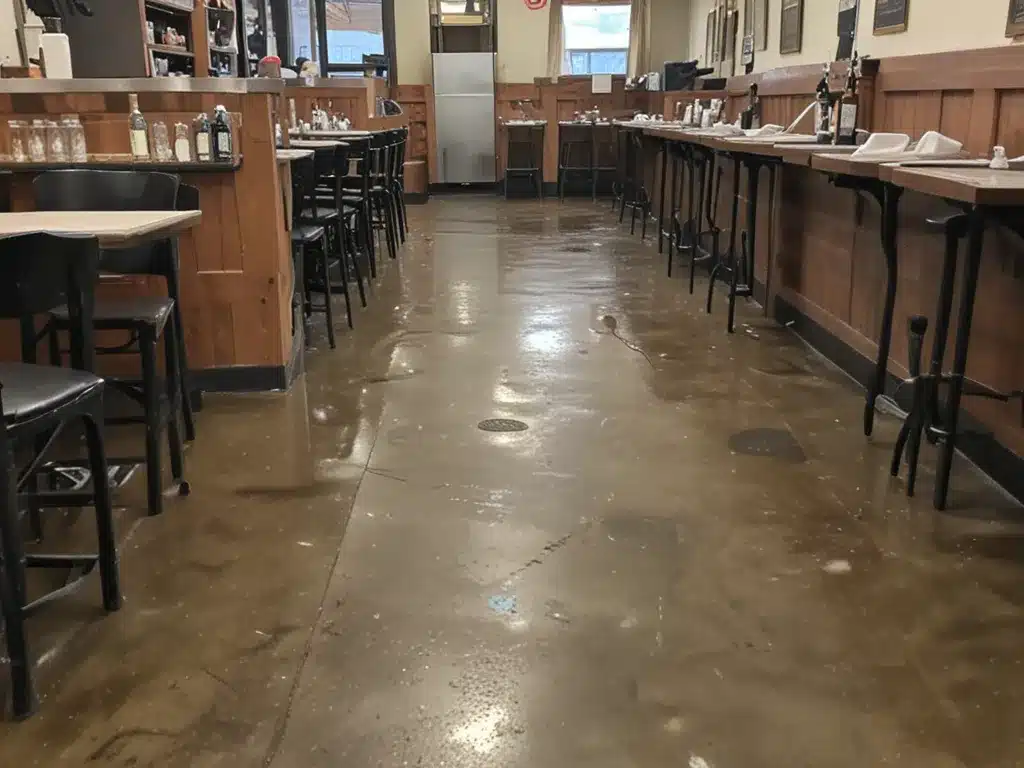
Once a sewage backup occurs, the first priority is assessing the scope of contamination. A thorough inspection of the premises can determine:
-
Which areas have been affected – The dining room? Kitchen? Restrooms? Contamination may be isolated or widespread.
-
How far the sewage has spread – Has it seeped under walls into adjacent rooms? Traveled between floors? Entered vent or ductwork?
-
What needs to be cleaned or replaced – Carpets, walls, furniture and other porous materials may need professional cleaning or complete replacement.
-
What can be salvaged – Stainless steel, sealed hard surfaces, and nonporous materials can often be thoroughly sanitized.
Documenting details with photos and notes will aid insurance claims and remediation. Being comprehensive at this stage is crucial.
Reporting to Officials
Once assessed, immediately report the incident to the proper health department and other officials.
-
Contact the local health department to report the sewage contamination. An inspector will likely conduct an independent assessment. Their report carries legal weight.
-
Notify your insurance company to get their remediation team involved quickly.
-
Inform servicing companies – plumber, cleaning crew, etc. Expert assistance will be needed.
-
Contact regular patrons to explain the situation if you must close temporarily. Transparency is appreciated.
Moving quickly to report and engage the proper authorities prevents delays in reopening.
Remediation: Cleaning and Replacing
With assessment complete and authorities engaged, remediation can begin. Be sure to follow all instructions from health officials. They may require:
-
Removing contaminated materials – Discard porous items like carpets and drapes. Remove and dispose of impacted drywall or insulation.
-
Professional cleaning of salvageable materials – Tile, metal, and sealed surfaces can often be sanitized after thorough professional cleaning.
-
Using antimicrobial treatments – Applying antimicrobial agents helps eliminate bacteria left behind.
-
Making structural changes – Installing cleanout valves, moving appliances, or trenching floors may be needed to prevent recurrence.
Following official guidelines prevents lingering contamination that could sicken patrons and staff. Err on the side of caution.
Sanitization and Testing
With visible contamination eliminated, sanitizing and testing ensures the restaurant is truly safe:
-
Sanitize the entire premises using disinfectants approved by health officials. Clean and sanitize floor to ceiling.
-
Flush plumbing and HVAC systems to remove contamination from pipes and vents.
-
Conduct swab tests to check for lingering bacteria, especially in kitchen and bars. Swab drains, ice machines, walk-ins, and other vulnerable areas.
-
Hire an independent testing company to verify the premises is contamination-free. This provides proof to health officials and reassurance to customers.
Only resume operations after obtaining health department approval and verifiable test results. This confirms beyond doubt that the restaurant is clean and safe.
Ready to Reopen
Once fully remediated, cleaned, and tested, focus turns to reopening. Be sure to:
-
Address any structural and equipment changes needed to prevent another sewage backup.
-
Replace any discarded food and supplies so kitchen and bar are fully stocked and ready for service.
-
Advertise that you’ve reopened – mail patrons, update websites and social media, place signage, etc.
-
Offer reopening discounts or promotions to encourage customers to return after closure.
-
Train staff on updated protocols to keep the premises pristine.
Taking these key steps helps the restaurant rebound and rebuild business as quickly as possible. Stay vigilant to prevent any recurrence.
Recovering fully from a sewage incident requires methodical attention to every detail. Working swiftly but thoroughly to assess, clean, sanitize, and test enables restaurants to reopen with confidence. Follow health department guidelines, retain experts, and validate full remediation. With patience and diligence, dining establishments can revitalize their facilities and reputation. A thoughtful, meticulous approach leads to a successful restaurant rebound.