Remove Sticky Residues Simply
Sticky Situations and How to Conquer Them
You know the feeling – you’re excited to start a new project, whether it’s sprucing up your home or tackling a DIY task, only to be met with the frustrating obstacle of stubborn, sticky residue. Whether it’s leftover adhesive from a label, gooey remnants of spilled substances, or the frustrating aftermath of something as simple as a sticky chair pad, these sticky situations can put a real damper on your plans.
As the owner of Adam Cleaning, a premier cleaning service in Nottingham, UK, I’ve seen my fair share of sticky messes. But over the years, I’ve also learned a thing or two about how to tackle them effectively. That’s why I’m here to share my secrets with you today – prepare to bid farewell to those pesky sticky residues for good!
The Culprits: Common Sources of Sticky Residue
Sticky residue can crop up in the most unexpected places. One of the most common offenders? Those darn sticky labels and price tags. You know the ones – you peel them off, only to be left with a gooey, unsightly mess. And it’s not just labels that can cause trouble; spills, adhesives from furniture pads, and even the gradual buildup of dirt and grime can all lead to those frustrating sticky situations.
Take it from my own experience – when we had our floors renovated, we decided to use some sticky felt chair pads to protect the new wood. But as the chairs were slid across the uneven floor, the pads got snagged in the cracks, and the sticky residue started to build up. Before we knew it, we had dark spots and streaks all over the place!
The Solutions: Proven Methods for Removing Sticky Residue
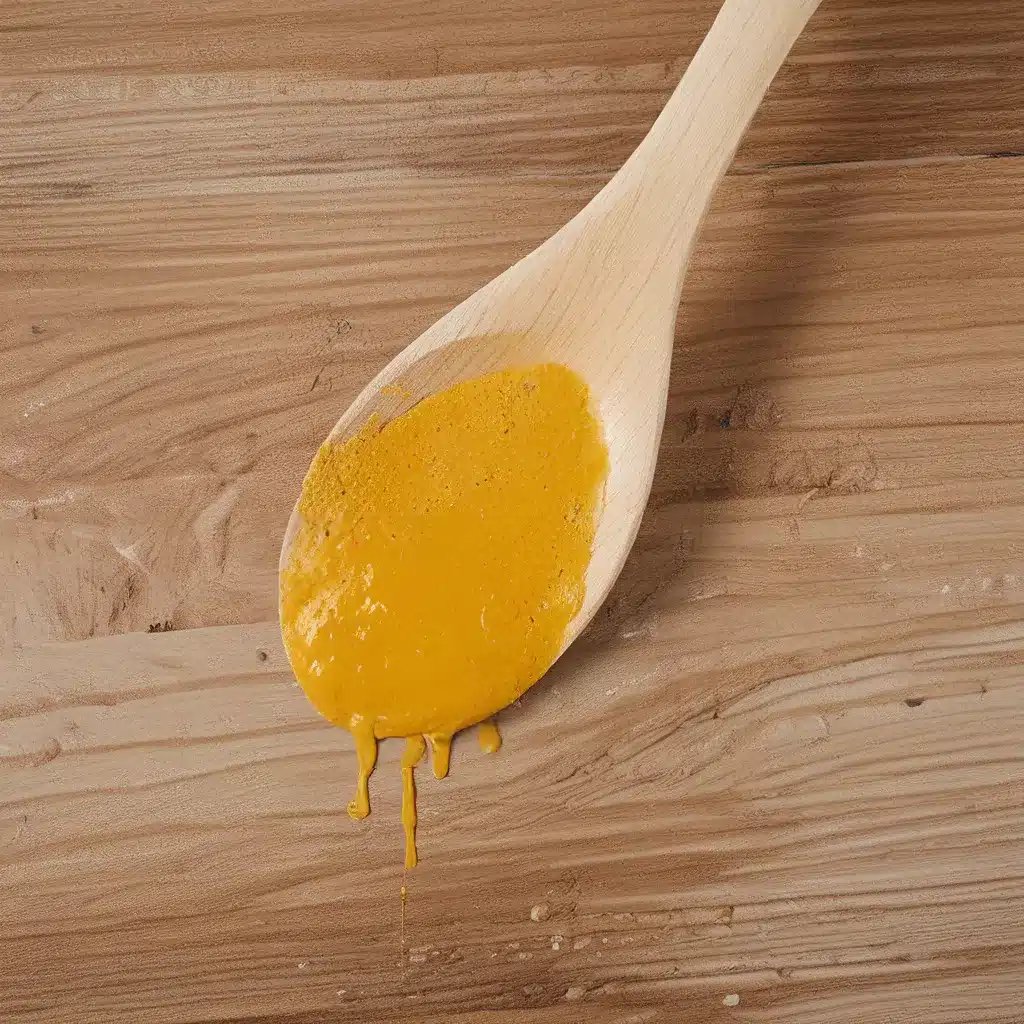
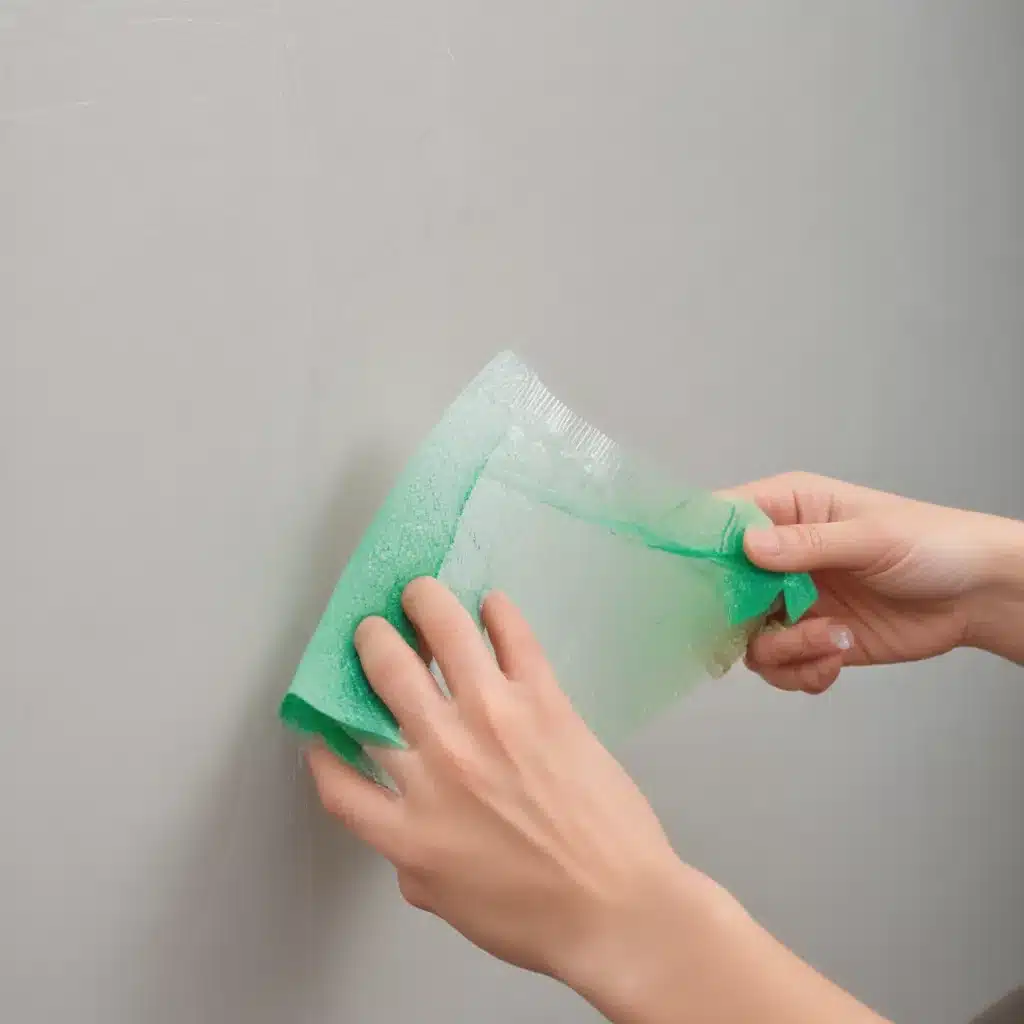
But fear not, my friends – I’m here to share the tricks of the trade that’ll have you saying goodbye to sticky residue for good. One of the most effective solutions I’ve found is good old-fashioned cooking oil. Simply pour a bit onto a clean rag, and start rubbing away at that stubborn residue. The oil helps to break down the adhesive, making it much easier to wipe away.
For those really stubborn spots, I’ve found it works best to let the oil soak in for a minute or two before going back and giving it a good rub. This helps to really loosen up the surface and make the removal process a breeze. And the best part? Once you’ve got that sticky stuff off, a quick wash with a reliable floor cleaner (I swear by Bruce hardwood floor cleaner – it’s streak-free, every time!) will have your surfaces looking as good as new.
| Sticky Situation | Removal Method |
|---|---|
| Leftover label adhesive | Cooking oil and a clean rag |
| Sticky chair pads | Cooking oil, let soak, then wipe clean |
| Spills and grime buildup | Bruce hardwood floor cleaner |
Preventing Future Sticky Situations
Of course, the best way to deal with sticky residue is to prevent it in the first place. That’s why I always recommend investing in high-quality, non-stick chair pads and accessories. These days, there are so many great options out there that won’t leave you with that dreaded sticky aftermath.
And when it comes to labels and price tags, try to remove them as soon as possible. The longer they sit, the harder they’ll be to get off. If you do find yourself with a stubborn label, don’t be afraid to try a little oil or other gentle solvent to help break down the adhesive.
Remember, the key to conquering sticky residue is to act quickly and use the right tools for the job. With a little elbow grease and the right cleaning know-how, you can say goodbye to those pesky sticky situations for good. So what are you waiting for? Let’s get to work!