Why Clean Your Upholstery Regularly?
Keeping my upholstered furniture clean is important for several reasons. First, it extends the life of the fabrics. Dirt and oils can break down fibers over time. Regular cleaning keeps them looking fresh and new longer.
Second, it’s more hygienic. Sofas and chairs harbor dust, dirt, pet dander, and even germs that build up over time. A good cleaning helps remove these allergens and keeps my home healthier.
Finally, clean upholstery just looks and feels better! It’s visually more appealing when furniture is free of stains, pet hair, andlint. And who doesn’t love sitting or relaxing on a freshly cleaned couch or chair?
Useful Supplies for DIY Upholstery Cleaning
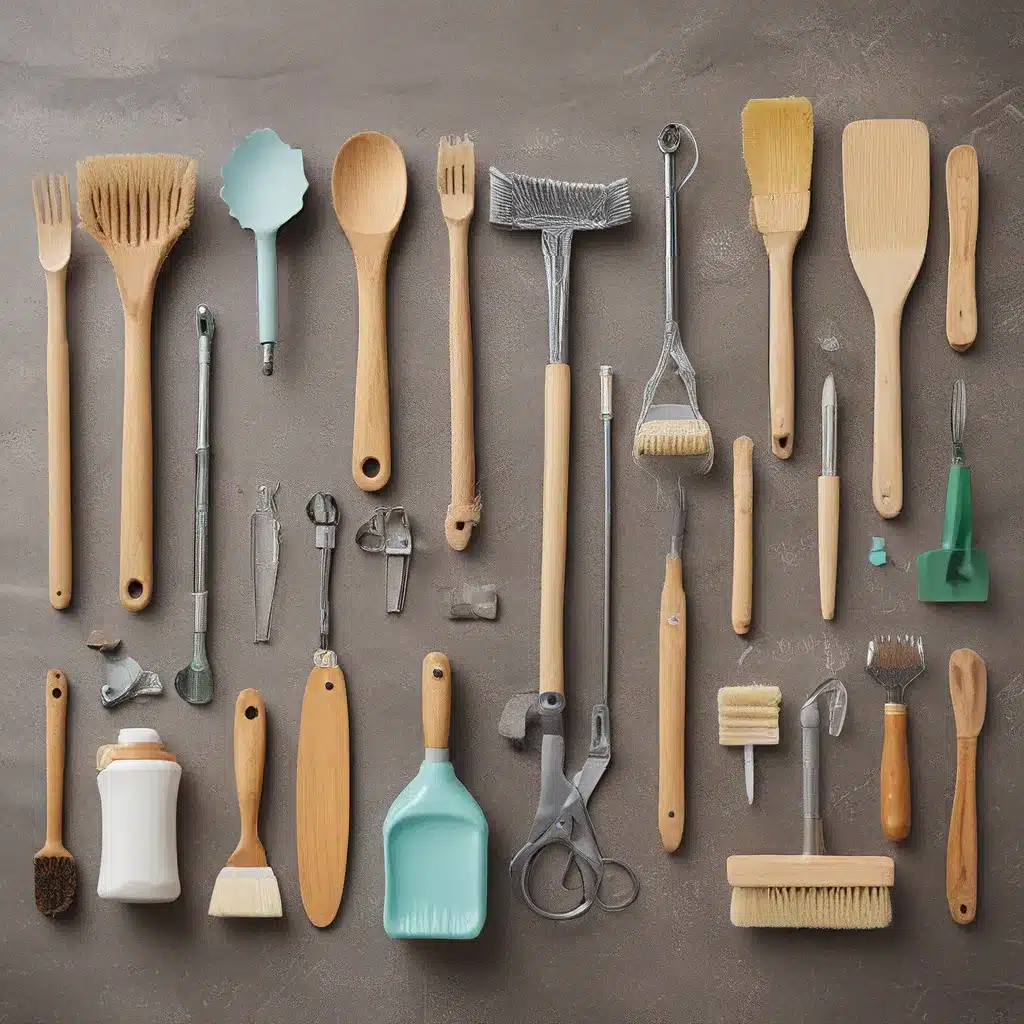
Cleaning upholstered furniture yourself can save money compared to hiring professional cleaners. With some basic supplies from the grocery or hardware store, I can tackle most cleaning jobs:
-
Vacuum cleaner – Thoroughly vacuum fabric first to remove loose dirt and debris. Use appropriate attachments for different areas.
-
Mild dish soap – Dilute with water in a spray bottle. Works well for spot cleaning stains.
-
Baking soda – Sprinkle on fabrics and let sit before vacuuming. Helps freshen and deodorize.
-
White vinegar – Mix with water and spray on cushions. Acts as a fabric freshener and mild disinfectant.
-
Microfiber cloths – Great for wiping down vinyl or leather. Won’t scratch or damage surfaces.
-
Soft bristle brush – Use gentle brushing motions to lift dirt from fabrics. Avoid abrasive scrubbing.
-
Upholstery cleaning machine – For a deep clean, machines with hand attachments can shampoo and extract dirt from fabric.
Step-By-Step Guide for DIY Upholstery Cleaning
Follow these steps to thoroughly clean my upholstered furniture:
1. Vacuum First
Use the appropriate vacuum attachments to remove loose dirt, debris, and pet hair from all fabric surfaces. Get into crevices and seams.
2. Spot Clean Stains
Mix a mild detergent like dish soap with water in a spray bottle. Lightly mist stained areas and gently blot with a clean cloth. Avoid excess rubbing. Rinse with clear water and blot dry.
3. Deodorize and Freshen
Sprinkle baking soda liberally over fabric. Let sit for 15-30 minutes before vacuuming up. Spray lightly with a vinegar/water solution. It will clean and deodorize without leaving a smell.
4. Deep Clean with Upholstery Cleaner
Use an upholstery cleaning machine to shampoo cushions, pillows, and other removable covers according to manufacturer’s instructions. This will pull out deep, ground-in dirt from the fibers. Allow to fully dry before replacing covers.
5. Gently Scrub Solid Areas
For leather, vinyl, or solid wood areas, use a soft bristle brush and mild cleaner to gently scrub surfaces. Wipe away residue with microfiber cloths. Avoid over-scrubbing to prevent damage.
Cautions When DIY Cleaning Upholstery
While DIY cleaning can save money, there are a few precautions:
-
Always check furniture tags first and use cleaners made for that fabric type.
-
Test cleaners in inconspicuous areas first to ensure no discoloration or damage.
-
Avoid excessive water or heat which can damage fabrics. Air dry thoroughly.
-
Don’t over-scrub fragile fabrics which can cause tearing or pulls.
-
Know when to call in a professional! Extra-delicate antique or velvet fabrics may require expert care.
With some gentle effort, the right supplies, and careful attention, I can keep my upholstered furniture looking fresh between professional cleanings. A little DIY approach saves money and lets me enjoy cleaner, fresher upholstery every day.