Introduction
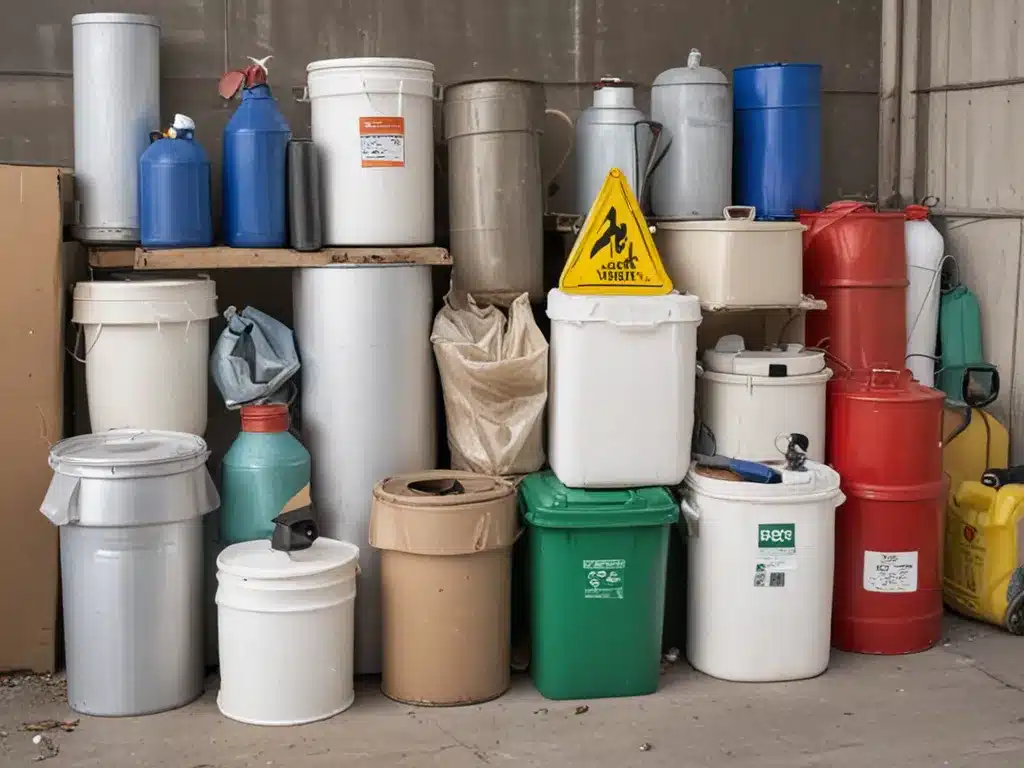
Households contain many products that can be hazardous if not disposed of properly. Improper disposal can pollute the environment and harm human health. As responsible citizens, we must learn how to identify hazardous household items and dispose of them safely. This article will provide in-depth information on properly disposing of hazardous household waste.
Identifying Hazardous Household Items
The first step is learning how to identify potentially hazardous products in your home. Here are some types of common hazardous household items:
Cleaning Products
- Drain cleaners
- Oven cleaners
- Toilet bowl cleaners
- Bleach and ammonia-based cleaners
- Polishes and waxes containing solvents
Automotive Products
- Motor oil and filters
- Gasoline and diesel fuel
- Brake fluid and transmission fluid
- Antifreeze
- Car batteries
Home Improvement Products
- Oil-based paints and stains
- Paint thinners and strippers
- Pesticides and herbicides
- Solvents like turpentine
- Lead-based paints
Electronics
- Televisions and computer monitors
- Laptops and cell phones
- Printers and fax machines
- Batteries
How Hazardous Household Items Should Be Disposed
Never pour hazardous liquids down the drain or trash them. This can contaminate water supplies and harm waste management workers. Follow these disposal methods instead:
Take Them to Special Collection Events
Many municipalities organize household hazardous waste collection events periodically. Check your city’s website for upcoming dates. Take your hazardous items to the event location and specialists will handle the proper disposal.
Visit Permanent Collection Facilities
Some areas have permanent household hazardous waste facilities. Dispose of your hazardous household waste safely at these drop-off locations.
Use Curbside Pick-Up Services
A few waste management companies offer curbside pick-up services for household hazardous waste disposal. Check if this service is available in your area.
Mail Items Back Through Take-Back Programs
Some manufacturers and retailers accept back certain hazardous items like batteries, CFL bulbs, or electronics. Look up take-back and mail-back offers for safe and convenient disposal.
Donate Usable Products
Consider donating partially used but still viable hazardous products like paints, stains, or pesticides to charitable organizations or neighbors who can use them up.
Proper Disposal Methods for Specific Products
Here are some proper disposal techniques for common hazardous household items:
Batteries
- Rechargeable batteries – Take to drop-off locations or use mail-back programs.
- Single-use batteries – Take to drop-offs or put in normal trash if permitted in your area.
Paints and Solvents
- Completely dry out latex paint and discard empty cans in trash.
- Take oil-based paints and solvents to hazardous waste facilities.
- Donate usable leftovers to neighbors, theaters, or community organizations.
Fluorescent Bulbs
- CFLs and tube bulbs contain mercury – take to drop-offs or use mail-back services.
- Never put in curbside recycling or trash.
Electronics
- Take to drop-off events, retailers, or mail-back programs.
- Consider donating working electronics to charity.
Needles and Sharps
- Place used sharps in sealed puncture-proof containers.
- Dispose through take-back programs or in household trash if allowed.
Auto Fluids
- Take to drop-off facilities that accept motor oil and other car fluids.
- Ask auto mechanics and gas stations if they accept used motor oil.
Conclusion
Disposing of hazardous household products requires care to avoid environmental damage. Identify potential hazards at home and utilize recommended disposal options like take-back programs, donation, or hazardous waste drop-offs. With proper handling, we can keep these everyday items out of landfills and water supplies. Our health and the environment depend on it!