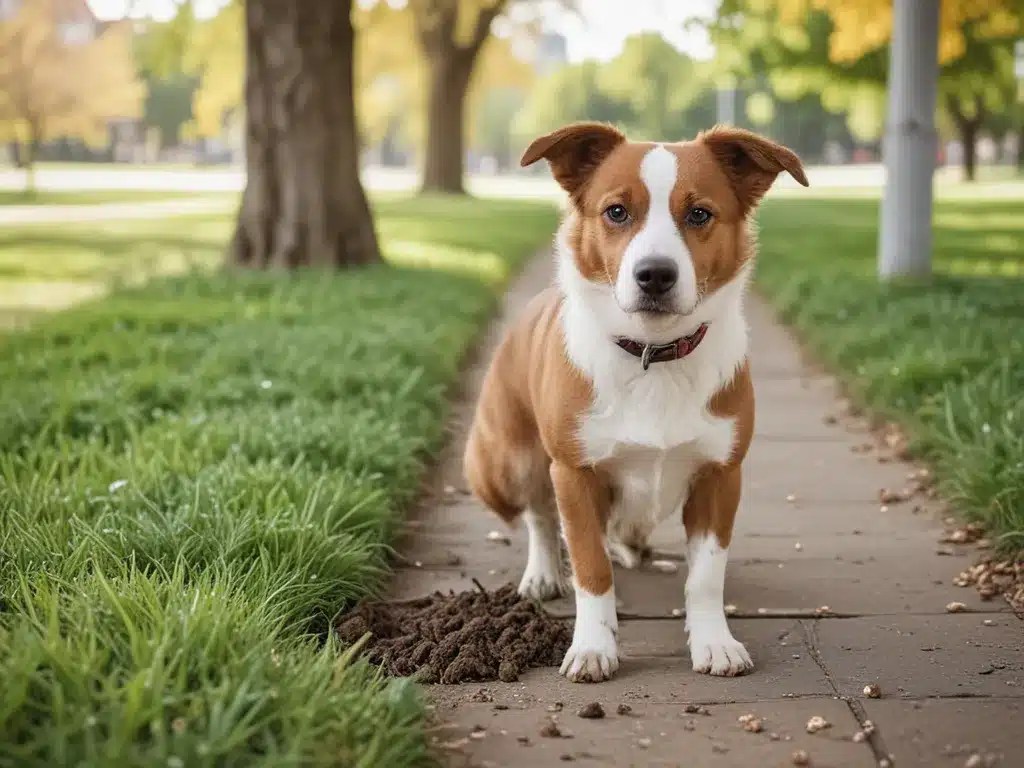
As a pet owner, I know that picking up after my dog is an important responsibility whenever we go for walks in public areas. Pet waste contains bacteria and parasites that can pose health risks, especially for children who play outside. Here is an in-depth look at the potential health hazards of pet poop in public places, as well as tips for proper removal and disposal.
Health Risks of Pet Waste
Dog poop can contain harmful bacteria, viruses, parasites and other pathogens. According to the Centers for Disease Control and Prevention (CDC), pet waste can spread infections to humans when it comes into contact with soil, water, food or shoes. Some of the potential health risks include:
Gastrointestinal Illnesses
- Salmonella – One of the most common bacteria found in dog feces which can cause diarrhea, fever, vomiting and abdominal cramps.
- Campylobacter – Leading cause of diarrhea that can also result in cramps, nausea, headaches and muscle pain.
- Giardia – Microscopic parasite that causes diarrheal disease known as giardiasis.
- Parvovirus – Highly contagious virus that causes severe vomiting and diarrhea in dogs that can spread to humans.
Other Infections
- Toxocariasis – Roundworm infection transmitted from dogs that usually doesn’t show symptoms but can cause vision loss, rash, fever or cough.
- Toxoplasmosis – Parasite found in cat poop that can infect humans and pose risks for pregnant women.
- Cryptosporidium – Intestinal parasite that leads to diarrheal disease and can be fatal for people with weakened immune systems.
Environmental Contamination
Pet waste contains nutrients like nitrogen and phosphorus that wash into waterways. This can result in algal blooms and decreased oxygen levels which harm aquatic ecosystems. There are also concerns that pharmaceuticals from pet waste may accumulate in groundwater.
Proper Removal and Disposal of Pet Waste
Cleaning up after pets properly disposes of the potential pathogens found in animal feces and prevents contamination. Here are some best practices when picking up pet poop in public areas:
Come Prepared
- Carry plastic bags or a portable plastic bag dispenser when walking dogs to scoop up waste immediately.
- Keep extra bags handy even if you think you have enough, in case your dog goes more than once.
- Have a designated dog waste bag container with a lid to store the used bags while out in public.
Pick Up Right Away
- Never leave dog poop behind thinking you’ll pick it up on the way back. Remove it as soon as it happens.
- Avoid letting dogs wander off-leash in public areas to prevent “surprise” poops. Keep them nearby to monitor their bathroom habits.
- Check areas thoroughly before leaving to ensure no waste is left behind.
Seal and Dispose
- Turn the bag inside-out over your hand to pick up the poop. This helps prevent hand contamination.
- Tie the bag securely shut. Avoid squeezing excess air out of the bag, which risks popping it.
- Dispose of sealed bags in designated pet waste stations, trash cans, or your home garbage. Never toss them in storm drains or leave them behind.
Clean Up Properly
- Carry a pooper scooper or spade and disposable gloves to pick up any ground-in feces.
- Bring paper towels or wipes and hand sanitizer to clean up residue and disinfect hands afterwards.
- If your dog goes on someone’s lawn, make sure to immediately remove all traces of poop.
Follow Local Laws
Many municipalities require pet owners to clean up after pets in public areas. Make sure you know your local ordinances and leash laws to avoid citations.
Promoting Public Health Through Education
Along with legislation, education plays a key role in encouraging responsible pet waste cleanup. Here are some ways to spread awareness:
-
Signage – Posted signs illustrate that pet waste transmits disease and instruct proper removal. Signs placed near high-traffic areas like parks serve as helpful reminders.
-
Outreach – Community events, newsletters and social media allow health officials and local leaders to teach proper pet waste disposal. They make the case for why it matters.
-
Resources – Providing free waste bags and disposal receptacles makes it easy for pet owners to do the right thing. Some communities even have designated pet waste clean-up volunteers.
-
Enforcement – Diplomatic conversations and written warnings educate violators before resorting to fines. Enforcement should focus on achieving compliance.
As a pet owner, I have a responsibility to pick up my dog’s waste every single time in order to protect public health. With conscientiousness and community cooperation, we can reduce the risks posed by pet poop in public spaces. What strategies have you found effective? Let me know your thoughts and tips!