Introduction
Keeping wood furniture clean is important for maintaining its beauty and extending its life. Over time, wood collects dust, dirt, spills, and more. With some simple cleaning techniques, you can keep wood looking its best from top to bottom. In this article, I will walk through the step-by-step process I use to clean wood furniture thoroughly.
Gather Supplies
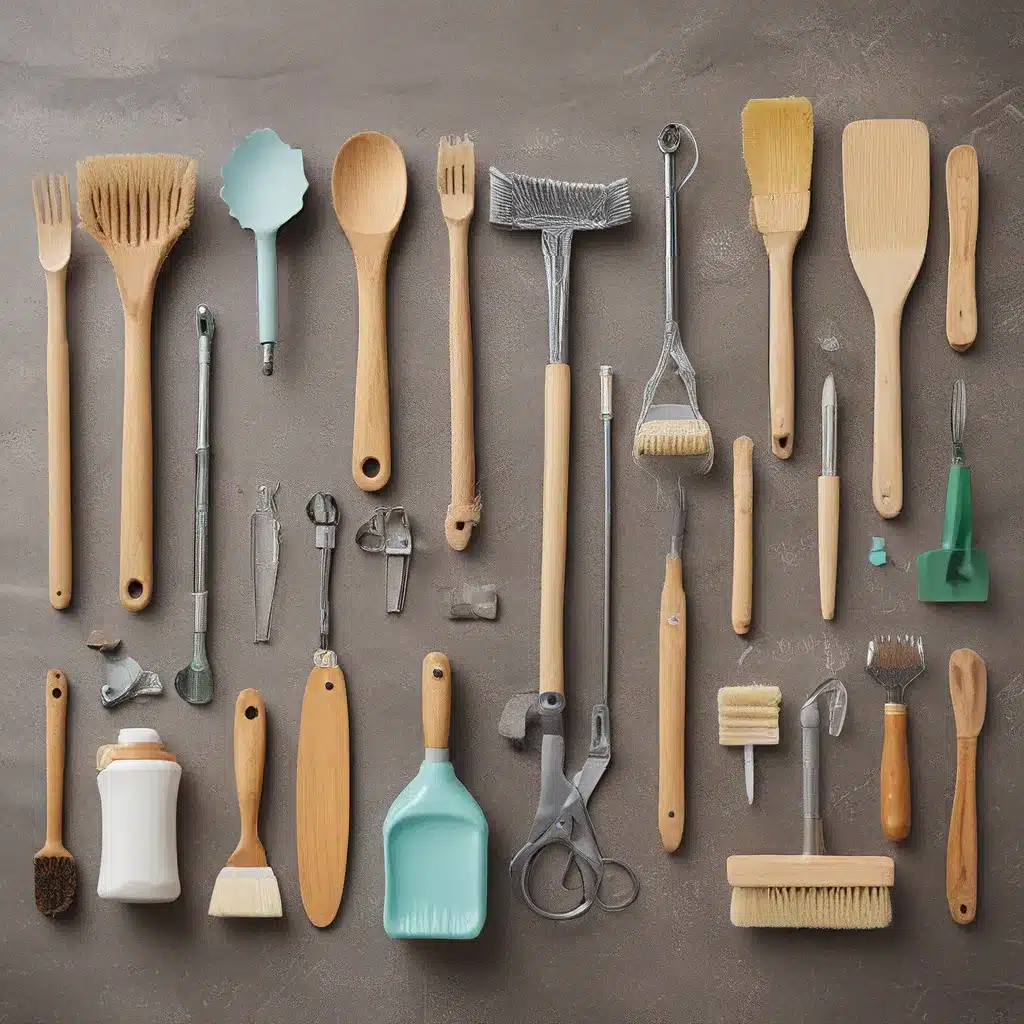
Before getting started, gather the proper cleaning supplies:
- Microfiber cloths
- Soft brush or toothbrush
- Gentle wood cleaner or mild soap and water
- Small container for water
- Clean rags
- Furniture polish
- Toothpicks or soft scrub brush for crevices
- Optional: Tack cloth, painters tape
Having the right tools makes the cleaning process easier and protects the wood finish. Avoid using harsh cleaners or abrasive pads that could damage the surface.
Dust Surfaces
The first step is to dust all surfaces of the wood furniture using a microfiber cloth or tack cloth. This lifts away loose dirt and debris before cleaning. Be sure to:
- Gently dust tabletops, sides, legs, rungs, frames, shelves, and more
- Use vertical motions to avoid pushing dust into crevices
- Lift objects like lamps and decor to dust under and around them
Proper dusting removes dirt particles that could scratch wood during cleaning.
CreateCleaning Solution
For most wood pieces, a gentle homemade cleaner works well for removing grime without damaging the finish. I like to use:
- 2 cups warm water
- 1/4 cup mild dish soap or Castile soap
- 5 drops essential oil like lemon or lavender for scent
Mix the solution in a container. You can also dilute a small amount of wood cleaner according to package directions. Check for colorfastness on an inconspicuous spot first.
Clean Wood Surfaces
With your cleaning solution ready, it’s time to tackle all wood surfaces:
- Dip a soft cloth in the solution and wring out excess.
- Working in sections, gently wipe wood using with-the-grain motions.
- Rinse the cloth frequently to remove buildup.
- Dry surfaces with a clean cloth as you work to prevent streaks.
- Use a soft brush for textured areas like grooves and carvings.
Take your time on intricately detailed furniture. Change cloths often for best results.
Spot Clean Stubborn Areas
For sticky spots or built-up dirt, use targeted spot cleaning:
- Make a paste of baking soda and water. The mild abrasion helps lift grime.
- Dip a soft brush or toothbrush in the paste and gently scrub affected areas using light pressure.
- Wipe clean with a damp cloth and dry.
You can also spot clean with undiluted wood cleaner or mild soap on a damp rag. Immediately dry to avoid damage.
Clean Crevices and Joints
Use a toothpick, soft brush, or microfiber cloth to thoroughly clean:
- Crevices where chair and table legs join the frame
- Gaps between boards, panels, shelves, and drawers
- Tight spaces under handles and knobs
- Intricate wood carvings and turnings
Blast crevices with compressed air to clear out debris. Take care with valuable antique pieces.
Polish and Protect
Once fully cleaned, apply a protective layer of furniture polish:
- Use a microfiber cloth and apply polish in thin, even coats.
- Buff gently until fully absorbed without excess buildup.
- Pay close attention to crevices, carvings, and turnings to prevent future buildup.
Avoid oil-based polishes which can damage some finishes. Use wax on unsealed raw wood.
Maintain Beauty
Regular, thorough cleanings keep wood looking beautiful over time. In addition to deep cleanings, maintain wood furniture by:
- Dusting weekly using microfiber cloths.
- Quick-cleaning surfaces with mild soap and water monthly.
- Re-applying furniture polish every 2-3 months.
- Cleaning spills promptly to avoid stains.
With proper care, your wood furniture can last for generations! Let me know if you have any other cleaning tips and tricks.