Why Decluttering Small Spaces Matters
As someone who has spent countless hours decluttering and organizing my own small living spaces, I can attest to the profound impact it can have on your mental and physical well-being. Clutter can be a relentless source of stress and anxiety, sapping your energy and making it challenging to focus on the things that truly matter.
But the benefits of decluttering go far beyond just aesthetics. By creating a more organized and streamlined environment, you can free up valuable mental and physical space, allowing you to be more productive, creative, and content in your daily life. Think about it – when your surroundings are tidy and in order, it becomes easier to find what you need, plan your day, and simply enjoy the comforts of your home.
Moreover, decluttering can have a positive ripple effect on your overall lifestyle. A decluttered space can inspire you to make healthier choices, from cooking more nourishing meals to engaging in relaxing hobbies. It can also foster a greater sense of mindfulness and appreciation for the things you truly value.
So, as we approach the spring season, I believe there’s no better time to tackle those small spaces that have been taunting you all winter long. With a little bit of effort and the right strategies, you can transform your home into a sanctuary that nourishes and empowers you. Let’s dive in and explore the art of decluttering small spaces, shall we?
Assess Your Clutter Mindset
Before we can dive into the practical steps of decluttering, it’s essential to take a step back and examine your relationship with clutter. After all, the way we perceive and approach the process of decluttering can have a significant impact on our success.
Do you find yourself feeling overwhelmed at the mere thought of decluttering? Do you often find yourself holding onto items out of a sense of sentimental attachment or fear of needing them in the future? These types of mindsets can be major roadblocks to effective decluttering.
On the other hand, if you approach decluttering with a sense of curiosity, openness, and a willingness to let go, you’re much more likely to experience the transformative benefits. Think of it as an opportunity to curate your living space, surrounding yourself with only the things that truly bring you joy and serve a purpose.
By taking the time to reflect on your clutter mindset, you can begin to shift your perspective and cultivate a more empowered and intentional approach to decluttering. This self-awareness will be critical as you dive into the practical steps of tackling your small spaces.
Prioritize and Tackle One Space at a Time
One of the biggest mistakes people make when it comes to decluttering is trying to tackle too much at once. It’s easy to feel overwhelmed by the sheer volume of stuff accumulated in our small living spaces, but the key is to approach the process methodically and with a laser-sharp focus.
Instead of attempting to declutter your entire home in one fell swoop, I recommend starting with a single, well-defined space. This could be a specific room, a closet, or even a specific drawer or cabinet. By focusing on one manageable area at a time, you can avoid feeling bogged down by the enormity of the task and experience a greater sense of accomplishment with each completed project.
As you work through each space, be sure to set clear intentions and goals. What do you hope to achieve in this particular area? What types of items do you want to remove or keep? Having a clear vision will help you stay on track and make more informed decisions as you sort through your belongings.
Remember, decluttering is not a one-and-done task. It’s an ongoing process that requires patience, persistence, and a willingness to revisit and refine your organizational systems. By tackling one small space at a time, you can make steady progress and gradually transform your entire living environment.
Adopt a Minimalist Mindset
At the heart of effective decluttering lies a minimalist mindset – the idea of intentionally curating your possessions and living with only the things that truly serve you. This approach can be particularly transformative for those of us living in small spaces, where every inch of real estate counts.
Adopting a minimalist mindset means asking yourself a series of critical questions as you sort through your belongings: “Do I love this item?”, “Does it serve a clear purpose in my life?”, “Does it bring me joy and enhance my daily experience?” If the answer to any of these questions is no, then it’s time to let go.
This process of selective retention can be challenging, especially if you’re someone who tends to hold onto things for sentimental reasons or out of a fear of needing them in the future. But by embracing a minimalist mindset, you can learn to let go of the unnecessary and focus on surrounding yourself with only the most meaningful and essential possessions.
The benefits of a minimalist approach are numerous. Not only does it create a more visually appealing and harmonious living space, but it can also lead to improved mental clarity, increased productivity, and a greater sense of freedom and control over your environment.
So, as you embark on your decluttering journey, I encourage you to cultivate a minimalist mindset. Challenge yourself to let go of the things that no longer serve you, and instead, surround yourself with only the possessions that truly enrich your life.
Utilize Vertical Space and Multipurpose Furniture
One of the key challenges of decluttering small spaces is finding creative ways to maximize the available storage and living area. This is where the strategic use of vertical space and multipurpose furniture can be a game-changer.
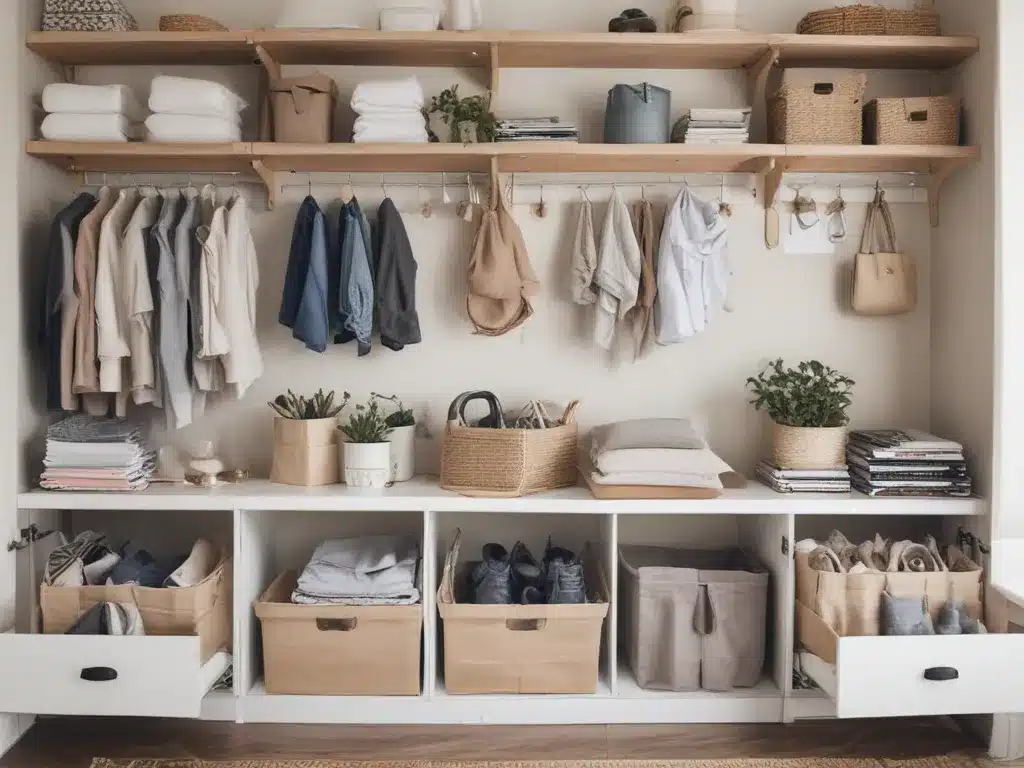
Vertical space is often an underutilized resource in small homes and apartments. By installing shelving units, wall-mounted storage solutions, and even leveraging the space above doorways and cabinets, you can free up valuable floor space and create a more organized, streamlined environment.
When it comes to furniture, look for pieces that serve multiple functions. For example, a coffee table with built-in storage, a bed with drawers underneath, or a ottoman that doubles as a storage unit. These types of multipurpose pieces can help you maximize the functionality of your small space without sacrificing valuable real estate.
Moreover, by utilizing vertical space and multipurpose furniture, you can create a more visually appealing and cohesive aesthetic. The strategic placement of storage solutions and dual-purpose furniture can help to create a sense of purposeful design, making your small space feel intentional and well-thought-out.
As you embark on your decluttering journey, I encourage you to think creatively about how you can leverage these spatial optimization techniques. By utilizing every inch of your small space, you can create a more organized, efficient, and visually harmonious living environment.
Embrace the Power of Categorization and Zoning
Effective decluttering is not just about removing excess items – it’s also about creating a well-organized system that makes it easy to maintain your tidy spaces. This is where the power of categorization and zoning comes into play.
By carefully categorizing your belongings, you can create a logical and intuitive organizational system that simplifies your daily life. Group similar items together, whether it’s by room, function, or even frequency of use. This not only makes it easier to find what you need, but it also helps to prevent the dreaded “junk drawer” syndrome.
Zoning is another powerful technique for decluttering small spaces. This involves designating specific areas or “zones” for different activities or types of items. For example, you might have a “work zone” for your home office supplies, a “relaxation zone” for your cozy reading nook, and a “food prep zone” in your kitchen.
By establishing these designated zones, you can create a more intentional and streamlined living environment. It also helps to prevent the clutter from creeping back in, as you’ll have a clear sense of where each item belongs.
Remember, the key to effective categorization and zoning is to tailor the system to your unique needs and preferences. What works for one person may not work for another, so be open to experimenting and refining your approach until you find a system that truly resonates with you.
Implement Sustainable Storage Solutions
As you work through the process of decluttering your small spaces, it’s crucial to consider the long-term sustainability of your storage solutions. After all, what’s the point of putting in all that hard work if the clutter is just going to come back?
One of the most effective ways to maintain an organized and decluttered space is to invest in high-quality, multipurpose storage solutions. Look for items like clear plastic bins, wire mesh baskets, and modular shelving units that not only help to contain your belongings but also make it easy to see and access them.
Another important aspect of sustainable storage is ensuring that your systems are scalable and adaptable. As your needs and possessions change over time, your storage solutions should be able to evolve and accommodate those changes. This might mean incorporating adjustable shelves, stackable containers, or even mobile storage units that can be easily rearranged.
Additionally, consider the environmental impact of your storage choices. Look for eco-friendly materials, such as bamboo or recycled plastic, and avoid single-use or disposable storage items that can contribute to waste. By making sustainable choices, you can not only maintain a clutter-free space but also feel good about the impact you’re having on the planet.
Remember, the key to sustainable storage is finding a balance between functionality, longevity, and environmental responsibility. By putting in the effort upfront, you can create a decluttered small space that stays organized and beautiful for years to come.
Develop Maintenance Habits and Routines
Decluttering is not a one-time event – it’s an ongoing process that requires dedication and consistent effort. To ensure that your small spaces remain clutter-free, it’s essential to develop maintenance habits and routines that become second nature.
One of the most crucial maintenance habits is to practice regular “decluttering sweeps.” This might involve setting aside a few minutes each day to tidy up, or dedicating a specific day or weekend per month to a more thorough decluttering session. By making this a consistent part of your routine, you can prevent the gradual buildup of clutter and maintain a sense of control over your living environment.
Another important maintenance habit is to establish a “one-in, one-out” rule for your possessions. Whenever you bring a new item into your home, make a conscious effort to remove an existing item that no longer serves you. This simple practice can help you keep your small spaces from becoming overwhelmed with unnecessary belongings.
Furthermore, consider incorporating decluttering and organization into your daily or weekly cleaning routines. As you tidy up, take a few moments to evaluate the state of your spaces and identify any areas that could use a little extra attention. This proactive approach can help you stay on top of the clutter and prevent it from becoming a daunting task.
Remember, maintenance is all about developing habits and routines that work for your unique lifestyle and needs. Experiment with different strategies until you find a system that feels sustainable and empowering. With a little bit of consistency and dedication, you can ensure that your small spaces remain organized and clutter-free for the long haul.
Celebrate Your Progress and Enjoy the Benefits
As you work through the process of decluttering your small spaces, it’s important to take the time to celebrate your progress and appreciate the benefits that come with a more organized and streamlined living environment.
Each time you complete a decluttering project, whether it’s a single drawer or an entire room, take a moment to step back and admire your handiwork. Acknowledge the sense of accomplishment and the weight that has been lifted from your shoulders. This positive reinforcement can help you stay motivated and inspired to continue your decluttering journey.
Moreover, as you declutter and create more order in your small spaces, I encourage you to mindfully notice the ways in which your daily life is enhanced. Perhaps you find it easier to focus on your work or hobbies without the constant visual distraction of clutter. Maybe you experience a greater sense of calm and relaxation in your living spaces. Or perhaps you simply have more physical and mental space to engage in the activities and relationships that truly matter to you.
Embrace these positive changes and allow yourself to fully enjoy the benefits of a decluttered small space. Share your progress with friends and loved ones, and don’t be afraid to seek out their support and encouragement along the way. Remember, decluttering is not just about the end result – it’s about the transformative journey itself.
By celebrating your progress and reveling in the benefits, you can maintain the momentum and continue to cultivate a living environment that nourishes and empowers you. So, take a moment to pat yourself on the back, and then get ready to tackle the next decluttering challenge!
Conclusion: Embrace the Journey of Decluttering
In conclusion, the journey of decluttering small spaces is not just about creating a visually appealing and organized living environment. It’s about cultivating a mindset of intentionality, minimalism, and self-care – one that can have a profound and lasting impact on your overall well-being.
As you embark on this journey, I encourage you to embrace the process with a sense of curiosity, openness, and a willingness to let go. Assess your relationship with clutter, prioritize and tackle one space at a time, and adopt a minimalist mindset that empowers you to surround yourself with only the most essential and meaningful possessions.
Utilize vertical space and multipurpose furniture to maximize the functionality of your small spaces, and leverage the power of categorization and zoning to create a logical and intuitive organizational system. Invest in sustainable storage solutions that can evolve with your needs, and develop maintenance habits and routines that keep your spaces clutter-free in the long run.
Most importantly, remember to celebrate your progress and savor the benefits of a decluttered small space. Embrace the sense of calm, focus, and freedom that comes with living in a harmonious and intentional environment. Allow these positive changes to inspire you and propel you forward on your ongoing journey of personal growth and fulfillment.
So, my friend, are you ready to embark on this transformative adventure? I believe in you, and I know that with the right mindset and strategies, you can create the small space of your dreams. Let’s get started!