The Surprising Roots of Household Hygiene
As I sit here, gazing out the window of my cozy Nottingham flat, I can’t help but wonder about the rich history that lies behind the humble act of cleaning. It’s a task we often take for granted, relegating it to the realm of mundane chores. But delve a little deeper, and you’ll uncover a world of folklore, superstition, and cultural significance that adds a whole new dimension to the way we approach household hygiene.
Let’s start with the origins of cleaning itself. Did you know that the earliest recorded cleaning practices date back thousands of years, to the ancient civilizations of Mesopotamia and Egypt? These early pioneers weren’t just scrubbing floors and dusting shelves – they were engaging in ritualistic cleansing ceremonies, using specific herbs and oils to purify both their bodies and their living spaces. The concept of “cleanliness being next to godliness” has its roots in these ancient beliefs, where cleanliness was seen as a direct reflection of one’s spiritual purity.
But the story doesn’t end there. As cultures evolved and spread across the globe, cleaning rituals took on new forms and meanings. In medieval Europe, for instance, the advent of the “witch hunt” led to a surge of superstition and fear surrounding household cleanliness. Women who were deemed too fastidious in their cleaning practices were often accused of being witches, their attention to detail seen as a sign of dark, occult forces at work. Imagine the poor housewife, scrubbing her floors with a fervent intensity, only to be dragged from her home and condemned as a practitioner of black magic!
Thankfully, we’ve come a long way since those dark days. But even in our modern, scientific age, the folklore and symbolism of cleaning persists. Take the age-old tradition of “spring cleaning,” for example. The act of thoroughly scrubbing and decluttering our homes as the seasons change has its roots in ancient beliefs about the importance of casting out the old and welcoming the new. It’s a ritual that transcends time and culture, a way of ushering in a fresh start and a sense of renewed vitality.
And let’s not forget the psychological and emotional benefits of cleaning. Studies have shown that the act of tidying and organizing our living spaces can have a profound impact on our mental well-being, reducing stress and anxiety, and even boosting our creativity and productivity. It’s as if, by restoring order to our physical environments, we’re also restoring a sense of control and clarity to our inner lives.
So, the next time you’re elbow-deep in soapy water, scrubbing away at stubborn stains, take a moment to reflect on the rich history and cultural significance that lies behind your actions. Cleaning isn’t just a functional chore – it’s a deeply human endeavor, infused with meaning, symbolism, and the very essence of what it means to be alive.
The Magical Allure of Cleaning Rituals
As I delve deeper into the world of cleaning folklore, I can’t help but be captivated by the sheer diversity and complexity of the rituals and practices that have evolved over time. From ancient purification ceremonies to modern-day “cleansing” techniques, the act of cleaning has long been imbued with a sense of the mystical and the supernatural.
Take, for instance, the age-old tradition of “smudging,” a practice often associated with Native American and Indigenous cultures. The burning of sage or other aromatic herbs is believed to have the power to cleanse and purify the energy of a space, driving out negative influences and restoring balance. The smoke is said to literally “sweep away” unwanted energies, leaving behind a sense of lightness and renewal.
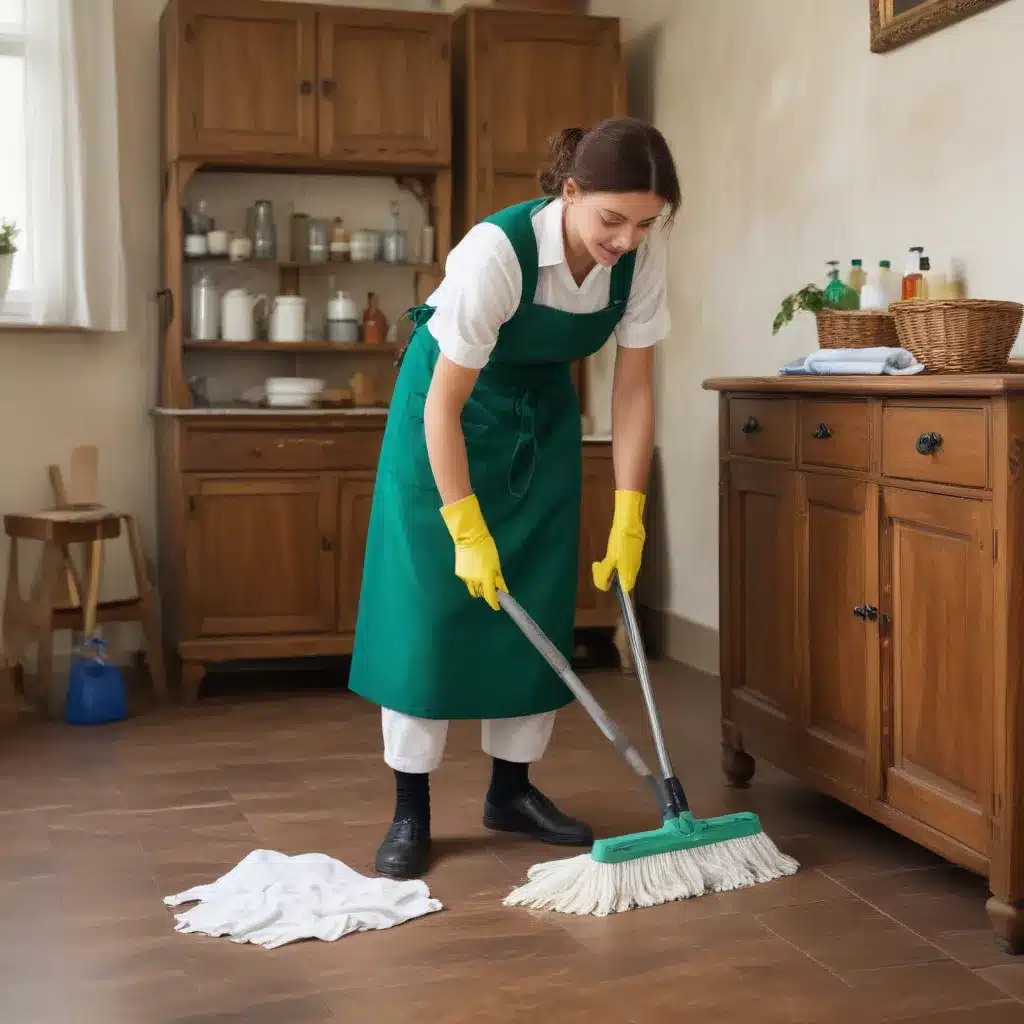
But smudging is just the tip of the iceberg when it comes to the magical side of cleaning. In many cultures, specific cleaning tools and materials have been imbued with symbolic significance, from the use of salt to ward off evil spirits to the inclusion of protective herbs and oils in cleaning solutions. Even the act of sweeping or mopping can take on a ritualistic quality, with certain patterns or directions believed to carry specific meanings or powers.
And let’s not forget the role of superstition in shaping our cleaning practices. In some traditions, it’s believed that leaving dirty dishes or unfinished chores overnight can invite bad luck or even the presence of malevolent entities. The idea of “cleanliness as a virtue” has deep psychological and spiritual roots, with the act of cleaning serving as a means of maintaining control over our environments and warding off perceived threats.
Of course, as a modern, rational individual, I can’t help but approach these beliefs with a healthy dose of skepticism. After all, we live in an age of scientific progress, where the mysteries of the universe are slowly being unraveled through empirical investigation. And yet, there’s something undeniably captivating about the idea of cleaning as a form of magic – a way of harnessing the unseen forces of the world to create order, harmony, and a sense of personal empowerment.
Perhaps it’s because, in a world that can often feel chaotic and overwhelming, the simple act of cleaning offers us a tangible way to exert control and restore a sense of balance. By engaging in these rituals, we’re not just tidying our homes – we’re also tending to our inner lives, aligning ourselves with the rhythms and energies of the natural world.
So, the next time you reach for the mop or the dustpan, I encourage you to pause and reflect on the rich tapestry of history and folklore that lies behind your actions. Who knows – you might just uncover a hidden well of meaning and magic that can transform the way you approach the humble task of cleaning.
The Science of Spotlessness: Cleaning for Health and Hygiene
As fascinating as the folklore and superstition surrounding cleaning may be, it’s important to remember that there’s a very real, practical dimension to the act of keeping our living spaces clean and hygienic. After all, the origins of modern cleaning practices can be traced back to the dawn of human civilization, where the need to maintain basic standards of sanitation and disease prevention was a matter of life and death.
In fact, the history of public health is inextricably linked to the evolution of cleaning technologies and techniques. From the development of soap and disinfectants to the introduction of modern plumbing and ventilation systems, the drive to create and maintain clean, healthy environments has been a driving force in the progress of human society.
And the science behind it is equally compelling. Studies have shown that regular cleaning and disinfection can significantly reduce the presence of harmful bacteria, viruses, and other microorganisms that can pose serious threats to our health. By removing dirt, grease, and other contaminants, we’re not just making our homes look and smell better – we’re also creating a safer, more hygienic environment that can help prevent the spread of illness and disease.
But the benefits of cleaning go beyond just physical health. Numerous studies have also demonstrated the positive impact that a clean, organized living space can have on our mental well-being. The act of tidying and decluttering can help alleviate feelings of stress and anxiety, while the sense of control and accomplishment that comes with a sparkling-clean home can boost our mood and overall sense of well-being.
And let’s not forget the practical advantages of keeping our living and working spaces in tip-top shape. A clean, well-maintained environment can enhance productivity, increase focus and concentration, and even improve our cognitive function. It’s no wonder that many successful companies and high-performing individuals prioritize cleanliness as a key factor in their overall success.
Of course, the specific cleaning practices and products we use can also have a significant impact on our health and the environment. As we become more conscious of the ecological consequences of our actions, the demand for eco-friendly, sustainable cleaning solutions has grown. From natural, plant-based cleaners to microfiber cloths that reduce the need for single-use paper towels, there’s a wealth of innovative, earth-friendly options available to help us maintain a clean, healthy home without compromising our values.
So, the next time you find yourself elbow-deep in suds and sponges, take a moment to appreciate the rich history and scientific foundations that underpin the act of cleaning. It’s not just about making things look and smell nice – it’s about safeguarding our physical and mental well-being, and playing a crucial role in the ongoing quest for a healthier, more sustainable future.
The Art of Cleaning: Embracing Efficiency and Creativity
As I’ve delved deeper into the world of cleaning, I’ve been struck by the sheer diversity of approaches and techniques that have evolved over time. It’s not just about scrubbing floors and dusting shelves – it’s an art form in its own right, requiring a unique blend of efficiency, creativity, and even a touch of personal flair.
Take, for instance, the concept of “cleaning hacks” – those ingenious little tricks and shortcuts that can save us time, effort, and money. From using baking soda and vinegar to tackle tough stains to repurposing old toothbrushes as grout scrubbers, these clever solutions showcase the kind of problem-solving mindset that can elevate the humble task of cleaning into something truly remarkable.
But it’s not just about practical efficiency. There’s also a deeply creative aspect to the way we approach cleaning, as we strive to find new and innovative ways to make our living spaces shine. From color-coded organization systems to personalized cleaning schedules, the process of keeping our homes clean can be a canvas for self-expression and artistic flair.
And let’s not forget the role that technology has played in shaping the art of cleaning. The rise of smart home devices, robotic vacuums, and specialized cleaning tools has revolutionized the way we approach household maintenance, allowing us to automate and streamline tasks in ways that would have been unimaginable just a few decades ago.
But perhaps the most fascinating aspect of the art of cleaning is the way it can be tailored to individual preferences and personal styles. After all, what works for one person might not be the best fit for another, and the process of finding the right cleaning routine can be a deeply personal journey of trial and error.
Take, for example, the rise of the “cleaning influencer” – individuals who have managed to turn their cleaning prowess into a veritable art form, sharing their tips, tricks, and techniques with legions of devoted followers. These cleaning gurus don’t just tidy up – they create visually stunning before-and-after shots, curate personalized cleaning kits, and even weave in elements of self-care and mindfulness to elevate the act of cleaning into something truly extraordinary.
And who’s to say that your own cleaning routine can’t be just as unique and personalized? Whether it’s the way you fold your laundry, the specific products you use, or the music you play while you scrub, there’s an opportunity to infuse your own personality and creativity into the process.
So, the next time you find yourself facing a daunting cleaning task, I encourage you to embrace the artistry and innovation that can come with it. Experiment with new techniques, seek out inspiring examples, and above all, have fun with the process. After all, the true magic of cleaning lies not just in the end result, but in the journey itself.
Cleaning as a Path to Mindfulness and Self-Care
As I’ve delved deeper into the world of cleaning, I’ve come to realize that it’s not just about maintaining a tidy, hygienic environment – it’s also a powerful tool for cultivating mindfulness, self-care, and overall well-being.
Think about it – when we’re caught up in the whirlwind of our daily lives, it can be all too easy to feel overwhelmed, stressed, and disconnected from the present moment. But the act of cleaning, with its rhythmic motions and focus on the immediate task at hand, can be a surprisingly effective way to ground ourselves and find a sense of calm amidst the chaos.
It’s no accident that many mindfulness and meditation practitioners have long incorporated cleaning rituals into their practices. The repetitive, meditative nature of tasks like sweeping, mopping, or even folding laundry can help us to quiet the chatter of our busy minds and tune into the sensations of the present. It’s a way of actively engaging with our surroundings, rather than passively rushing through our to-do lists.
And the benefits of this mindful approach to cleaning go beyond just stress reduction. Studies have shown that the act of tidying and organizing our living spaces can have a profound impact on our mental and emotional well-being, helping to alleviate feelings of anxiety, depression, and even ADHD.
Perhaps it’s because, in a world that can often feel chaotic and out of our control, the simple act of restoring order to our physical environments can provide a sense of mastery and empowerment. By taking charge of our cleaning routines, we’re not just making our homes look and feel better – we’re also sending a powerful message to ourselves that we have the ability to create positive change in our lives.
But the self-care benefits of cleaning don’t stop there. Many cleaning experts and wellness advocates have also championed the idea of incorporating pampering elements into our cleaning rituals, whether it’s using luxurious, natural cleaning products or setting aside dedicated “me time” to savor the process.
Imagine, for a moment, starting your day with a mindful cleaning session – perhaps lighting a soothing, aromatherapeutic candle, playing calming music, and taking the time to really focus on the tactile experience of scrubbing, wiping, and polishing. It’s a way of turning a seemingly mundane chore into a nourishing, restorative act of self-care, one that can set the tone for the rest of your day.
Of course, the key is finding the right balance – cleaning shouldn’t become an obsession or a source of anxiety in and of itself. But when approached with intention, mindfulness, and a touch of personal flair, the act of keeping our living spaces clean and tidy can be a powerful tool for enhancing our overall well-being, both physically and mentally.
So, the next time you find yourself facing a cleaning task, I encourage you to approach it with a sense of curiosity, creativity, and self-compassion. Who knows – you might just discover a whole new dimension of meaning and fulfillment in the humble act of keeping your home in order.
Conclusion: Cleaning as a Lifelong Journey of Discovery
As I reflect on the rich tapestry of folklore, science, and personal expression that makes up the world of cleaning, I can’t help but feel a deep sense of awe and appreciation for the sheer complexity and significance of this seemingly mundane task.
From the ancient rituals of purification to the modern-day quest for health, hygiene, and mindfulness, the act of cleaning has been woven into the very fabric of human civilization, serving as a testament to our ingenuity, our resilience, and our never-ending drive to create order and harmony in our lives.
And the story is far from over. As we continue to evolve and adapt to the changing demands of the modern world, I have no doubt that the art and science of cleaning will continue to evolve and surprise us. Perhaps we’ll see the rise of even more innovative cleaning technologies, or the emergence of new cultural traditions and spiritual practices that imbue the act of tidying with even deeper layers of meaning.
But regardless of what the future holds, one thing is certain: the journey of discovery that comes with cleaning will never truly end. There will always be new techniques to master, new products to experiment with, and new ways of approaching the task that can bring us closer to a sense of balance, well-being, and personal fulfillment.
So, as I conclude this exploration of the folklore and function of cleaning, I find myself filled with a renewed sense of appreciation and curiosity. The next time I reach for the mop or the duster, I’ll be mindful of the rich history and cultural significance that lies behind my actions, and I’ll strive to approach the task with the same level of creativity, mindfulness, and personal expression that I’ve come to admire in the countless cleaning enthusiasts and experts who have come before me.
After all, cleaning isn’t just a chore – it’s a lifelong journey of discovery, a way of engaging with the world around us, and a means of cultivating a deeper sense of connection, both within ourselves and with the wider community. And that, to me, is the true magic of keeping our homes and our lives in order.