A Global Odyssey of Dust and Domesticity
I’ve always been fascinated by the diverse ways in which cultures around the world approach the humble task of keeping their homes tidy and clean. As someone who takes great pride in the work of Adam Cleaning, a Nottingham-based cleaning company, I’ve spent countless hours poring over historical accounts, ethnographic studies, and first-hand accounts to uncover the rich tapestry of home cleaning traditions that span the globe.
Embarking on this journey, I must admit that I was struck by the sheer variety of approaches and philosophies that different societies have developed when it comes to the art of maintaining a spotless abode. From the meticulous, almost ritualistic cleansing practices of ancient Japan to the communal, festive cleaning rituals of rural India, the ways in which humans have grappled with the universal challenge of domestic upkeep are as diverse as the cultures themselves.
Sweeping Across the Centuries: The Evolution of Cleaning Tools and Techniques
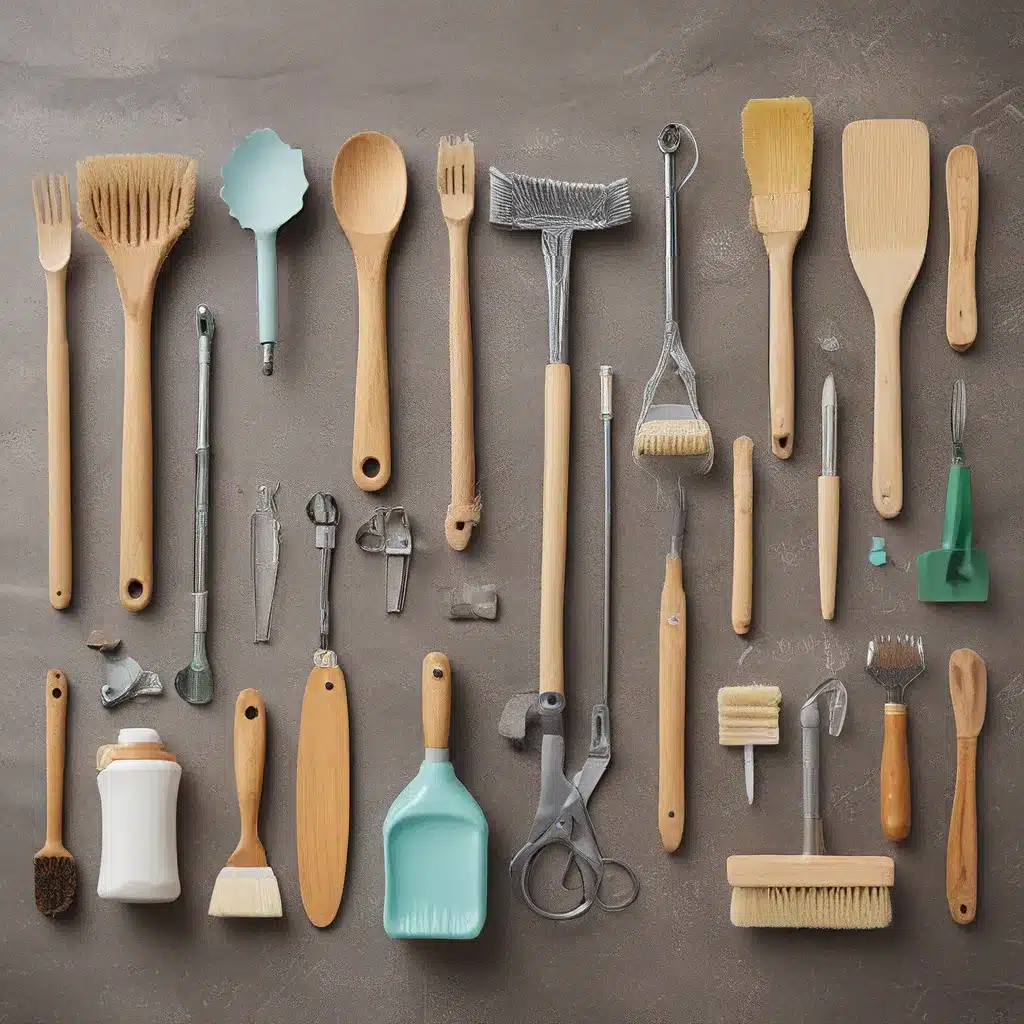
One of the first things that became apparent to me as I delved into this topic was the remarkable ingenuity and adaptability that humans have displayed in crafting tools and techniques to tackle the never-ending task of cleaning. Consider, for instance, the humble broom – an implement so ubiquitous that we often take it for granted.
Yet, the broom’s history is a fascinating one, with distinct regional variations that reflect the unique environmental and cultural factors that have shaped its development. Did you know that in parts of rural Africa, the traditional broom is crafted from a bundle of long, supple twigs, carefully bound together with intricate weaving patterns? These brooms not only serve a practical purpose but also carry deep symbolic meaning, often associated with ancestral traditions and the cyclical rhythms of nature.
Contrast this with the sleek, ergonomic push brooms favored in many modern urban settings, designed to maximize efficiency and minimize physical strain. It’s a testament to humanity’s ability to continuously reinvent and refine the tools of our trade, always striving to make the act of cleaning a little bit easier and more effective.
The Ritual of Cleaning: From Spiritual Cleansing to Domestic Harmony
But the story of home cleaning goes far beyond the mere mechanics of tool usage. In fact, many cultures have imbued the act of cleaning with deep spiritual and cultural significance, transforming it into a ritual that transcends the purely practical.
Take, for instance, the centuries-old tradition of Shinto purification rituals in Japan, where the meticulous cleansing of one’s living space is seen as a means of attaining inner harmony and connection with the divine. The careful sweeping of floors, the reverential wiping of surfaces, and the precise arrangement of household items all serve to create a sense of order and balance, not just in the physical realm but in the metaphysical as well.
It’s a belief system that has had a profound impact on the Japanese aesthetic, giving rise to the minimalist, zen-inspired design sensibilities that have captivated the world. And it’s not just the Japanese – many other cultures, from indigenous communities in the Amazon to traditional households in rural India, have woven cleaning rituals into the very fabric of their spiritual and social fabric.
The Gendered Dynamics of Domestic Labor
As I delved deeper into the world of home cleaning traditions, I couldn’t help but notice the pervasive and often deeply ingrained gendered dynamics that have shaped this domain. Across cultures, the task of maintaining a clean and orderly household has historically fallen disproportionately on the shoulders of women, a reflection of the patriarchal structures that have long dominated much of human society.
In many parts of the world, the role of the homemaker and the primary caretaker of domestic spaces has been seen as a quintessentially feminine responsibility, with women expected to meticulously uphold the standards of cleanliness and order that were deemed essential to the proper functioning of the household. This, in turn, has led to the development of highly specialized cleaning techniques, tools, and even social rituals that have been passed down through generations of women.
Yet, even as we’ve witnessed gradual shifts in the distribution of domestic labor in recent decades, the legacy of these gendered norms continues to linger, often in subtle and insidious ways. The expectations placed on women to maintain a spotless home, for instance, can be a source of immense pressure and stress, contributing to the ongoing challenges of work-life balance and gender equity.
Cleaning as Cultural Expression
As I delved deeper into the world of home cleaning traditions, I was struck by the ways in which these practices have become inextricably woven into the fabric of cultural identity and expression.
In many societies, the act of cleaning is not merely a utilitarian task but a means of asserting one’s cultural heritage and values. Consider, for example, the intricate floor patterns created by the “rangoli” designs of India, which are painstakingly crafted using colored powders and natural materials as part of the daily cleaning ritual. These ephemeral works of art not only serve to beautify the home but also act as a vibrant celebration of cultural identity, often incorporating intricate symbols and motifs that hold deep significance within the local community.
Similarly, the elaborate, multi-step cleaning routines practiced in traditional Korean households, with their emphasis on the precise arrangement of furniture and the reverential treatment of ancestral artifacts, reflect a deep-seated respect for hierarchy, order, and the preservation of cultural memory. These practices, passed down through generations, have become an integral part of the Korean cultural ethos, shaping the very way in which people conceptualize and experience the domestic sphere.
The Democratization of Cleaning: Technology, Globalization, and the Changing Landscape
As I delved deeper into my exploration of global cleaning traditions, I couldn’t help but wonder about the ways in which the modern world has impacted and transformed these age-old practices. The advent of new technologies, the rise of globalization, and the increasing diversity of urban centers have all played a role in reshaping the ways in which people approach the task of keeping their homes clean and orderly.
Consider, for instance, the proliferation of high-tech cleaning appliances and gadgets, from robotic vacuums to advanced steam cleaners. These innovations have not only made the physical act of cleaning more efficient and less labor-intensive but have also introduced new ways of conceptualizing and experiencing the domestic realm. Whereas traditional cleaning rituals often involved a deep, almost meditative engagement with the process, the rise of these tech-driven solutions has, in some cases, led to a more detached and streamlined approach to household maintenance.
At the same time, the increasing interconnectedness of the world has also facilitated the cross-pollination of cleaning traditions, as people from diverse cultural backgrounds come into contact and share their unique approaches to domestic upkeep. This has, in turn, led to the emergence of hybrid cleaning practices, where elements from different traditions are blended and adapted to suit the needs and preferences of modern, globalized households.
The Future of Cleaning: Sustainability, Minimalism, and the Search for Balance
As I reflect on the rich tapestry of home cleaning traditions that I’ve explored, I can’t help but wonder about the future of this age-old pursuit. In an era increasingly defined by concerns over environmental sustainability, the rise of minimalist design philosophies, and the ongoing quest for work-life balance, the ways in which we approach the task of keeping our homes clean and orderly are poised to undergo yet another transformation.
Perhaps we will see a renewed emphasis on the use of natural, biodegradable cleaning products, as people seek to minimize their environmental footprint. Or maybe the trend towards minimalist, decluttered living will inspire a re-evaluation of the very notion of “cleanliness,” leading to a more holistic understanding of domestic well-being that goes beyond the mere absence of dust and grime.
And who knows, maybe the lessons we’ve learned from the ritualistic cleaning practices of the past will inspire us to find new ways of imbuing the act of household maintenance with a sense of mindfulness, purpose, and even joy. After all, as I’ve come to appreciate through my research, cleaning is not just about the physical act of removing dirt and grime – it’s a profoundly human endeavor that has the power to shape our relationships, our values, and our very sense of self.
As the caretaker of a Nottingham-based cleaning company, Adam Cleaning, I’m excited to see how these evolving trends will play out in the years to come. One thing is certain: the story of home cleaning is far from over, and I can’t wait to see what new and fascinating chapters unfold as we continue to grapple with this universal challenge.