As a daycare worker, cleaning up bodily fluids is an inevitable part of the job. From vomit to feces to blood, children’s bodies expel all kinds of substances that require swift and thorough cleanup. While unpleasant, establishing a routine cleanup process helps maintain a sanitary environment and prevent the spread of illness and disease. In this article, I’ll provide an extensive guide to effectively cleaning up bodily fluids in a daycare setting.
Understanding Bodily Fluids in Daycare Settings
Children’s bodies produce various bodily fluids that daycare workers must regularly clean up. The most common fluids I deal with include:
Vomit
Vomit is extremely common, especially among infants and toddlers. Causes include illness, gag reflexes, coughing, and eating too quickly. Vomit carries a high risk of spreading viruses and bacteria. Thorough cleanup is crucial.
Feces
Diaper leaks and potty training accidents mean daycare workers handle feces daily. Feces can contain harmful pathogens that cause diseases like hepatitis. Proper hygiene prevents transmission.
Blood
Children often get minor injuries that produce blood. Cuts, scrapes, and nosebleeds occur frequently. While lower risk than vomit and feces, blood can still carry bloodborne diseases. Diligent cleanup is important.
Other Fluids
Children also expel mucus, saliva, urine, and other bodily fluids. These don’t always pose major health risks, but following good hygiene practices helps maintain a sanitary daycare.
Preparation: Equipment and Supplies
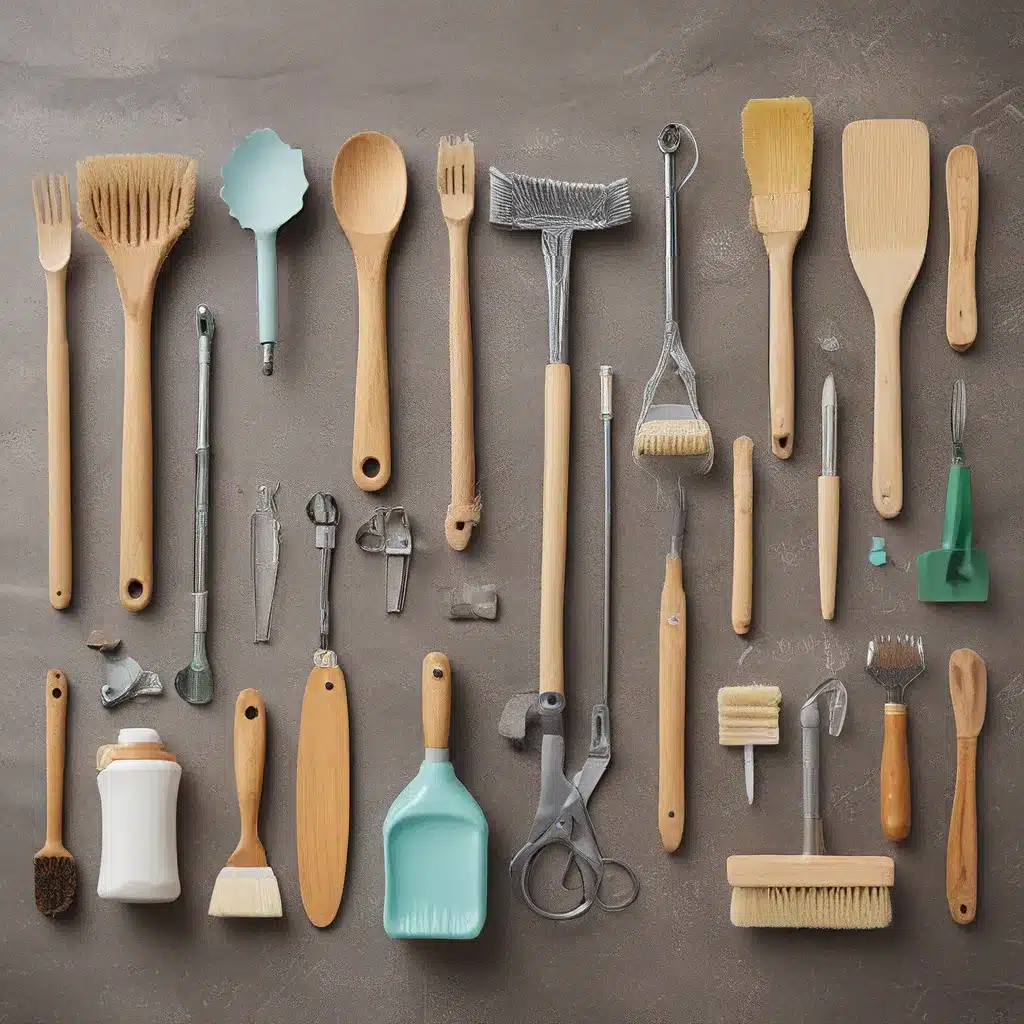
Cleaning bodily fluid spills requires having the right equipment and supplies on hand. Here are the key items I keep fully stocked for daycare cleanup:
Protective Gear
- Latex gloves – protect hands from exposure. Use non-latex for children with allergies.
- Face masks – prevent contact with droplets.
- Disposable gowns – keep clothing from getting soiled.
Disinfecting Solutions
- Bleach solution – Mix 1⁄4 cup bleach per 1 gallon of water. Kills viruses and bacteria.
- Disinfectant wipes – Convenient for quick cleanups. Check they kill norovirus and rhinovirus.
- Hand sanitizer – Contains at least 60% alcohol to kill germs on hands.
Equipment
- Paper towels – For wiping up fluids.
- Sealable plastic bags – For containing paper towels, gloves, etc.
- Bucket – For bleach solution.
- Mop – For cleaning floors.
- Trash bags – For waste disposal.
- Carpet cleaner – For extracting fluids from carpeting.
- Disposable slip-resistant shoe covers – For stepping in affected areas.
Supplies for Children
- Changes of clothes – For kids who need a new outfit.
- Diapers and training pants – For children who soil clothes.
- Comfort items – To soothe upset kids after incidents.
Stocking these supplies makes daycare cleanup fast and efficient.
Cleanup Procedures: Step-by-Step Process
When bodily fluid spills occur in daycare, follow these step-by-step procedures for safe, effective cleanup:
1. Contain the Area
Cordon off the immediate area to prevent tracking and spreading. Cover small spills with paper towels. For large spills, surround the entire area with disposable pads, towels, or other absorbent materials. Keep children well away from the spill.
2. Put on Protective Gear
Always wear disposable gloves, gowns, masks, and slip-resistant shoe covers during cleanup. This gear prevents contact with pathogens. Change gloves frequently to avoid cross-contamination.
3. Wipe Up Spills
For small spills, use paper towels to soak up excess fluid. Seal used towels in a plastic bag for disposal. For large spills, apply an absorbent powder like zenitherm to solidify liquid. Shovel up absorbent and any solid matter and seal in bags. Avoid vacuuming, which can spread germs.
4. Clean the Surface
Scrub the entire surface with detergent, then rinse. Wipe the area with bleach solution and allow 10 minutes of contact time to kill pathogens before a final rinse. Disinfect any toys, furniture or other items in the area.
5. Disinfect Tools
Cleaning tools like mops should also get disinfected with bleach solution after use. Rinse thoroughly.
6. Bag and Dispose of Waste
Place all soiled paper towels, gloves, masks and other waste in sealed plastic bags. Take to exterior trash immediately.
7. Wash Hands
Wash hands thoroughly with soap and warm water, scrubbing for at least 20 seconds. Use hand sanitizer as an additional precaution.
8. Change Clothes if Needed
Both children and staff should change clothes after bodily fluid exposure. Seal soiled clothing in bags for laundry or disposal.
9. Comfort the Child
Provide comfort, reassurance and a change of clothes to any child involved. Check them for any injuries or illness and contact parents if needed.
10. Ventilate Area
After cleanup, open windows and use fans to circulate fresh air. Odors can linger if area is not well-ventilated.
Following these steps removes bodily fluids safely and prevents spread of disease. Modify for cleanup of blood, vomit, feces and other fluids.
Special Considerations by Surface Material
Cleanup procedures vary slightly depending on the surface material where the bodily fluid spill occurred. Here are additional considerations for different materials:
Hard Surfaces (tile, sealed concrete, vinyl)
- Wipe up spill immediately to prevent staining and sticking
- Scrub with detergent before disinfecting
- Allow bleach solution full 10 minute contact time
Carpeting
- Blot spill gently to avoid pressing liquid down into carpet fibers
- Apply absorbent powder, let sit 5 minutes before vacuuming
- After vacuuming, shampoo with carpet cleaner and extract all moisture
- Consider replacing badly stained sections for sanitation
Upholstered Furniture
- Blot gently with paper towels
- Use carpet cleaner to shampoo and extract fluid from cushions
- Steam clean and sanitize frame and base
- Check furniture labels and use cleaners approved for that material
Wood Surfaces
- Wipe up spills immediately to avoid stains
- Clean with detergent and water only, no bleach, to prevent discoloration
- Sanitize with diluted hydrogen peroxide or rubbing alcohol solution
Clothing, Bedding and Stuffed Toys
- Rinse or soak in cold water to prevent stains setting
- Sanitize in washing machine with bleach or sanitizing cycles
- Line dry in sunlight which neutralizes bacteria
- Discard badly soiled items that can’t be fully disinfected
Adjusting methods for different materials leads to safe, effective daycare cleanup.
Avoiding Germ Spread and Recontamination
Some key ways to avoid spreading germs during and after bodily fluid cleanups include:
-
Hand washing – Scrub hands thoroughly with soap before returning to activities.
-
Separate mop heads – Use designated mops just for bodily fluid cleanup.
-
Sanitize cleaning tools – Disinfect all tools and buckets after use.
-
Contain and dispose waste – Seal soiled items in bags and remove from premises immediately.
-
Launder properly – Use hot water cycles and bleach to sanitize fabrics.
-
Dry thoroughly – Ensure all surfaces and fabrics dry fully before reusing area.
-
Ventilate spaces – Circulate fresh air to remove germ-containing droplets.
-
Follow up disinfection – Repeat cleaning processes in following days to catch any lingering germs.
Staying diligent after bodily fluid exposure is essential for health and safety.
Conclusion
While cleaning up bodily fluids like vomit, feces and blood may be unpleasant, establishing thorough cleanup procedures is a critical part of maintaining a sanitary daycare environment. Advance preparation with protective gear, disinfectants and cleaning tools enables swift, effective response when spills occur. Carefully containing, cleaning and disinfecting contaminated areas prevents illness transmission. Adjusting methods to suit different surfaces and properly containing waste prevents recontamination. With the right cleanup process, daycares can keep children healthy even when messy bodily fluid incidents happen. Consistent use of sanitary procedures makes daycares safer spaces where children can learn and grow.