
The Invisible Threat: Understanding Germs in Restrooms
I understand the growing concern about the spread of germs in public restrooms. As a professional in the cleaning industry, I’ve witnessed firsthand the invisible threats that lurk in these high-traffic areas. Germs, bacteria, and viruses can easily find their way onto surfaces, and the traditional touch-based fixtures and fittings can act as vectors, facilitating their transmission.
The potential health risks associated with restroom germs are well-documented. Studies have shown that bacteria, such as E. coli and Staphylococcus aureus, can be found on a significant number of restroom surfaces, including door handles, faucets, and flush handles. These pathogens can cause a range of illnesses, from mild skin infections to more serious conditions like urinary tract infections and gastrointestinal issues.
Moreover, the COVID-19 pandemic has heightened our awareness of the importance of proper hygiene and minimizing unnecessary contact with shared surfaces. The virus that causes COVID-19 can potentially linger on high-touch areas, making touchless technologies in restrooms a crucial line of defense against its spread.
Touchless Restroom Tech: Revolutionizing Hygiene
In response to these concerns, the cleaning industry has witnessed a surge in the development and adoption of touchless restroom technologies. These innovative solutions aim to reduce the risk of germ transmission by eliminating the need for direct contact with traditional fixtures and fittings.
One of the most prominent touchless restroom technologies is the motion-activated faucet. These faucets use sensors to detect the presence of hands and automatically dispense water, eliminating the need to touch a handle or knob. Not only does this prevent the spread of germs, but it also promotes more efficient water usage, as the water flow is controlled and turned off automatically.
Another touchless solution gaining traction is the hands-free soap dispenser. These dispensers use infrared sensors to detect when hands are placed underneath, automatically releasing the perfect amount of soap. This not only enhances hygiene but also reduces waste, as users no longer need to touch a pump or lever to access the soap.
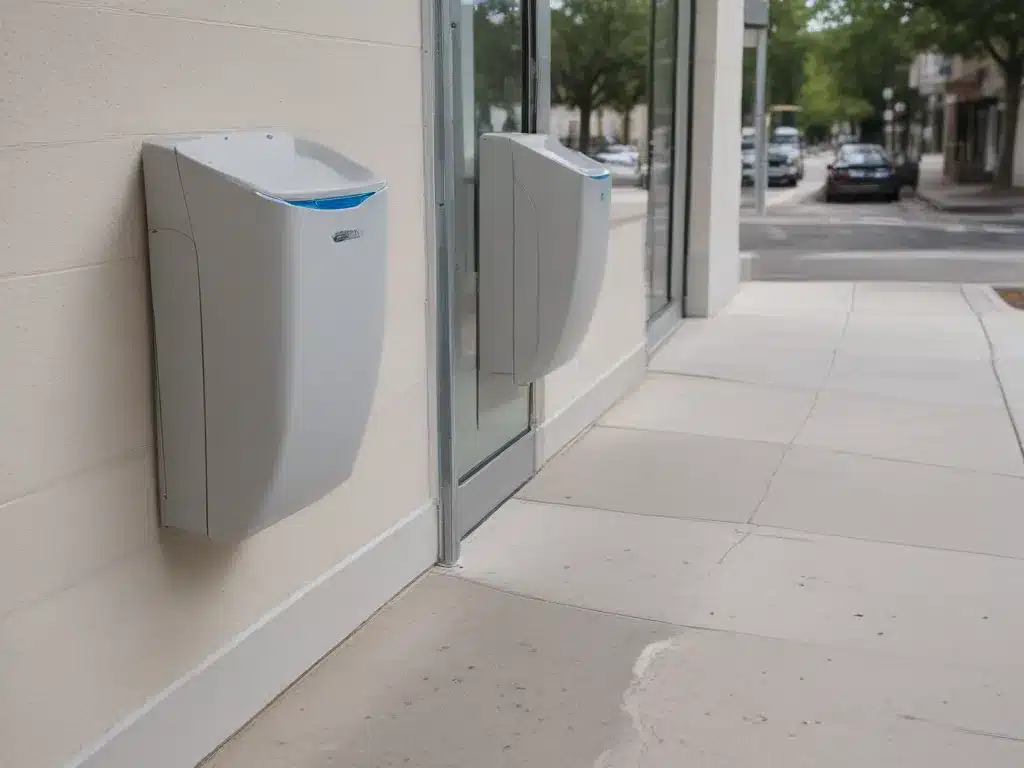
Touchless hand dryers are also becoming increasingly popular in modern restrooms. These innovative devices use motion sensors to detect the presence of hands and activate the air flow, drying hands without the need for physical contact. This not only helps to reduce the transmission of germs but also eliminates the need for paper towels, which can contribute to waste and environmental concerns.
The Benefits of Touchless Restroom Tech
The implementation of touchless restroom technologies offers a wide range of benefits that extend beyond just germ control. Let’s explore some of the key advantages:
Improved Hygiene and Sanitation
The primary benefit of touchless restroom tech is the enhanced hygiene and sanitation it provides. By eliminating the need for direct contact with surfaces, these technologies effectively reduce the risk of germ transmission and help create a cleaner, safer environment for users.
Increased Efficiency and Convenience
Touchless restroom technologies also contribute to improved efficiency and convenience. Motion-activated faucets, soap dispensers, and hand dryers streamline the handwashing process, allowing users to quickly and easily access the necessary resources without the hassle of manually operating fixtures.
Reduced Water and Energy Consumption
Many touchless technologies, such as motion-activated faucets, are designed to optimize water usage by automatically turning off the water flow when it’s not needed. This not only helps to conserve precious water resources but also contributes to lower utility costs and a more environmentally-friendly restroom.
Enhanced User Experience
The integration of touchless technologies in restrooms can significantly enhance the overall user experience. By providing a more hygienic and efficient environment, these solutions can help to create a more pleasant and comfortable experience for visitors, ultimately improving their perception of the facility.
Improved Maintenance and Cleanliness
Touchless restroom technologies can also streamline the maintenance and cleaning process. With fewer surfaces requiring manual contact, cleaning staff can focus on thoroughly disinfecting high-touch areas, ensuring a consistently clean and well-maintained restroom environment.
Implementing Touchless Restroom Tech: Considerations and Best Practices
When considering the implementation of touchless restroom technologies, it’s crucial to carefully evaluate the specific needs and requirements of your facility. Here are some key considerations and best practices to keep in mind:
Assess Your Facility’s Needs
Begin by analyzing the current state of your restrooms, including the level of foot traffic, the age and condition of existing fixtures, and any recurring hygiene or maintenance issues. This assessment will help you identify the areas that would benefit the most from touchless technologies.
Evaluate Compatibility and Integration
Ensure that the touchless solutions you choose are compatible with your facility’s existing infrastructure and can be seamlessly integrated into the overall restroom design. This includes considering factors such as power sources, water supply lines, and any necessary modifications to accommodate the new technologies.
Prioritize High-Traffic and High-Touch Areas
Focus on implementing touchless technologies in the most heavily used and high-touch areas of your restrooms, such as sinks, soap dispensers, and hand dryers. These are the areas where the risk of germ transmission is the highest, and where touchless solutions can have the most significant impact.
Consider Sustainability and Energy Efficiency
When selecting touchless restroom technologies, prioritize solutions that not only enhance hygiene but also contribute to sustainability and energy efficiency. Look for products that are designed to conserve water and reduce energy consumption, aligning with your facility’s environmental goals.
Invest in Proper Installation and Maintenance
Proper installation and ongoing maintenance are crucial for the long-term success of your touchless restroom technologies. Ensure that your facility’s maintenance staff is trained on the correct installation and troubleshooting procedures, and establish a regular maintenance schedule to keep the systems functioning optimally.
Foster User Awareness and Education
Educate your facility’s users on the benefits of touchless restroom technologies and how to properly utilize them. This can include signage, instructional guides, or even interactive demonstrations to help users understand the importance of these solutions and their role in maintaining a clean and hygienic environment.
Real-World Case Studies: Touchless Restroom Tech in Action
To better illustrate the real-world impact of touchless restroom technologies, let’s examine a few case studies:
Case Study 1: Reducing Germ Transmission in a Hospital Setting
A large hospital system in the United States decided to implement a comprehensive touchless restroom solution in response to concerns about the spread of healthcare-associated infections (HAIs). By installing motion-activated faucets, soap dispensers, and hand dryers, the hospital was able to significantly reduce the risk of cross-contamination. Over the course of a year, the facility reported a 25% decrease in the incidence of HAIs, directly attributing the improvement to the implementation of the touchless restroom technologies.
Case Study 2: Enhancing Sustainability and User Experience in a Office Building
A prominent office building in London, UK, undertook a renovation project that focused on improving the sustainability and user experience of its restrooms. The building’s management team installed touchless faucets, soap dispensers, and hand dryers throughout the facility. Not only did this reduce water and energy consumption by an average of 30%, but it also received overwhelmingly positive feedback from employees and visitors, who appreciated the enhanced hygiene and convenience of the restrooms.
Case Study 3: Improving Maintenance and Cleanliness in a High-Traffic Airport
A major international airport in Asia decided to upgrade its restroom facilities with touchless technologies to address the challenges of high foot traffic and frequent usage. By implementing motion-activated faucets, soap dispensers, and hand dryers, the airport was able to streamline the cleaning and maintenance process, allowing custodial staff to focus on thoroughly disinfecting high-touch areas. This resulted in a 20% reduction in the time required for daily restroom cleaning, and a notable improvement in the overall cleanliness and user satisfaction of the facilities.
These real-world examples demonstrate the tangible benefits that touchless restroom technologies can bring to various types of facilities, from healthcare institutions to office buildings and public spaces. By embracing these innovative solutions, organizations can enhance hygiene, improve user experiences, and contribute to more sustainable and efficient operations.
Conclusion: Embracing the Future of Restroom Hygiene
As we navigate the evolving landscape of public health and hygiene, the adoption of touchless restroom technologies has become increasingly critical. These innovative solutions offer a powerful defense against the spread of germs, bacteria, and viruses, while also delivering a range of operational and user-centric benefits.
By implementing touchless faucets, soap dispensers, and hand dryers, facility managers can create a more hygienic and efficient restroom environment, ultimately contributing to the overall health and well-being of their users. Moreover, the increased focus on sustainability and energy efficiency inherent in many touchless technologies aligns with the growing global emphasis on environmentally responsible practices.
As you consider the future of your facility’s restrooms, I encourage you to explore the transformative potential of touchless technologies. By embracing these advancements, you can not only curb the spread of germs but also enhance the overall user experience, optimize operational efficiency, and demonstrate your commitment to creating a safer, cleaner, and more sustainable environment.
To learn more about how AdamCleaning.uk can help you implement touchless restroom technologies and improve the hygiene and cleanliness of your facility, I invite you to visit our website or contact us directly. Together, we can work towards a future where the invisible threat of germs is effectively mitigated, and the health and well-being of all who use your restrooms is prioritized.