Embracing Traditions for a Spotless Home
Ah, the thrill of a fresh start – that feeling of renewal, possibility, and a clean slate. As someone passionate about cleaning and home organization, I’ve always been fascinated by the cultural customs and traditions people follow to usher in new beginnings. Do you know what they say? “When the house is clean, the mind is clear.” Well, my friends, today I’m going to take you on a global journey to explore some of the most intriguing and meaningful ways people around the world prepare their spaces (and themselves) for a fresh chapter.
Let’s start our adventure in the land of the rising sun – Japan. In the Japanese tradition of Osoji, the last few days of the year are dedicated to a thorough, deep cleaning of the home. I’m talking every nook and cranny, folks – windows, floors, even the insides of drawers and cabinets. The goal is to sweep away the old and welcome the new, both physically and metaphorically. Can you just imagine the sense of lightness and rejuvenation that must come with a sparkling-clean house? I’m getting giddy just thinking about it!
The Japanese believe that a clean, orderly home is essential for a clear, focused mind. By meticulously scrubbing and organizing every inch of their living spaces, they’re not just decluttering their physical environment – they’re also clearing their mental space, preparing to tackle the new year with a renewed sense of purpose and clarity.
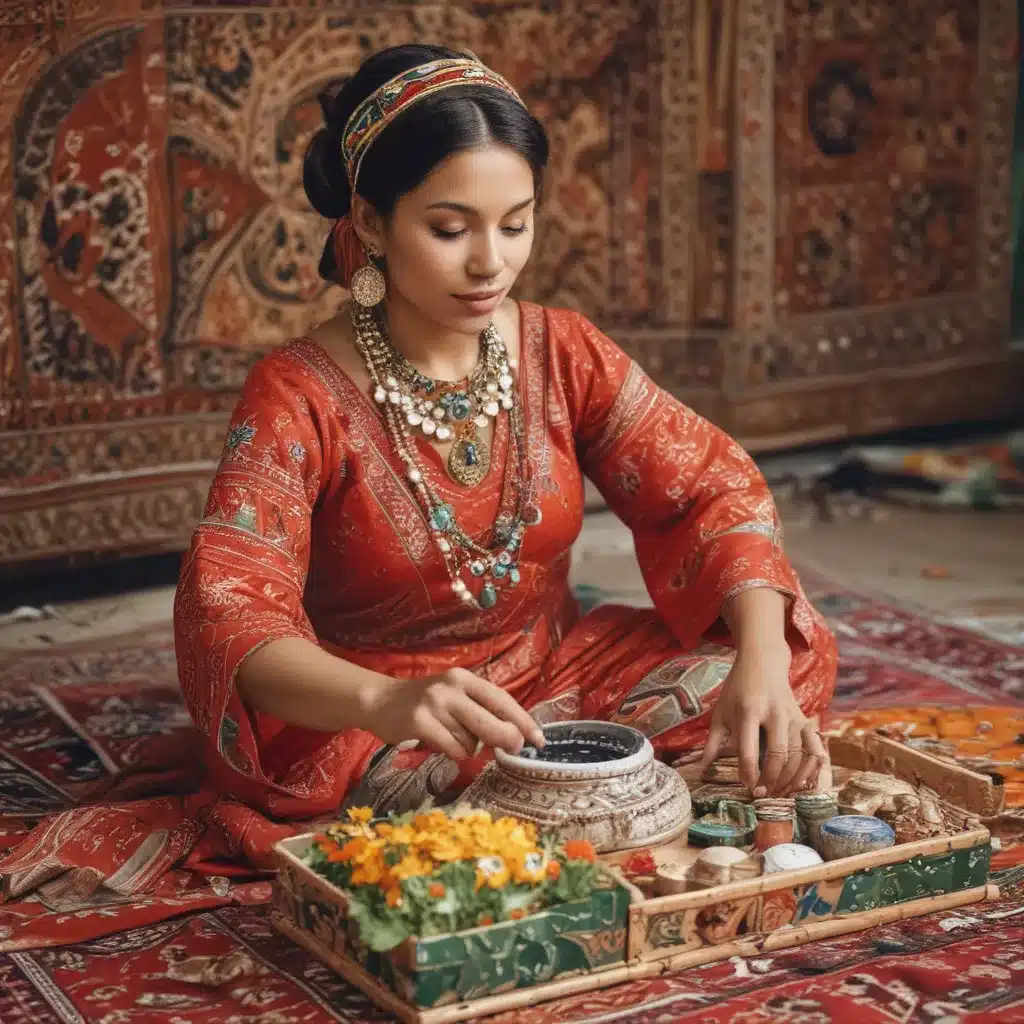
But the Japanese aren’t the only ones who recognize the power of cleanliness and order when it comes to personal growth and transformation. In many Latin American cultures, the last day of the year is marked by a tradition called Limpiar la Casa, or “cleaning the house.” Families will gather together to thoroughly clean their homes from top to bottom, often using special herbs and flowers to “purify” the space.
The act of cleaning is seen as a symbolic way to let go of the past and embrace the future. By sweeping out the old and making room for the new, people are manifesting their hopes and dreams for the year ahead. It’s a powerful ritual that connects the physical and the spiritual realms.
Now, let’s hop across the pond to the United Kingdom. In certain parts of the country, the New Year’s tradition of “first-footing” involves the first person to cross the threshold of a home after the clock strikes midnight. This individual is often a tall, dark-haired man bearing gifts like coal, salt, bread, or whisky – all of which are believed to bring good luck and prosperity for the coming year.
The idea behind first-footing is to welcome in the new year with someone who represents strength, stability, and abundance. By ushering in a “lucky” visitor, the household is setting the stage for a fruitful and fulfilling 12 months ahead.
Fascinatingly, the concept of “first-footing” has parallels in other cultures as well. In parts of Scotland, the tradition is known as “redding the house,” where families meticulously clean and prepare their homes before the new year, eager to welcome the first guest (or “first-footer”) with open arms.
The act of “redding the house” is more than just a physical cleaning – it’s a way to clear out the old energy and make space for the new. By sweeping away the cobwebs and dusting every surface, people are symbolically clearing the way for fresh possibilities and positive change.
But let’s not forget the good ol’ USA! In many American households, the tradition of “spring cleaning” has evolved into a year-round endeavor, with people deep-cleaning their homes at the start of each new season.
The idea behind this practice is to maintain a sense of order and balance, both in the physical space and the mind. By regularly purging and reorganizing, we’re able to stay on top of the clutter and chaos that can so easily accumulate. Plus, let’s be real – there’s something incredibly satisfying about a spotless, well-organized home, am I right?
Now, I know what you’re thinking – “Okay, Mx. Cleaning Enthusiast, these traditions all sound lovely and all, but how do they actually translate to real-life cleaning and organization?” Well, my friends, I’m glad you asked!
Let me tell you, there’s a lot we can learn from these cultural customs when it comes to tackling our own homes. By embracing the spirit of renewal and transformation, we can approach our cleaning and organizing tasks with a newfound sense of purpose and intention.
For example, why not try your hand at a thorough, end-of-the-year “Osoji” cleaning session? Set aside a weekend (or a few days, if you’re feeling extra ambitious) to meticulously scrub, sort, and tidy every inch of your living space. Open those windows, fluff those pillows, and don’t forget to get into those hard-to-reach areas! Trust me, the sense of accomplishment and lightness you’ll feel afterward will be nothing short of exhilarating.
Or, if you’re feeling the need for a bit of spiritual cleansing, take a cue from the Latin American tradition of “Limpiar la Casa.” Gather some sage, rosemary, or other purifying herbs, and use them to “smudge” your home, wafting the aromatic smoke into every nook and cranny. As you do so, visualize the negative energy being swept away, making room for positivity and new beginnings.
Heck, even something as simple as inviting a “first-footer” into your home on New Year’s Eve could be a fun way to embrace the spirit of the season. Who knows – maybe that tall, dark-haired stranger will bring you a bundle of joy (or at least a bottle of whisky) for the year ahead!
The key is to approach these traditions with an open mind and a willingness to experiment. After all, the beauty of cultural customs lies in their ability to inspire us, challenge our perspectives, and ultimately, help us create a home environment that truly nourishes our soul.
So, my fellow cleaning enthusiasts, I encourage you to dive headfirst into these global traditions and see how they can breathe new life into your own home and personal rituals. Whether it’s a deep, end-of-the-year cleanse or a simple act of “first-footing,” the opportunities for a fresh start are truly endless.
Unlocking the Power of Rituals and Routines
Now, I know what you’re thinking – “Okay, Mx. Cleaning Enthusiast, these traditions all sound lovely and all, but how do they actually translate to real-life cleaning and organization?” Well, my friends, I’m glad you asked! Let me tell you, there’s a lot we can learn from these cultural customs when it comes to tackling our own homes.
By embracing the spirit of renewal and transformation, we can approach our cleaning and organizing tasks with a newfound sense of purpose and intention. For example, why not try your hand at a thorough, end-of-the-year “Osoji” cleaning session? Set aside a weekend (or a few days, if you’re feeling extra ambitious) to meticulously scrub, sort, and tidy every inch of your living space. Open those windows, fluff those pillows, and don’t forget to get into those hard-to-reach areas! Trust me, the sense of accomplishment and lightness you’ll feel afterward will be nothing short of exhilarating.
The Japanese believe that a clean, orderly home is essential for a clear, focused mind. By meticulously scrubbing and organizing every inch of their living spaces, they’re not just decluttering their physical environment – they’re also clearing their mental space, preparing to tackle the new year with a renewed sense of purpose and clarity.
Or, if you’re feeling the need for a bit of spiritual cleansing, take a cue from the Latin American tradition of “Limpiar la Casa.” Gather some sage, rosemary, or other purifying herbs, and use them to “smudge” your home, wafting the aromatic smoke into every nook and cranny. As you do so, visualize the negative energy being swept away, making room for positivity and new beginnings.
The act of cleaning is seen as a symbolic way to let go of the past and embrace the future. By sweeping out the old and making room for the new, people are manifesting their hopes and dreams for the year ahead. It’s a powerful ritual that connects the physical and the spiritual realms.
Heck, even something as simple as inviting a “first-footer” into your home on New Year’s Eve could be a fun way to embrace the spirit of the season. Who knows – maybe that tall, dark-haired stranger will bring you a bundle of joy (or at least a bottle of whisky) for the year ahead!
The idea behind first-footing is to welcome in the new year with someone who represents strength, stability, and abundance. By ushering in a “lucky” visitor, the household is setting the stage for a fruitful and fulfilling 12 months ahead.
The key is to approach these traditions with an open mind and a willingness to experiment. After all, the beauty of cultural customs lies in their ability to inspire us, challenge our perspectives, and ultimately, help us create a home environment that truly nourishes our soul.
So, my fellow cleaning enthusiasts, I encourage you to dive headfirst into these global traditions and see how they can breathe new life into your own home and personal rituals. Whether it’s a deep, end-of-the-year cleanse or a simple act of “first-footing,” the opportunities for a fresh start are truly endless.
Cultivating a Mindful Cleaning Practice
But let’s not forget, my friends, that cleaning and organizing aren’t just about the physical tasks at hand. They’re also deeply connected to our mental and emotional well-being. That’s where the power of mindfulness comes into play.
By approaching our cleaning and organizing efforts with a greater sense of presence and intention, we can unlock a whole new level of fulfillment and personal growth.
Take, for instance, the Japanese tradition of Osoji. It’s not just about scrubbing and sweeping – it’s about being fully immersed in the process, savoring the sensations, and allowing the act of cleaning to become a meditative practice.
As I methodically wipe down the kitchen counters or fold my freshly laundered towels, I try to be mindful of the textures, the scents, the rhythmic motions of my hands. It’s a way of honoring the work and connecting with the present moment, rather than rushing through the tasks on autopilot.
And you know what? This mindful approach can work wonders for our mental clarity and emotional state. By being fully present during our cleaning sessions, we can let go of the stresses and distractions of daily life and focus on the task at hand. It’s a form of active meditation, if you will – a chance to quiet the chatter in our minds and find a sense of grounding and peace.
The Japanese believe that a clean, orderly home is essential for a clear, focused mind. By meticulously scrubbing and organizing every inch of their living spaces, they’re not just decluttering their physical environment – they’re also clearing their mental space, preparing to tackle the new year with a renewed sense of purpose and clarity.
And you know what? The benefits of this mindful approach don’t stop at the end of our cleaning sessions. Oh no, my friends – the positive effects can ripple out into our daily lives, helping us approach all of our tasks and interactions with a greater sense of presence and intention.
Imagine how empowered you’ll feel, knowing that you can transform even the most mundane chores into opportunities for self-reflection and personal growth. It’s like unlocking a whole new level of consciousness and control over your own well-being.
So, as you embrace these cultural cleaning customs and traditions, I encourage you to also adopt a more mindful approach. Slow down, savor the experience, and let the act of cleaning become a form of moving meditation. Trust me, the rewards will be well worth it.
The Joyful Art of Decluttering
Now, I know what you’re thinking – “Okay, Mx. Cleaning Enthusiast, I’m on board with the whole mindfulness thing, but what about the actual nitty-gritty of cleaning and organizing? How do I make that a joyful, fulfilling experience?”
Well, my friends, that’s where the art of decluttering comes into play. You see, there’s something incredibly empowering about letting go of the things that no longer serve us. It’s like a physical and emotional purge, making space for the new and the meaningful.
By approaching the decluttering process with a sense of intention and celebration, we can transform it from a dreaded chore into a truly cathartic experience.
Take, for instance, the Latin American tradition of “Limpiar la Casa.” The act of cleansing the home with herbs and flowers isn’t just about physical cleaning – it’s about imbuing the space with a sense of ritual and reverence.
As I carefully select my aromatic smudge sticks and waft the fragrant smoke through each room, I’m not just sweeping away the dust and grime – I’m also letting go of the emotional baggage and negative energy that may have accumulated over time.
It’s a powerful reminder that our homes are a reflection of our inner selves. By decluttering and purifying our living spaces, we’re also decluttering and purifying our minds and spirits. It’s a holistic approach to creating a sanctuary that truly nourishes our well-being.
The act of cleaning is seen as a symbolic way to let go of the past and embrace the future. By sweeping out the old and making room for the new, people are manifesting their hopes and dreams for the year ahead. It’s a powerful ritual that connects the physical and the spiritual realms.
And you know what? This joyful, intentional approach to decluttering can work wonders for our overall sense of clarity and calm. By letting go of the things that no longer serve us, we’re making space for the things that truly matter – the memories, the experiences, the connections that enrich our lives.
Imagine the sense of lightness and freedom you’ll feel as you meticulously sort through your possessions, keeping only the items that truly bring you joy and meaning. It’s a liberating process, my friends, and one that can have a profound impact on your mental and emotional well-being.
So, as you embark on your own decluttering journey, I encourage you to infuse it with the same spirit of ritual and reverence that we see in these cultural traditions. Light some candles, play soothing music, and approach each item with a sense of mindfulness and gratitude.
The key is to let go of the idea of “shoulding” all over yourself – “I should keep this,” “I should get rid of that.” Instead, focus on what truly resonates with you and brings you a sense of joy and purpose. Trust your intuition, my friends, and let the process unfold organically.
After all, the act of decluttering is not just about the physical things we possess – it’s about cultivating a deep, lasting connection with the space we call home. And when we approach it with intention, creativity, and a touch of playfulness, we can unlock a whole new level of personal growth and transformation.
Cleaning as Self-Care: Reframing the Chore
You know, as I’ve delved deeper into these cultural cleaning customs and traditions, I’ve come to realize that there’s so much more to it than just keeping our homes spick and span. It’s about taking care of ourselves – body, mind, and spirit.
Because let’s be real, my friends – cleaning and organizing can be tough, grunt work. It’s easy to get bogged down by the monotony of it all, to see it as just another chore on our never-ending to-do lists.
But what if we reframed the way we think about cleaning? What if we started to see it as a form of self-care, a way to nurture our overall well-being and create the kind of environment that truly nourishes us?
Take, for instance, the Japanese tradition of Osoji. It’s not just about scrubbing and sweeping – it’s about being fully present in the moment, honoring the work, and allowing the act of cleaning to become a meditative practice.
As I methodically wipe down the kitchen counters or fold my freshly laundered towels, I try to be mindful of the textures, the scents, the rhythmic motions of my hands. It’s a way of honoring the work and connecting with the present moment, rather than rushing through the tasks on autopilot.
And you know what? The benefits of this mindful approach don’t stop at the end of our cleaning sessions. Oh no, my friends – the positive effects can ripple out into our daily lives, helping us approach all of our tasks and interactions with a greater sense of presence and intention.
Imagine how empowered you’ll feel, knowing that you can transform even the most mundane chores into opportunities for self-reflection and personal growth. It’s like unlocking a whole new level of consciousness and control over your own well-being.
But it’s not just about the mental and emotional aspects of cleaning, either. There’s a physical element to it as well – one that can have a profound impact on our overall health and vitality.
Think about it – when our living spaces are cluttered and chaotic, it can leave us feeling drained, overwhelmed, and disconnected from our own bodies. But when we take the time to meticulously clean and organize our homes, we’re not just creating a more aesthetically pleasing environment – we’re also nourishing our physical selves.
Just consider the Latin American tradition of “Limpiar la Casa,” where families use aromatic herbs and flowers to “purify” their living spaces. It’s a powerful reminder that our homes are not just physical spaces – they’re also energetic sanctuaries that can either uplift or deplete us.