
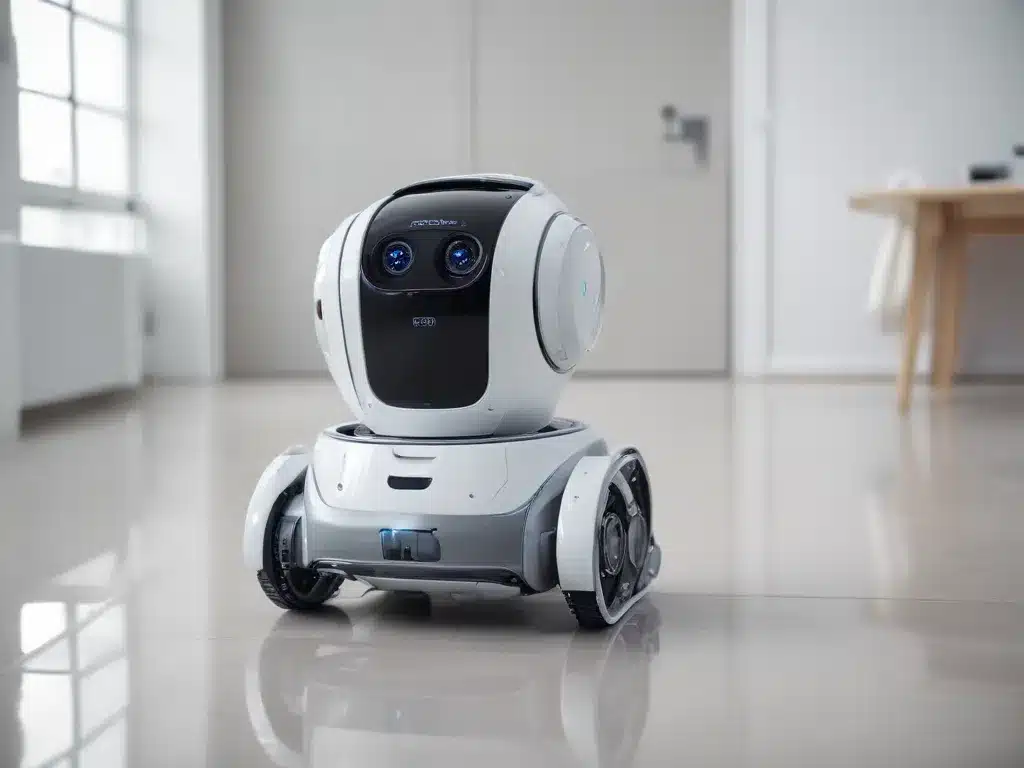
The Rise of Cleaning Robots
I have been fascinated by the rapid advancements in cleaning robots for quite some time now. The idea of having a machine that can efficiently and tirelessly tackle the mundane task of cleaning our homes and workplaces has always piqued my interest. As I delve deeper into this topic, I am truly amazed by the innovative solutions that technology has brought to the table. In this article, I will explore the current state of cleaning robots, their capabilities, and the implications they hold for the future of cleaning.
The cleaning robot market has been witnessing a steady growth in recent years, driven by the increasing demand for convenient and efficient cleaning solutions. Homeowners and businesses alike are recognizing the value of these robotic assistants, which can perform a wide range of cleaning tasks with minimal human intervention. From vacuuming and mopping to window cleaning and floor scrubbing, the capabilities of cleaning robots have expanded significantly.
One of the key factors driving the adoption of cleaning robots is their ability to save time and effort. Imagine a world where you no longer have to spend hours on your hands and knees, painstakingly scrubbing every nook and cranny of your home. Cleaning robots can handle these tasks with remarkable efficiency, freeing up your time for more important or enjoyable activities.
Moreover, cleaning robots are not just about convenience; they also offer significant benefits in terms of consistent and thorough cleaning. These machines can navigate through complex environments, reaching areas that might be difficult for humans to access. They can also be programmed to follow specific cleaning patterns, ensuring that no surface is left untouched.
Advancements in Cleaning Robot Technology
As the demand for cleaning robots continues to grow, manufacturers have been working tirelessly to improve the capabilities of these machines. One area of significant advancement is in the field of navigation and mapping. Cleaning robots are now equipped with advanced sensors and algorithms that allow them to navigate through a space, create detailed maps, and avoid obstacles with remarkable precision.
This improved spatial awareness has enabled cleaning robots to become more versatile and adaptable. They can now navigate through complex environments, such as multi-level buildings or homes with intricate floor plans, and ensure that every nook and cranny is thoroughly cleaned.
Another exciting development in the world of cleaning robots is the integration of advanced features like smart connectivity and voice control. Many modern cleaning robots can be connected to home automation systems, allowing users to control and monitor their cleaning operations through their smartphones or voice assistants. This level of integration not only enhances the user experience but also enables remote monitoring and scheduling, making the cleaning process even more efficient and convenient.
Furthermore, cleaning robots are becoming increasingly energy-efficient and eco-friendly. Advancements in battery technology and the use of energy-saving features have reduced the environmental impact of these machines, making them a more sustainable cleaning solution.
The Impact of Cleaning Robots on Households and Businesses
The rise of cleaning robots has had a significant impact on both households and businesses. In the domestic setting, homeowners have been able to enjoy a newfound sense of freedom and flexibility. No longer do they have to devote hours to the tedious task of cleaning; instead, they can simply set their cleaning robot to work and focus on other priorities.
This has resulted in a more balanced and fulfilling lifestyle for many households. Family members can now spend more quality time together, engage in hobbies, or pursue personal interests without the burden of constant cleaning.
The impact of cleaning robots extends beyond the home and into the commercial realm as well. Businesses, particularly in the service and hospitality industries, have embraced the use of cleaning robots to streamline their operations and improve efficiency.
Hotels, for example, have been quick to adopt cleaning robots to ensure consistent and thorough cleaning of guest rooms and common areas. This not only enhances the guest experience but also frees up staff to focus on other essential tasks, such as providing personalized service and attending to the needs of their customers.
Similarly, office buildings and other commercial spaces have been leveraging the power of cleaning robots to maintain a clean and welcoming environment for their employees and clients. These robotic assistants can work tirelessly, day and night, to ensure that the premises are always presentable and well-maintained.
The Future of Cleaning Robots
As I ponder the future of cleaning robots, I can’t help but feel a sense of excitement and anticipation. The advancements in this technology are truly remarkable, and I believe that we are only scratching the surface of what these machines are capable of.
One area that I am particularly enthusiastic about is the potential for further integration of artificial intelligence (AI) and machine learning. Imagine a cleaning robot that can not only navigate and clean efficiently but also learn and adapt to the unique needs and preferences of each household or business. This level of personalization and intelligence could revolutionize the way we approach cleaning, making it a seamless and effortless experience.
Another exciting prospect is the development of multi-functional cleaning robots. Instead of having separate machines for vacuuming, mopping, and other cleaning tasks, the future might see the emergence of all-in-one cleaning robots that can handle a wide range of cleaning needs with a single unit. This could lead to even greater efficiency and cost savings for both households and businesses.
As I contemplate the future of cleaning robots, I can’t help but wonder about the societal implications of this technology. Will the widespread adoption of these machines lead to the displacement of traditional cleaning jobs? Or will they create new opportunities and job roles that cater to the maintenance and operation of these advanced cleaning systems?
These are important questions that will need to be addressed as cleaning robots become more prevalent. Policymakers and industry leaders will need to work together to ensure that the benefits of this technology are equitably distributed and that the transition is managed in a way that minimizes the negative impact on workers.
Conclusion: The Future is Clean
In conclusion, the world of cleaning robots is truly a remarkable and rapidly evolving field. From their ability to save time and effort to their potential for enhancing the cleanliness and sustainability of our living and working spaces, these machines have the power to transform the way we approach cleaning.
As I reflect on the advancements I have witnessed and the future possibilities that lie ahead, I am filled with a sense of optimism and excitement. The cleaning robots of today are just the beginning, and I can’t wait to see how this technology will continue to evolve and shape the way we live and work.
Whether you are a homeowner, a business owner, or simply someone who appreciates the value of a clean and well-maintained environment, I encourage you to keep an eye on the world of cleaning robots. The future is clean, and it’s being ushered in by these remarkable machines.
If you’re interested in exploring the potential of cleaning robots for your home or business, I invite you to visit AdamCleaning.uk/services/. Their team of experts can provide you with the information and guidance you need to harness the power of this transformative technology.