Understanding Dried Mud
Dried mud can be a stubborn and persistent problem, especially in areas where rain, snow, or other outdoor activities are common. As the mud dries, it can become increasingly difficult to remove, leaving behind unsightly stains and potentially causing damage to surfaces. But fear not, I’m here to guide you through the process of cleaning away dried mud, providing you with the knowledge and tools you need to restore your spaces to their former glory.
Dried mud can accumulate on a variety of surfaces, from floors and walls to furniture and outdoor equipment. The composition of the mud, as well as the length of time it has been left to harden, can significantly impact the difficulty of the cleaning process. Understanding the nature of dried mud is the first step in tackling this challenge effectively.
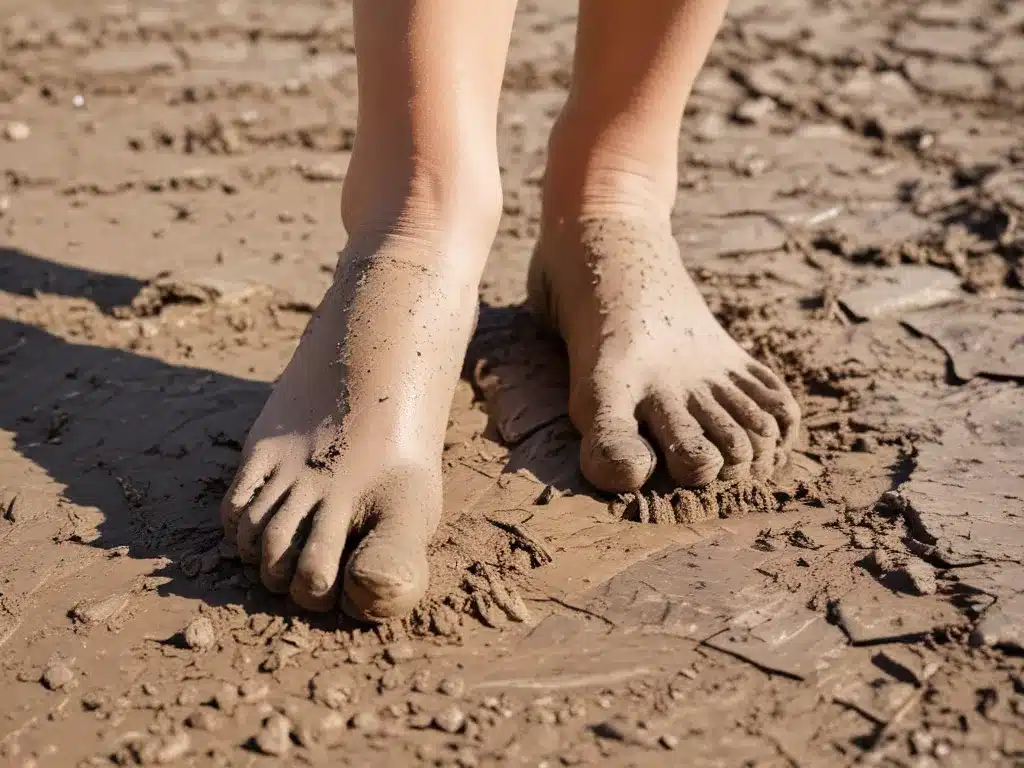
Dried mud typically consists of a combination of clay, silt, and organic matter, which can bind together to create a tenacious, stubborn layer. The drying process can cause the mud to become incredibly hard and resistant to removal, making it a frustrating task for many homeowners and cleaning professionals.
Assessing the Damage
Before diving into the cleaning process, it’s essential to assess the extent of the damage caused by the dried mud. The nature of the surface and the severity of the stain will determine the most effective cleaning approach.
When dealing with dried mud on floors, I’ll need to consider the type of flooring material, as this can impact the cleaning methods and products I choose. Hardwood floors, for example, may require a different approach than tile or concrete surfaces.
Identifying the specific location and severity of the dried mud stains is also crucial. Is the mud concentrated in a small area, or has it spread across a larger surface? The deeper and more widespread the stain, the more challenging the cleaning process may be.
Additionally, I’ll need to consider any potential damage the dried mud may have caused to the underlying surface. Has it penetrated into cracks or crevices, or has it left behind discoloration or etching? Understanding the extent of the damage will help me develop a tailored cleaning plan.
Preparing the Surface
Once I’ve assessed the situation, the next step is to prepare the surface for the cleaning process. This may involve a combination of pre-treatment, removal of loose debris, and careful surface preparation.
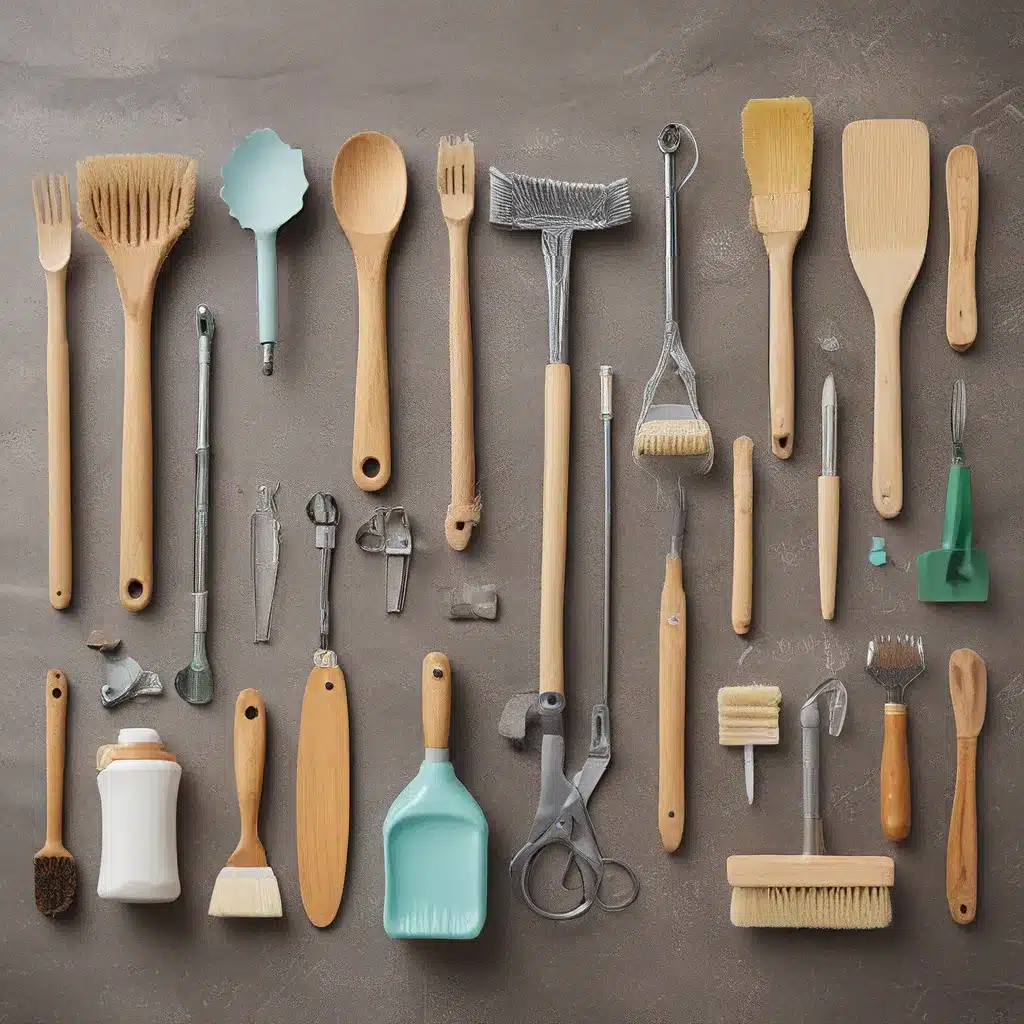
I’ll start by using a stiff-bristled brush or scraper to gently remove any loose or flaking dried mud. This will help to break up the surface layer and make it easier to work with the cleaning solutions.
Depending on the surface material, I may also need to use a degreasing agent or a mild acid-based cleaner to help break down the tougher, more stubborn layers of dried mud. These specialized cleaning products can be particularly effective in penetrating the hard, compacted layers of mud.
Once the surface has been pre-treated, I’ll thoroughly rinse the area to remove any residual cleaning solutions or loosened mud. This step is crucial to ensure that the surface is clean and ready for the next phase of the cleaning process.
Selecting the Right Cleaning Approach
With the surface prepared, I’ll need to choose the most appropriate cleaning method for the specific situation. The choice of cleaning approach will depend on factors such as the type of surface, the severity of the dried mud stain, and any potential damage to the underlying material.
For surfaces like hardwood floors or delicate fabrics, I may opt for a more gentle, water-based cleaning solution. These mild, pH-neutral products can help to lift the dried mud without causing any harm to the underlying material.
In cases where the dried mud is particularly stubborn or has penetrated deeper into the surface, I may need to use more aggressive cleaning methods. This could involve the use of specialized cleaning tools, such as steam cleaners or high-pressure washers, which can help to break down the dried mud and flush it away.
It’s important to note that the cleaning approach I choose will also need to consider any potential risks or damage to the surrounding environment. I’ll need to take appropriate safety precautions and follow all relevant regulations to ensure the safety of both myself and the property.
Applying the Cleaning Solution
With the surface prepared and the cleaning method selected, I’ll now need to apply the cleaning solution. This step requires careful attention to detail and a systematic approach to ensure the best possible results.
I’ll start by thoroughly wetting the dried mud stain with the chosen cleaning solution, ensuring that it penetrates deep into the affected area. Depending on the product, I may need to let it sit for a few minutes to allow the active ingredients to work.
Next, I’ll use a scrub brush or other agitation tool to gently work the cleaning solution into the dried mud. This mechanical action can help to break down the stubborn deposits and lift them from the surface.
In some cases, I may need to repeat the application and agitation process multiple times to fully remove the dried mud. I’ll be vigilant in monitoring the progress and adjust my approach as needed to achieve the desired level of cleanliness.
Throughout the cleaning process, I’ll be mindful of any potential damage to the underlying surface and take appropriate precautions to protect it.
Rinsing and Drying
Once the dried mud has been successfully lifted and loosened, the next step is to thoroughly rinse the surface. This step is crucial to ensure that all traces of the cleaning solution and loosened mud are removed, leaving the surface clean and ready for the final drying phase.
I’ll use a high-pressure water source, such as a hose or pressure washer, to flush away any remaining debris. I’ll be sure to direct the water flow in a way that doesn’t cause further damage to the surface.
After the rinsing process, I’ll need to thoroughly dry the surface. Depending on the size and location of the affected area, I may use a combination of tools, such as fans, dehumidifiers, or even absorbent cloths, to ensure that the surface is completely dry.
Proper drying is essential to prevent any lingering moisture from causing further damage or the formation of new dried mud stains. I’ll be patient and diligent in this step, taking the time necessary to ensure the surface is completely dry before considering the job complete.
Preventing Future Dried Mud Accumulation
Once the dried mud has been successfully removed, the final step is to implement strategies to prevent future accumulation. This may involve a combination of regular maintenance, protective measures, and ongoing vigilance.
For indoor surfaces, I may recommend the installation of doormats or entry rugs to help capture dirt and moisture before it can be tracked in. Regular sweeping and mopping of high-traffic areas can also help to mitigate the buildup of dried mud.
Outdoor surfaces, such as patios or driveways, may benefit from the application of sealants or protective coatings. These products can help to create a barrier against the elements and make it easier to clean away any future mud deposits.
Regular inspection and prompt attention to any new mud accumulation can also go a long way in preventing the problem from escalating. By addressing dried mud issues quickly and effectively, I can help to maintain the cleanliness and appearance of the affected surfaces.
Remember, prevention is often the best cure when it comes to dealing with dried mud. By staying proactive and implementing the right strategies, you can save yourself a lot of time, effort, and frustration down the line.
Conclusion
Cleaning away dried mud can be a challenging and time-consuming task, but with the right approach and the proper tools, it’s a problem that can be effectively addressed. By understanding the nature of dried mud, assessing the extent of the damage, and carefully selecting the most appropriate cleaning methods, I can help you restore your surfaces to their former glory.
If you’re struggling with dried mud stains, I encourage you to visit our services page to learn more about how we can assist you. Our team of experienced cleaning professionals is dedicated to providing tailored solutions that meet your unique needs and ensure the long-term cleanliness and protection of your spaces.
Remember, tackling dried mud is all about patience, attention to detail, and a willingness to try different approaches until the desired results are achieved. With the right strategies and a bit of elbow grease, you can say goodbye to those stubborn dried mud stains for good.