The Fascinating Diversity of Cleaning Practices Around the World
As an avid traveler and cleanliness enthusiast, I’ve always been fascinated by the diverse cleaning customs practiced across the globe. While growing up in Nottingham, UK, my own cleaning routines were fairly straightforward – a quick vacuum, some dusting, and the occasional scrub-down. But stepping out into the wider world has opened my eyes to an incredible array of unique, culturally-infused cleaning traditions.
You see, cleaning isn’t just about getting rid of dirt and grime – it’s a deeply meaningful ritual that reflects the values, beliefs, and lived experiences of different societies. From the meticulous floor scrubbing of rural Japan to the fragrant herb bundles of traditional Moroccan hammams, each cleaning custom tells a story about the people who practice it.
Take, for instance, the reverence for cleanliness in Hinduism. According to ancient Vedic texts, maintaining a spotless home is a sacred duty, as it is believed to purify the mind and attract positive energies. Hindu families will often engage in an elaborate cleansing ceremony called Diwali, where every nook and cranny is scrubbed from top to bottom using a blend of natural ingredients like turmeric, sandalwood, and lemon.
Likewise, the nomadic Berber people of North Africa have a long-standing tradition of using essential oils and carefully curated herb bundles to cleanse both their living spaces and their bodies. This ritual, known as “Hammam,” is not only about physical purification, but also a means of connecting with the earth and honoring one’s ancestral roots.
And let’s not forget the Hmong people of Southeast Asia, who believe that a well-kept home is a sign of respect and harmony within the family. Their cleaning routines often involve intricate, symbolic floor patterns created using vibrant colored clays and stones – a practice that speaks to the deep cultural significance of maintaining a tidy, aesthetically-pleasing living environment.
As I’ve delved deeper into these fascinating cultural cleaning customs, I can’t help but feel a profound sense of wonder and appreciation. It’s a reminder that the simple act of cleaning can be imbued with so much meaning, history, and spiritual significance. And it’s made me appreciate the richness and diversity of human experience in a whole new way.
Insights from Cultural Cleaning Experts
Of course, understanding the full depth and complexity of these cultural cleaning traditions requires the wisdom and expertise of those who have lived and breathed them. That’s why I was thrilled to have the opportunity to speak with several renowned cultural cleaning experts, each of whom offered invaluable insights into their respective traditions.
One such expert is Fatima Benqadour, a Moroccan-born scholar and practitioner of traditional Hammam rituals. “The Hammam is not just about physical cleansing,” Fatima explained. “It’s a holistic experience that nourishes the mind, body, and spirit. Through the use of natural ingredients like argan oil and eucalyptus, we’re able to connect with the land and our ancestors in a really profound way.”
Fatima went on to describe the intricate step-by-step process of a traditional Hammam, which can often take several hours to complete. “It begins with a thorough scrubbing of the skin using a coarse exfoliating mitt called a ‘kessa’,” she said. “This is followed by a steam bath, a rinse with warm water, and the application of fragrant soaps and oils. The final step is a relaxing massage using traditional Berber techniques.”
For Fatima, this ritual is not just about getting clean – it’s about creating a sacred space for self-care, reflection, and community bonding. “The Hammam is a place where women gather to share stories, support one another, and celebrate their connection to the natural world,” she said. “It’s a profoundly meaningful tradition that has been passed down through generations.”
Another expert I had the privilege of speaking with was Hiroko Tanaka, a Japanese cleaning consultant and author of the bestselling book, “The Art of Cleaning: Zen Principles for a Spotless Home.” Hiroko emphasized the deeply spiritual and mindful aspects of Japanese cleaning practices.
“In Japan, cleaning is not just a chore – it’s a meditative act that allows us to cultivate awareness, focus, and a deep appreciation for the present moment,” Hiroko explained. “When we sweep the floors or wipe down the countertops, we’re not just removing physical dirt, but also ‘sweeping away’ negative energy and creating a harmonious, peaceful environment.”
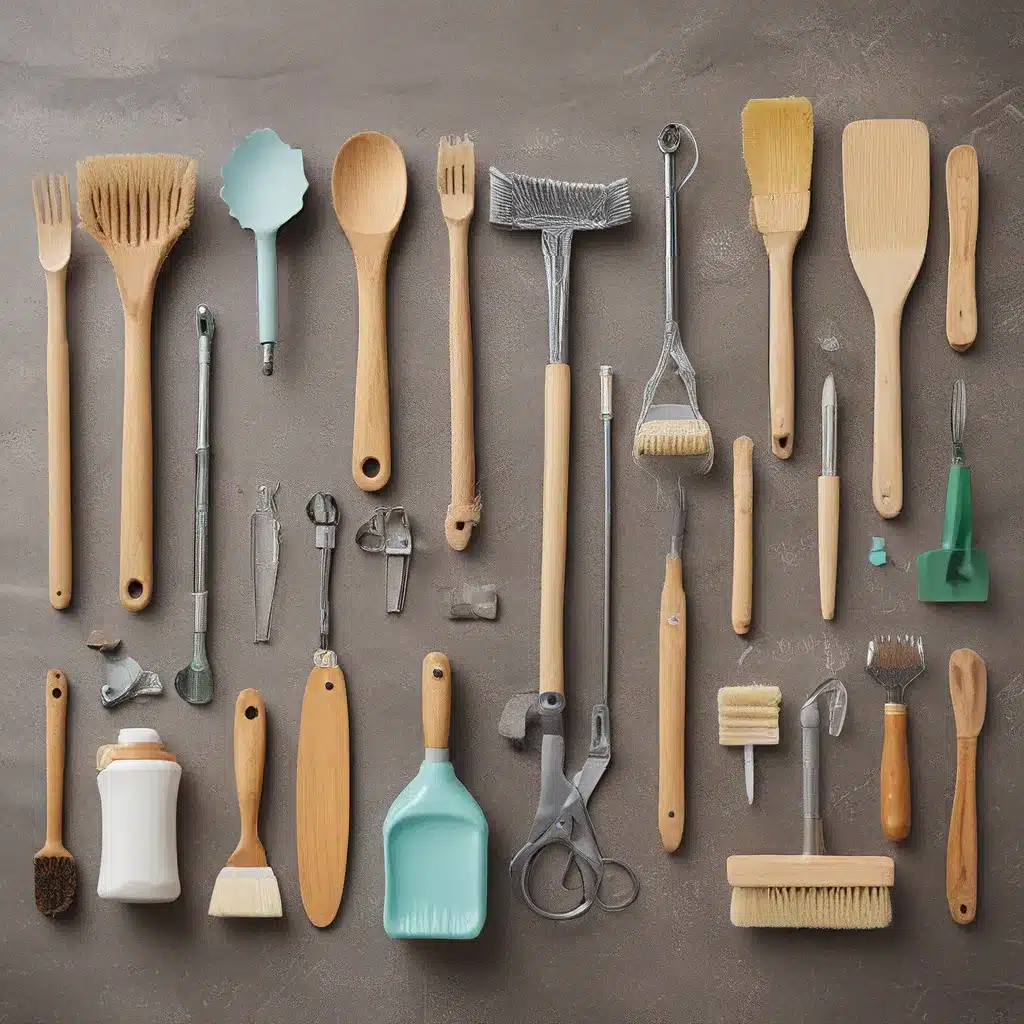
Hiroko went on to describe the intricate techniques and tools used in traditional Japanese cleaning, from the delicate bamboo dustpans to the intricate folding of cleaning cloths. “Every step is imbued with intention and attention to detail,” she said. “It’s about respecting the materials we use, honoring the space we inhabit, and ultimately, finding a sense of inner calm and clarity.”
Blending Cleaning Customs in the Modern World
As fascinating as these cultural cleaning traditions are, one might wonder how they can be incorporated into the fast-paced, technology-driven world of today. After all, in an age of robotic vacuums and eco-friendly cleaning products, do these ancient rituals still have a place in our daily lives?
The answer, I believe, is a resounding yes. In fact, I would argue that blending these culturally-infused cleaning customs with modern convenience and sustainability can result in a uniquely holistic and meaningful cleaning experience.
Take, for instance, the incorporation of essential oils and natural ingredients into one’s cleaning routine. Instead of reaching for harsh chemical-laden products, why not experiment with a fragrant blend of lavender, lemon, and eucalyptus – a nod to the aromatic cleaning traditions of Morocco and beyond? Not only will this make your home smell divine, but it can also imbue the act of cleaning with a sense of mindfulness and connection to the natural world.
Or, consider the Japanese principle of “wabi-sabi” – the appreciation of imperfection and the beauty in the simple, everyday things. This philosophy can be applied to our cleaning habits, encouraging us to let go of the need for absolute pristine perfection and instead focus on cultivating a gentle, unhurried approach to maintaining a tidy living space.
And for those who long for a more communal, ritualistic cleaning experience, why not gather a group of friends or family members and embark on a Diwali-inspired deep cleaning session? Complete with traditional chants, herbal mixtures, and a shared sense of purpose, this could be a wonderful way to not only get your home sparkling clean, but also deepen your connections with loved ones.
The possibilities are endless when it comes to blending cultural cleaning customs with modern sensibilities. By embracing the diversity of human experience and the wisdom of ancient traditions, we can elevate the simple act of cleaning into a truly enriching and transformative practice.
Discovering the Beauty in Everyday Cleaning
As I’ve delved deeper into the world of cultural cleaning customs, I’ve come to the realization that there is a profound beauty in the everyday act of maintaining a clean and orderly living space. It’s not just about eradicating dirt and grime, but about honoring the spaces we inhabit, fostering a sense of harmony and well-being, and connecting with the rhythms of the natural world.
Take, for instance, the Hmong tradition of creating intricate floor patterns using colored clays and stones. This practice is not only visually stunning, but it also imbues the act of cleaning with a sense of artistry and cultural significance. Imagine the care and attention that goes into meticulously arranging each element, knowing that the final result will be a temporary yet breathtaking work of art.
Or consider the meditative qualities of the Japanese cleaning ritual, where each movement and gesture is infused with intention and mindfulness. As Hiroko Tanaka, the Japanese cleaning expert, so eloquently put it, “When we clean, we’re not just removing physical dirt – we’re also ‘sweeping away’ negative energy and creating a harmonious, peaceful environment.”
It’s this intersection of the practical and the spiritual, the mundane and the transcendent, that makes these cultural cleaning customs so truly captivating. They remind us that the simple act of keeping our living spaces tidy and well-maintained can be a profound and enriching experience – one that connects us to our roots, our community, and the natural world around us.
In a world that often feels overwhelming and fast-paced, the beauty of these cultural cleaning customs lies in their ability to slow us down, to ground us in the present moment, and to cultivate a deep sense of gratitude and appreciation for the spaces we inhabit. Whether it’s the fragrant steam of a Moroccan Hammam or the meticulous floor sweeping of a Japanese household, there is a inherent elegance and grace to these traditions that we would do well to embrace.
Conclusion: Celebrating the Diversity of Cleaning Customs
As I reflect on the incredible diversity of cultural cleaning customs I’ve had the privilege of exploring, I am filled with a profound sense of wonder and appreciation. From the sacred Diwali rituals of Hindu families to the fragrant herb bundles of Berber nomads, each tradition speaks to the deep, multifaceted meaning that can be found in the simple act of maintaining a clean and orderly living space.
What these customs have taught me is that cleaning is not just a chore, but a universal human experience that is imbued with cultural significance, spiritual meaning, and artistic expression. It’s a practice that has the power to connect us to our roots, our communities, and the natural world around us – if we approach it with the right mindset and intention.
As I continue my journey of discovering and embracing these diverse cleaning customs, I can’t help but feel a sense of excitement and possibility. Imagine the richness and depth that could be infused into our own cleaning routines by incorporating elements of these ancient traditions. A meditative sweep of the floors, a soothing essential oil diffuser, or a communal deep-cleaning session – the opportunities for blending the old and the new are endless.
Ultimately, what these cultural cleaning customs have taught me is that there is a beauty and significance to even the most mundane of tasks. By approaching cleaning with reverence, mindfulness, and a deep appreciation for the diversity of human experience, we can transform a simple chore into a truly meaningful and transformative practice.
So, the next time you find yourself reaching for the vacuum or the mop, I encourage you to pause and consider the cultural context behind your actions. What ancient traditions and spiritual beliefs might be woven into the simple act of keeping your living space tidy? How might you incorporate elements of these customs into your own cleaning routines, and in doing so, deepen your connection to the world around you?
The answers to these questions may just surprise you, and lead you on a fascinating journey of discovery – one that celebrates the richness and diversity of human culture, and the profound beauty that can be found in even the most everyday of tasks.