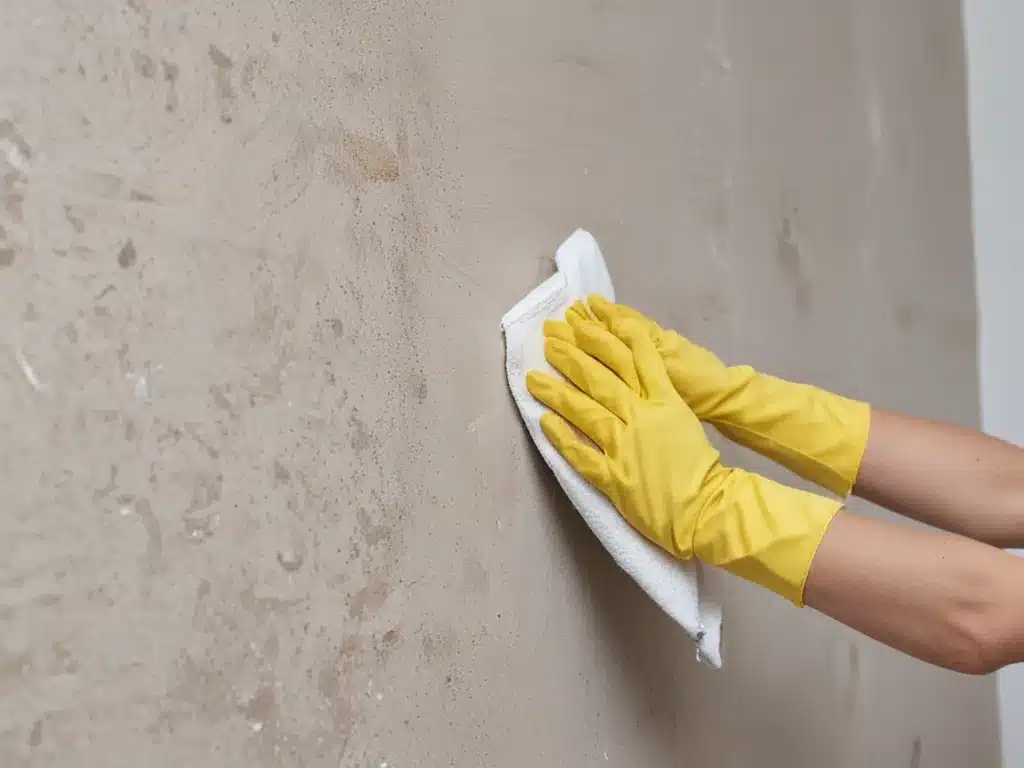
Cleaning wall scuffs can seem daunting, but with the right techniques and products, you can make them disappear like a pro. Here’s a step-by-step guide to getting your walls looking fresh and new again.
Assess the Damage
The first step is to take a close look at the scuff and identify what caused it. Here are some common culprits:
-
Furniture rubbings: This causes light surface scuffs from chairs, tables, or bed frames rubbing repeatedly against the wall.
-
Accidental bumps: Heavier impacts that remove the paint and expose the drywall underneath. These may come from opening doors, toys being thrown, or people bumping into the wall.
-
Scuffs from shoes or pets: Repeated scuffing in one area from shoes kicking the wall or pets rubbing against it.
The amount of paint removed and how deep the scuff goes into the drywall will determine the repair method.
Gather Your Materials
Having the right tools makes a big difference in getting walls looking new again. Here’s what you’ll need:
-
Fine grit sandpaper: 220-400 grit removes scuff marks without damaging the surrounding paint.
-
Primer: Matches the wall color to prime repaired areas before painting.
-
Paint: Matching paint in either a sample size or touch-up container.
-
Painter’s tape: For crisp edges around repaired areas.
-
Putty knife: Spreads spackle smoothly onto scuffed areas.
-
Spackle or drywall joint compound: For filling and smoothing damaged drywall.
-
Drop cloths: Protects floors and furniture from paint splatters.
Repair Light Surface Scuffs
For light scuffs where the base wall color is still visible:
-
Clean the scuff with a damp microfiber cloth to remove any dirt or debris. Let the area dry completely.
-
Sand lightly with 220-400 grit sandpaper just to rough up the surface. Be gentle to avoid removing more paint. Wipe away any dust.
-
If needed, apply a thin coat of primer just to the scuffed area to match the sheen and color of the existing paint. Let dry completely.
-
Use a small brush or sponge applicator to paint over the scuff, feathering the edges to blend with the surrounding paint. Allow to dry fully before assessing if an additional coat is needed.
Fix Scuffs Exposing Drywall
For deeper scuffs or scratches exposing drywall:
-
Remove any loose drywall or paint flakes so the area is clean and stable.
-
Sand the edges of the damaged area to taper them into the existing wall surface. Vacuum up dust.
-
Apply a coat of primer to seal and prepare the exposed drywall. Allow to dry fully.
-
Use a putty knife to fill the hole with spackle, pressing it firmly into the hole and leaving it slightly above the wall surface.
-
When dry, sand flush with the wall until smooth. Wipe away dust.
-
Prime and paint using the techniques for light scuffs above. Feather out edges.
Prevent Scuffs and Touch Up Often
The best way to deal with scuffs over time is prevention and quick touch ups:
-
Install wall protectors on high traffic areas to prevent damage.
-
Re-arrange furniture periodically to avoid rubbings in one spot.
-
Keep walls freshly painted – scuffs show up more on older, yellowed paint.
-
Fix scuffs as they happen by wiping, priming, and painting right away. This prevents build up.
-
Consider scrubbable matte paint – it withstands occasional wiping and won’t scuff as easily.
With the right preparations and techniques, you can make your walls look professionally repaired in no time. Just take your time prepping the area, use quality primer and paint, and blend edges carefully as you work.