Introduction
Kitchen walls can easily accumulate grease, grime, and stains over time from cooking splatters and spills. Getting rid of these unsightly marks can seem daunting, but with the right techniques and products, I can clean my kitchen walls and restore them to a like-new condition. In this comprehensive guide, I will share step-by-step instructions for effectively removing grease, grime, and stains from kitchen walls.
Assess the Walls and Stain Types
Before beginning the cleaning process, I conduct a thorough inspection of the kitchen walls to identify problem areas. I look for any grease splatters, food stains, grimy film buildup, and discoloration. I also note the wall material – whether it is painted drywall, tile, wallpaper, or another surface. Different materials and stains may require tailored techniques and cleaning solutions.
Some common kitchen wall stains I encounter include:
- Grease splatters – caused by frying, sautéing, broiling meats and vegetables. Appear as specks and blobs of oil residue.
- Sauce splashes – from tossing food in pans or blending wet ingredients. Leave discolored splotches.
- Smoke and vapor grime – accumulate from stove cooking. Cause a grimy yellowish film.
- Water stains or mold/mildew – from steam, condensation, or leaks. Look like dark splotches or fuzzy growth.
Identifying the stain type helps me choose the best cleaning method.
Grease Cleaning Supplies and Solutions
To clean greasy kitchen walls, I gather the following supplies and solutions:
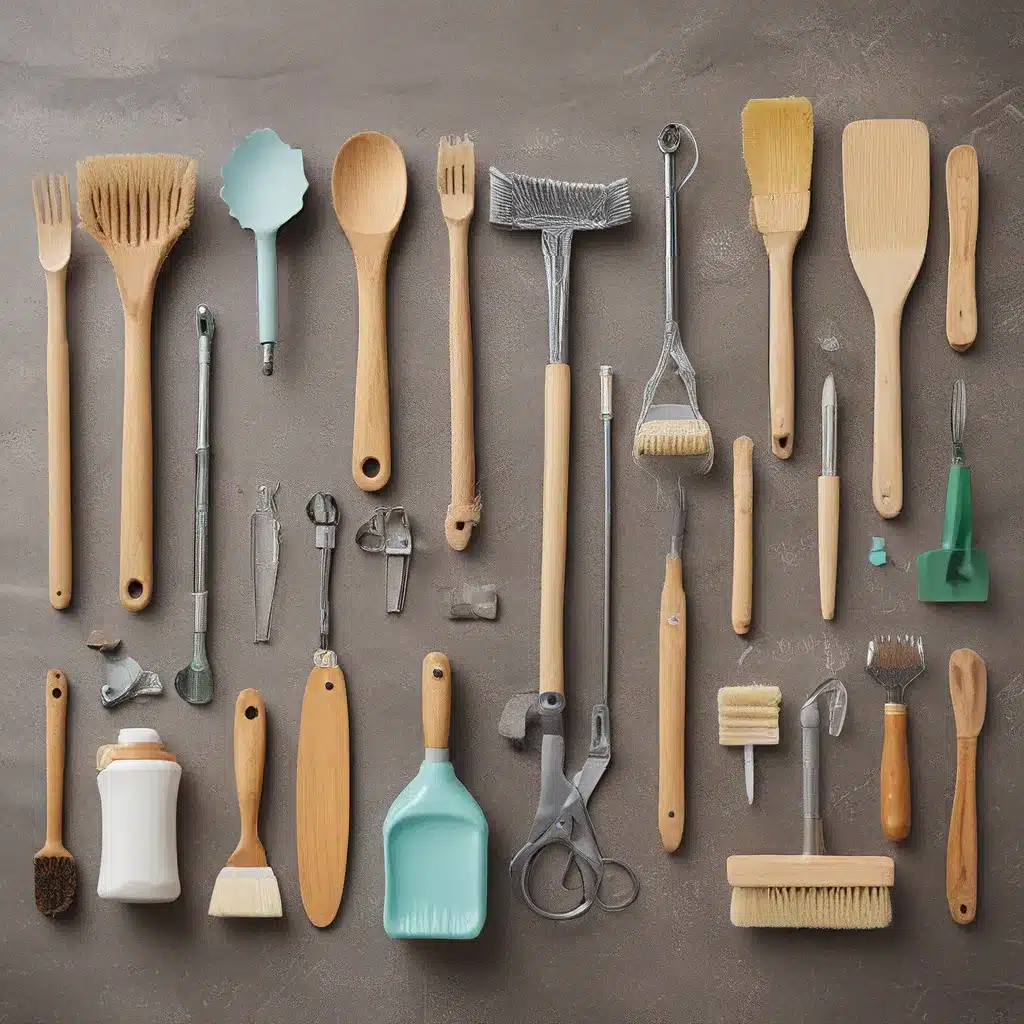
Cleaning Tools
- Sponge – for applying cleaners and scrubbing
- Scrub brush – for tougher stains and grout lines
- Microfiber cloths – to wipe away grime without leaving streaks
- Garden sprayer – provides a pressurized stream for rinsing
- Protective gloves – to keep hands safe from harsh chemicals
Cleaning Solutions
- Dish soap – cuts through grease; add a few drops to water
- Baking soda – a gentle abrasive that lifts grime
- White vinegar – helps dissolve grease; mixes with baking soda to foam away residue
- Ammonia – brightens and disinfects walls
- Mr. Clean Magic Eraser – lifts away stuck-on grime with minimal scrubbing
For tougher grease, I may also use:
- Trisodium phosphate (TSP) – industrial degreaser for heavy grime buildup
- Liquid degreasers – formulated especially for cleaning greasy messes
Having the right tools and solutions assembled helps me work quickly and efficiently. I avoid toxic chemicals like bleach that can damage paint or tile grout.
Cleaning Techniques by Surface Type
The cleaning method I use depends on the kitchen wall material:
Painted Drywall
To clean painted walls:
- I make a cleaning solution of � cup dish soap, 1⁄2 cup vinegar, 1 gallon warm water.
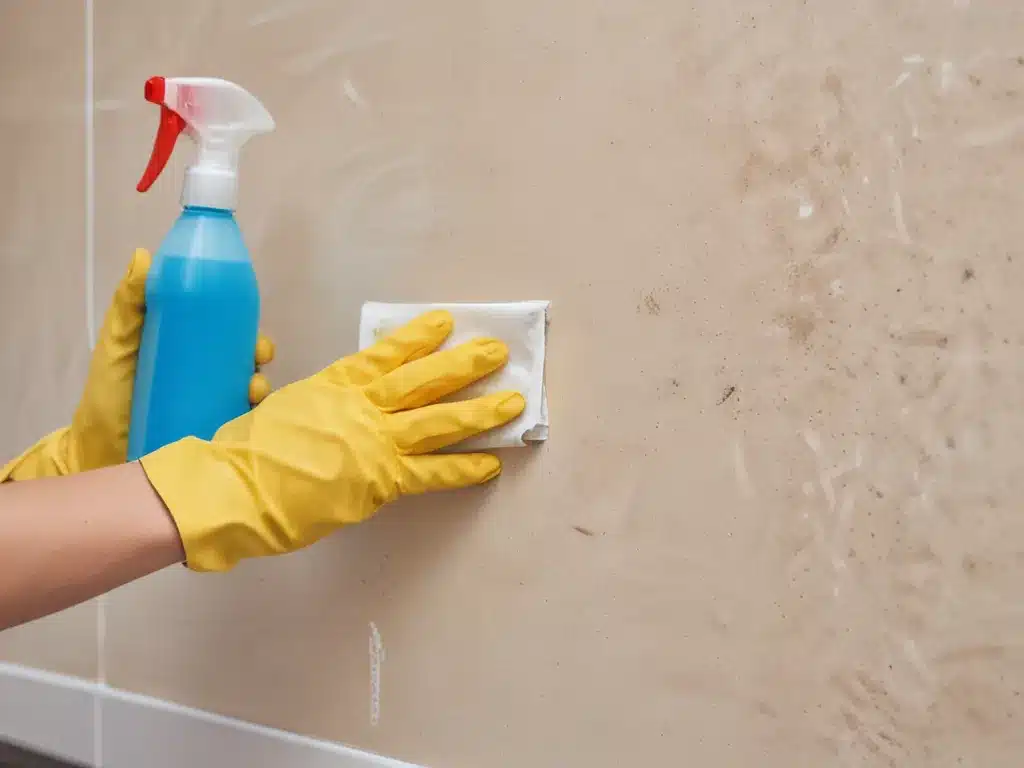
- Using a sponge, I wash walls section by section from top to bottom. I rinse frequently.
- For tougher grease stains, I gently scrub with baking soda paste or magic eraser.
- I rinse walls with clean water and wipe dry with a microfiber cloth to prevent streaks.
Tile
For ceramic tile walls:
- I spray on a degreasing tile cleaner and let sit 5 minutes.
- Using a scrub brush, I work cleaner over the tile and grout to lift grime.
- I rinse thoroughly and wipe dry with a clean cloth.
- For mildew stains in grout, I scrub with 1 part bleach to 4 parts water.
Wallpaper
To clean greasy wallpaper:
- I fill a spray bottle with 2 tbsp dish soap per 1 quart warm water.
- I spritz solution onto soiled areas and let sit 1-2 minutes.
- Using a sponge, I blot lifted grease. Avoid scrubbing to prevent damaging wallpaper.
- I do spot tests first to ensure wallpaper can withstand moisture and cleaning.
Tailoring the method to the surface prevents damage and improves cleaning effectiveness.
Tackling Smoke and Vapor Grime
The yellowish grimy film that accumulates on kitchen walls comes from cooking smoke, steam, and vapor. To remove:
- I make an ammonia cleaning solution – � cup clear ammonia per 1 gallon water.
- Working in manageable sections, I use a sponge to apply solution liberally to walls.
- Before it dries, I scrub with a damp microfiber cloth to wipe away grime.
- I give special attention to areas around the stove vent.
- I rinse thoroughly and wipe down with clean cloth.
For heavier vapor grease, I may need to repeat the process or use a liquid degreaser. Ammonia cuts through the grimy film and restores a like-new sheen.
Preventing Future Buildup and Stains
Once I’ve put in the hard work to clean kitchen walls, I want to prevent grease and grime from reaccumulating quickly. Here are some prevention tips:
- When cooking, I turn on ventilation fans and open windows to improve air flow. This reduces vapor buildup.
- I use splatter screens when frying or sautéing to contain grease pops.
- I immediately wipe spills and splatters to prevent stains setting in.
- Every 1-2 months, I do a simple cleaning with dish soap and water to prevent heavy grime buildup.
With routine light cleaning and using care when cooking, my kitchen walls stay cleaner longer after a deep cleaning session.
When to Call for Professional Help
While I can handle most grease and grime using these DIY methods, some situations may require calling in a professional:
- Severe grease saturation deep in the wall that causes permanent staining or odor
- Smoke damage from a kitchen fire requiring restoration work
- Suspected mold or mildew growth needing expert treatment
- Grease splatters on acoustic ceiling tiles that are challenging to clean
For extensive wall damage or risks from mold, it is safest to have a trained technician handle the cleaning. They have commercial-grade degreasers and tools to fully remediate issues.
Conclusion
Eliminating layered-on grease and grime from kitchen walls is very satisfying. With the right supplies and techniques for the wall surface, I can banish unsightly grease stains and restore a clean, like-new look. Staying on top of routine cleaning keeps my kitchen walls looking their best. For cleaning challenges beyond my DIY abilities, I call in professional cleaners to safely handle the tough jobs. With some elbow grease and care when cooking, I can keep my kitchen walls looking fresh.