Assess the Current Condition of Your Wood Furniture
When approaching a deep clean of wood furniture, it’s important to start by assessing the current condition of each piece. This will allow you to identify problem areas and choose the proper cleaning methods and products.
Here are some things I check when evaluating wood furniture before cleaning:
-
Type of wood – Is it finished or unfinished? Solid or veneer? Knowing the wood type helps select suitable cleaners.
-
Surface condition – Check for scratches, gouges, fading, water rings, grease buildup, wax accumulation, etc. Trouble areas may need extra attention.
-
Previous treatments – Has the wood been painted, stained, waxed, or polished? This informs the cleaning approach.
-
Hardware – Note loose joints, corroded hinges, or damaged knobs to repair or replace later.
After a thorough inspection, I’ll have a plan to tackle stuck-on grime while being gentle enough for more delicate areas. My goal is to get wood looking its absolute best.
Gather the Proper Supplies for a Deep Clean
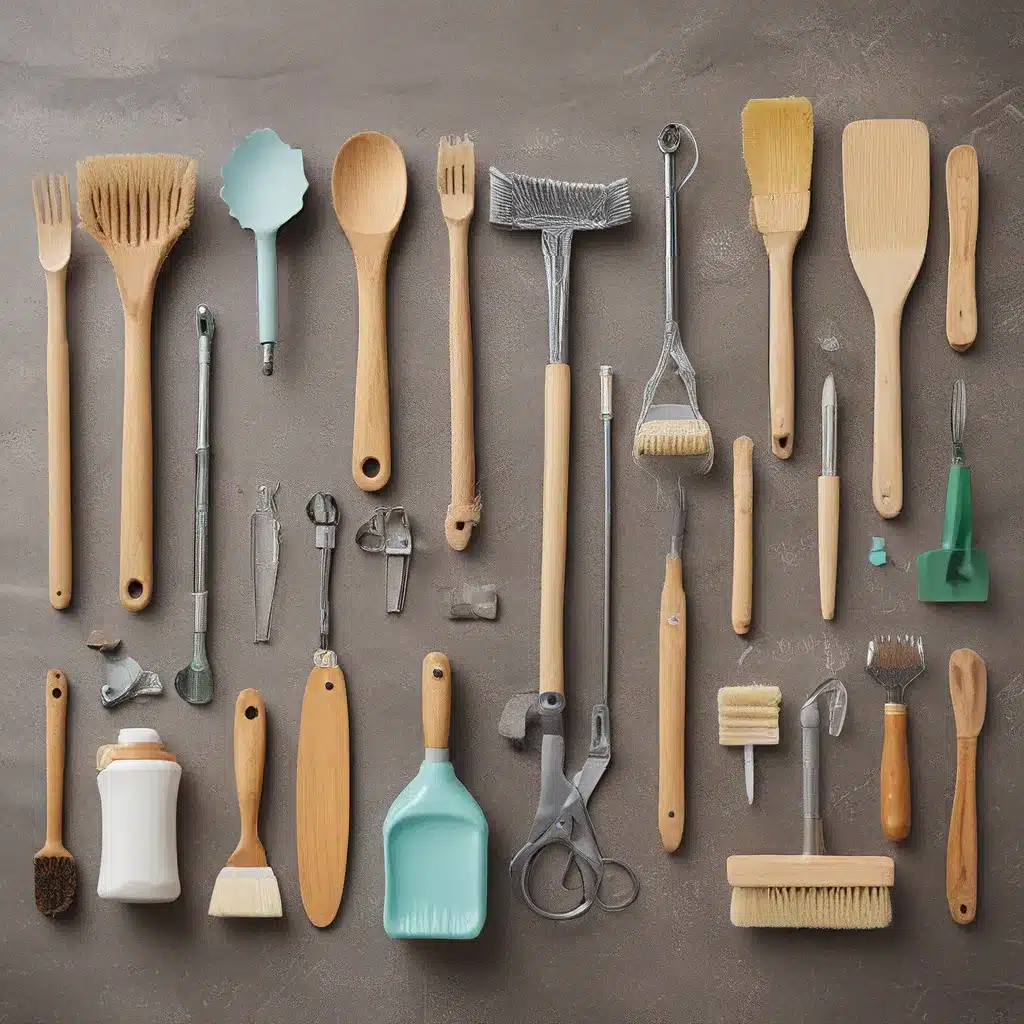
Cleaning wood furniture well requires having the right supplies on hand. Here is the checklist of materials I recommend assembling before getting started:
-
Mild detergent or soap – Avoid harsh cleaners that could strip finish.
-
Soft cloths – Old t-shirts, microfiber cloths, or cheesecloth work well.
-
Old toothbrush – For scrubbing crevices and carvings.
-
Paintbrush – To gently whisk away dust from carvings.
-
pH-neutral oil soap – For treating unfinished wood.
-
Olive/mineral oil – For conditioning unfinished wood.
-
Furniture polish – Contains wax to add shine and protection.
-
Fine steel wool – Lightly abrades grime on finished wood (000 grade).
-
Tack cloth – Picks up debris between steps.
-
Drop cloth – Protects floors from drips and spills.
With these materials ready, I’ll be equipped for the deep cleaning ahead.
Clean Wood Surfaces Thoroughly from Top to Bottom
When it’s time to clean, I start at the top of a piece and work downward to avoid drips streaking already cleaned areas. Here are the steps I follow:
-
Dust all surfaces with a paintbrush or microfiber cloth. This removes loose debris.
-
Vacuum crevices, carvings, and hardware. This pulls out embedded dust and dirt.
-
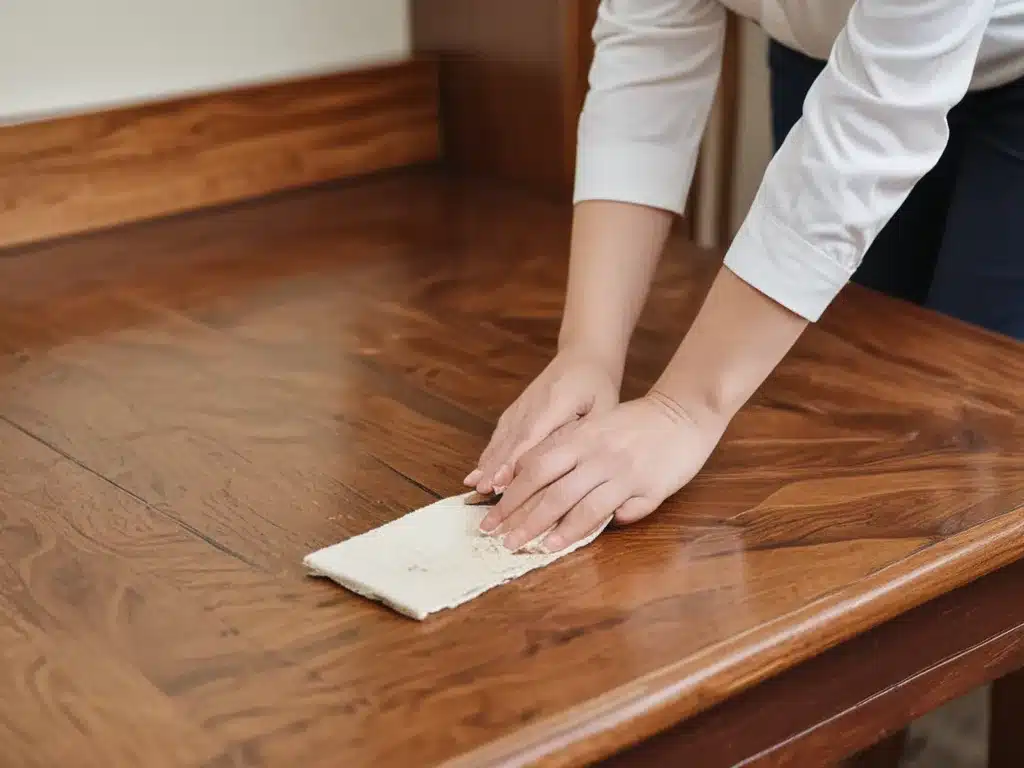
Wipe with a mild detergent solution. Use a damp cloth and gently scrub any stubborn spots.
-
Rinse with a clean, damp cloth. Go with the wood grain to avoid damaging the finish.
-
Dry immediately with a fresh towel. Preventing wet patches keeps wood from warping.
-
For unfinished wood – Wash with pH-neutral oil soap and let dry fully. Apply protective oil while wood is still slightly damp.
-
Polish and buff with a soft cloth. This adds shine and smooths any raised grain.
Take extra time on intricately carved areas. Repeating steps may be needed to lift all the dirt from crevices. But take care not to overdo abrasives on fragile corners and edges.
Address Problem Areas for a Flawless Deep Clean
After overall cleaning, it’s time to focus on trouble spots revealed during initial inspection. This extra attention gets the wood furniture as close to “like new” as possible.
Here are solutions I recommend for common wood furniture cleaning challenges:
-
Stains – Rub with a damp melamine foam sponge to gently lift stains. Test first!
-
Scratches – Use a wood marker in a matching tone for minor touch-ups. Significant scratches may require professional repair.
-
Wax buildup – Wipe with a cloth dampened in paint thinner or mineral spirits. Use safely and test first.
-
Water marks – Buff out using ultra-fine (0000) steel wool. Apply conditioner after to blend sheen.
-
Mold/Mildew – Wipe with a cloth soaked in a tea tree oil cleaner to disinfect and deodorize.
-
Grease marks – Place a paper towel over the spot and iron lightly. The heat helps break up grease.
-
Dull finish – Restore luster by rubbing a small amount of paste wax into the wood.
Addressing blemishes and damage fully cleans the wood and brings back its beauty.
Maintain the Deep Clean Results
To keep wood furniture looking freshly polished long after a deep clean, I recommend these regular care tips:
-
Dust frequently with a microfiber cloth. Regular light dusting prevents buildup.
-
Clean with polish weekly. Use a small amount and buff to protect the finish.
-
Wipe spills promptly. Water and oil both can damage wood if left sitting.
-
Avoid harsh cleaners and abrasives. Stick to mild soap and water for surface cleaning.
-
Mop floors first, then dust furniture. This stops kicked-up dust from resettling.
-
Move items occasionally. Equal light exposure prevents uneven fading.
-
Re-wax pieces annually. Wax fills micro-scratches and restores luster.
-
Consider pro refinishing when the finish looks too worn. Don’t let damage progress too far.
Following a diligent maintenance routine keeps wood furniture looking its best every day. Paired with periodic deep cleaning, these pieces will stay gorgeous for generations.
Key Takeaways for Deep Cleaning Wood Furniture
- Inspect condition and plan approach before starting
- Prepare all necessary cleaning supplies and materials
- Work top to bottom and go with the wood grain
- Address trouble spots like scratches, wax buildup, and dullness
- Maintain results using regular light dusting and waxing
With some elbow grease and the proper techniques, I can restore beautiful life to tired, grimy wood furniture. Taking the time for a thorough deep clean is well worth the effort. In no time, your beloved wood pieces will once again gleam with a warm, healthy glow.