The Importance of Squeaky-Clean Ceiling Fans
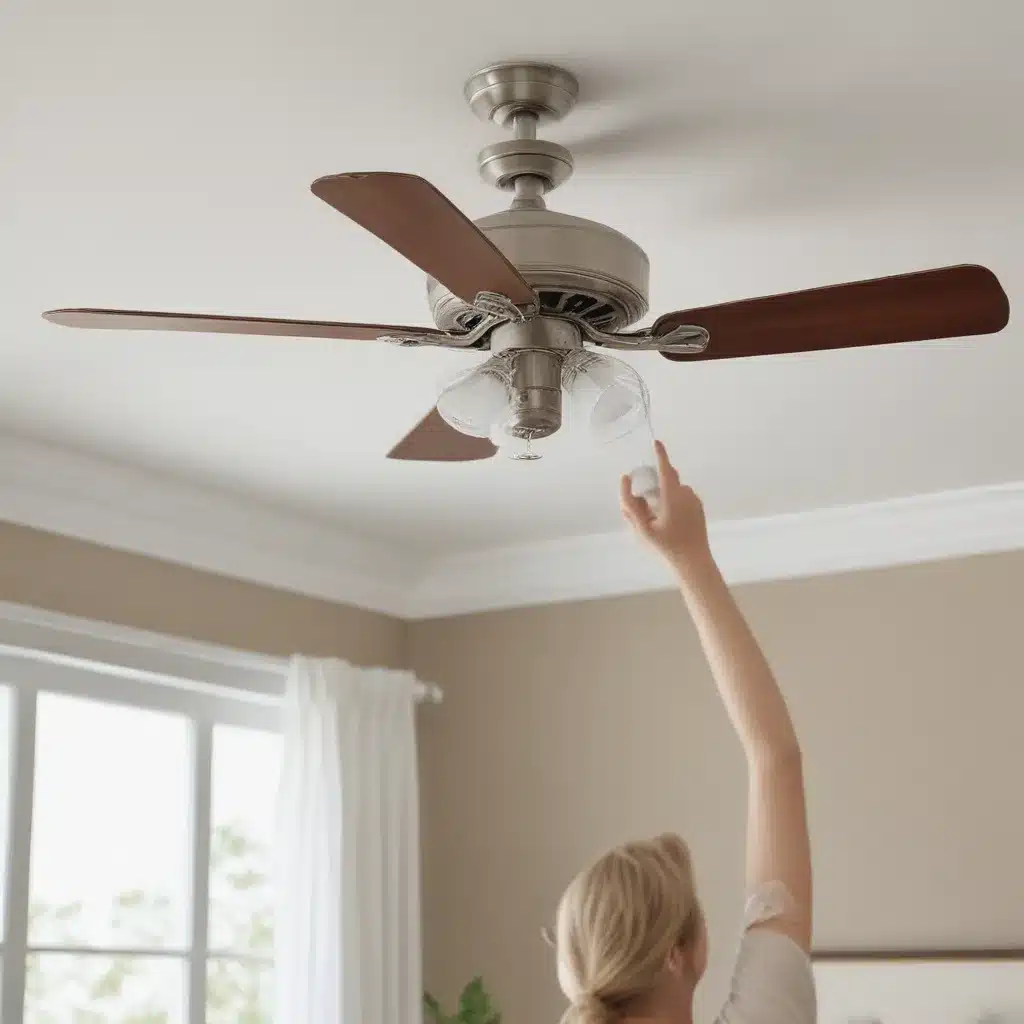
As a homeowner in Nottingham, I know all too well the struggle of keeping my living space spotless. And let me tell you, few things irk me more than a grimy, dust-caked ceiling fan. I mean, think about it – those blades are constantly whirling through the air, gathering up all sorts of unsavory particles and then redistributing them around the room. Ugh, it’s enough to make me want to duct tape that sucker to the ceiling and call it a day!
But alas, a clean and well-functioning ceiling fan is an essential part of keeping my home comfortable and healthy. After all, we spend the majority of our time indoors, and the quality of that indoor air can have a big impact on our overall well-being. That’s why I make it a point to give my ceiling fans some TLC on the regular. And let me tell you, I’ve picked up a few tricks along the way that make the process a whole lot easier (and less messy) than you might think.
Mastering the Art of Ceiling Fan Cleaning
When it comes to cleaning ceiling fans, the key is to tackle the task with a strategic, step-by-step approach. First things first, you’ll want to make sure the fan is turned off and completely cool before you even think about getting up close and personal with those blades. According to Better Homes & Gardens, trying to clean a hot, running fan is a recipe for disaster (and potentially a trip to the emergency room).
Next up, I like to give the light bulbs and any glass globes a quick wipe-down with a dry microfiber cloth. This helps to remove any built-up dust and grime, ensuring those lights are shining bright. And while I’m at it, I’ll also use a microfiber cloth to tidy up the fan’s pull chain and motor housing, making sure to give that motor a quick blast of compressed air to clear out any stubborn debris.
Now, for the main event – tackling those dusty fan blades. Merry Maids recommends using a damp microfiber cloth to gently wipe down each blade, starting from the center and working your way out towards the edges. And if your fan is particularly high up, you can try the trusty “pillowcase trick” – just slip a pillowcase over the blade and use it to trap any dust and debris as you slide it off.
Preventing Dust Buildup in the Long Run
Of course, keeping your ceiling fans in tip-top shape is an ongoing battle. That’s why it’s important to make ceiling fan cleaning a regular part of your home maintenance routine. According to the experts at Merry Maids, you should be dusting your fans every 3-4 weeks and doing a more thorough cleaning every 3 months or so. This helps to stay on top of that pesky dust and prevent it from accumulating to the point of no return.
And let’s not forget about the overall benefits of keeping your ceiling fans in pristine condition. Adam Cleaning UK knows that a clean, well-maintained fan not only looks great, but it also runs more efficiently, helping to keep your home cool and comfortable all year round. Plus, by trapping those airborne particles, you’re doing your part to improve the indoor air quality in your space – a win-win for both you and your family’s health.
Putting It All Together: A Ceiling Fan Cleaning Checklist
Alright, now that you’ve got the lowdown on ceiling fan cleaning, let’s break it down into a simple, step-by-step checklist:
- Turn off the fan and wait for the blades to come to a complete stop.
- Dust the light bulbs and any glass globes with a dry microfiber cloth.
- Wipe down the pull chain and motor housing with a microfiber cloth.
- Blast the motor with a quick burst of compressed air to clear out any debris.
- Use a damp microfiber cloth to gently wipe down each fan blade, starting from the center and working your way out.
- (For tall fans) Try the pillowcase trick to trap dust and debris.
- Check the hardware and tighten any loose screws or bolts.
- Repeat this process every 3-4 weeks for light dusting, and every 3 months for a deeper clean.
There you have it, folks – your guide to keeping those ceiling fans in tip-top shape. So grab your microfiber cloths, fire up the compressed air, and get ready to transform your home into a breezy, dust-free oasis. Trust me, your lungs (and your decor) will thank you.