Ugh, there’s nothing more frustrating than dealing with that sticky, gooey residue left behind on surfaces around the house. Whether it’s from spilled food, tape, or some other culprit, that grime can be a real pain to remove. But fear not, my fellow cleaning enthusiasts! I’m here to share some tried and true techniques that will have you saying goodbye to sticky residue for good.
Understanding the Types of Sticky Residue
First things first, let’s take a closer look at the different kinds of sticky residue you might encounter. From adhesive leftovers to food spills, each type requires a slightly different approach.
Adhesive Residue
Ah, the classic sticky situation – that stubborn gunk left behind when you peel off a sticker, label, or piece of tape. These adhesive residues can be a real nuisance, especially if they’ve had time to set in. But never fear, a little rubbing alcohol or a homemade baking soda and coconut oil paste can work wonders to dissolve and lift off that sticky mess.
Food Residue
Raise your hand if you’ve ever had a sugary, syrupy spill make a mess of your kitchen counters. Or maybe it’s that greasy film that builds up after cooking. Either way, a mixture of vinegar and water or baking soda and water can be your secret weapons for tackling those food-based sticky situations.
Grease Residue
You know the drill – you’re whipping up a delicious meal, and suddenly, there’s grease splattered everywhere. Once that stuff dries, it can be a real challenge to remove. But a little dish soap and hot water or a baking soda and vinegar paste can help cut through that slippery grime.
The Importance of Choosing the Right Cleaning Solution
Now that we’ve got a handle on the different types of sticky residue, let’s talk about choosing the right cleaning solution. After all, using the wrong product can end up doing more harm than good.
When it comes to cleaning, surface compatibility is key. You wouldn’t want to use a harsh, abrasive cleaner on a delicate marble countertop, would you? That’s a surefire way to end up with permanent damage. Instead, opt for gentler, more surface-friendly solutions.
But it’s not just about the surfaces – the health and environmental impact of your cleaning products are important too. Many commercial cleaners contain harsh chemicals that can be harmful to both you and the planet. That’s why it’s always a good idea to explore natural, eco-friendly alternatives whenever possible.
Effectiveness and cost-efficiency are also crucial factors to consider. There’s nothing worse than putting in all that elbow grease only to find that your cleaning solution just isn’t up to the task. And let’s be honest, we all want to get the best bang for our buck, right?
Homemade Remedies for Sticky Residue
Speaking of natural solutions, let’s dive into some of the best homemade remedies for tackling sticky residue. These kitchen staples are not only effective, but they’re also gentle on surfaces and easy on the wallet.
Vinegar
Ah, good old vinegar – the unsung hero of the cleaning world. This versatile liquid can work wonders on a variety of sticky situations, from glass surfaces to metal. Just mix equal parts water and vinegar in a spray bottle, let it sit for a few minutes, and wipe away that grime with ease.
Baking Soda
Baking soda is another powerhouse when it comes to removing sticky residue. Create a paste with a bit of water, apply it to the affected area, let it sit, and then scrub away. Baking soda is particularly effective on tough metal surfaces, making it a great choice for cleaning up those pesky adhesive leftovers.
Oil
Who knew that a little bit of oil could be the key to removing sticky messes? From vegetable oil to coconut oil, these natural lubricants can help dissolve and lift off even the most stubborn residues. Just apply a small amount, let it soak in, and wipe away the grime.
Rubbing Alcohol
For those sticky situations on glass or electronics, rubbing alcohol can be a real lifesaver. Simply apply a small amount to a cloth and gently rub the affected area. Just be sure to test it on a small, inconspicuous spot first to ensure it doesn’t cause any damage.
Lemon Juice
Last but not least, lemon juice is a fantastic natural cleaning agent that can tackle sticky residue with ease. Its acidic properties work to break down and dissolve those pesky adhesives, making it a great choice for plastic and other delicate surfaces.
The Power of Heat
Sometimes, a little heat is just what the doctor ordered when it comes to removing sticky residue. By using a hair dryer, boiling water, or even an iron, you can help soften and loosen that stubborn grime, making it a breeze to wipe away.
Just be sure to exercise caution when applying heat, as you don’t want to end up with any warped or damaged surfaces. Start with a lower heat setting and keep the source a safe distance from the surface you’re working on.
Scrubbing and Abrasives
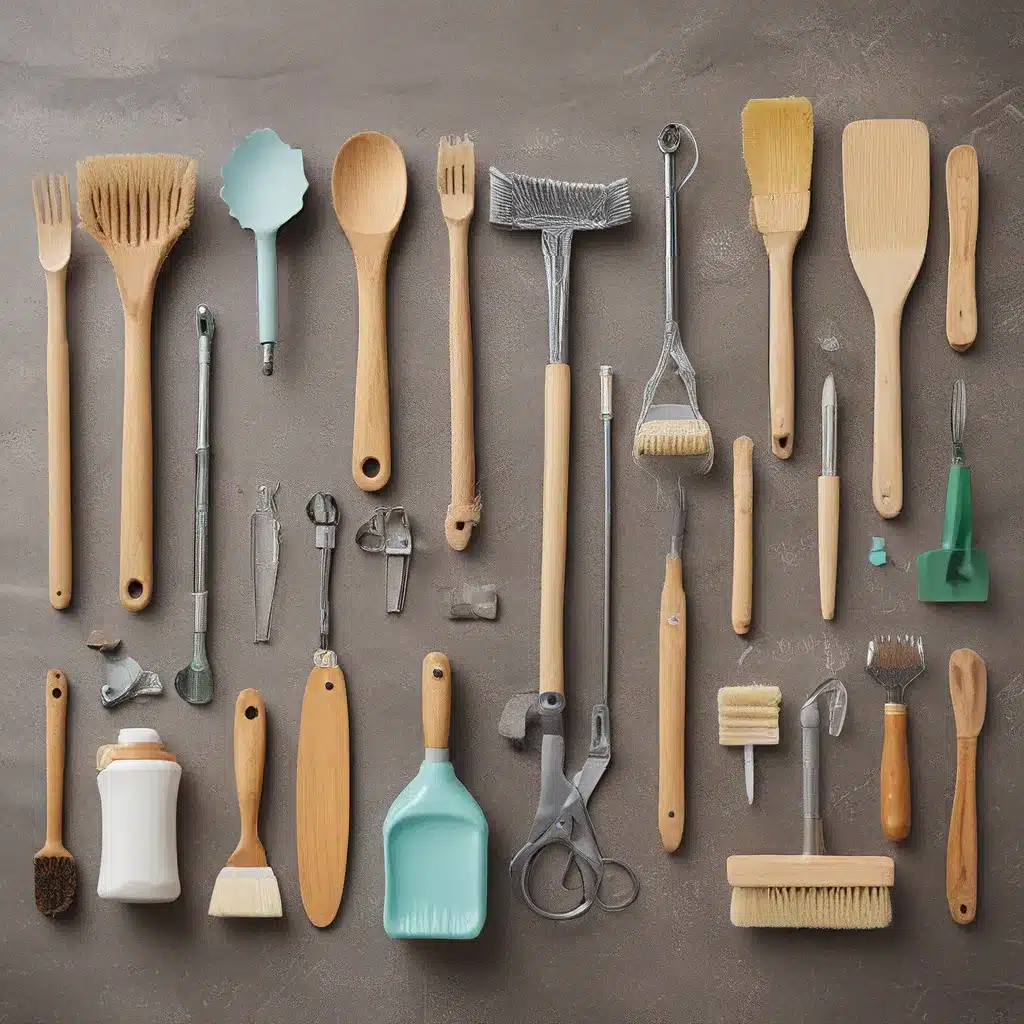
If the sticky situation is really giving you a hard time, it might be time to bring in the big guns – scrubbing and abrasives. But before you start going to town with scouring pads and powdered cleansers, it’s important to choose the right tool for the job.
Sponges, brushes, and scouring pads all have their own unique qualities, so pick the one that’s best suited for the surface you’re working on. And when it comes to abrasives like pumice stones and baking soda, remember to start with a gentle touch and work your way up if needed.
Removing Adhesive Residue from Clothing and Fabrics
Ah, the dreaded sticky clothing conundrum. We’ve all been there – you accidentally spill glue or tape on your favorite shirt or pair of pants, and suddenly you’re left with a mess that seems impossible to clean up. But don’t throw in the towel just yet!
Rubbing alcohol, vinegar, and baking soda can all be effective at breaking down and lifting off those adhesive residues. Just be sure to test any solution on a small, inconspicuous area first to make sure it doesn’t cause any discoloration or damage.
And remember, an ounce of prevention is worth a pound of cure. Try to be extra careful when using glue or tape around your clothing, and always keep them as far away as possible to avoid future sticky situations.
Cleaning Residue from Electronic Devices
In this day and age, our electronic devices are an essential part of our lives. But all that frequent use can lead to a buildup of sticky residue that can make them look and feel downright unpleasant.
Fortunately, there are a few tricks up our sleeves when it comes to cleaning up those gooey messes. Microfiber cloths, rubbing alcohol, and even a little baking soda and water can work wonders on everything from smartphones to laptops.
Just be sure to use caution when cleaning sensitive electronic surfaces, and always follow the manufacturer’s instructions to avoid any accidental damage.
Preventing Sticky Residue Build-Up
Alright, now that we’ve covered all the different techniques for removing sticky residue, let’s talk about how to prevent it from becoming a problem in the first place.
One of the key things is to act fast. The longer a spill or mess sits, the harder it will be to clean up. So as soon as you notice something sticky, get to work on it right away. A quick wipe-down with a damp cloth can go a long way in stopping that residue from setting in.
And when it comes to your cleaning products, be sure to use the right ones for the job. Choosing surface-friendly, eco-friendly solutions will not only keep your spaces looking their best, but it will also help prevent that pesky buildup of grime.
Don’t forget about some good old-fashioned elbow grease, too. Regular cleaning and maintenance can go a long way in keeping sticky situations at bay. Break out the squeegee for your shower, or consider investing in a steam cleaner to tackle those tough-to-reach areas.
When to Call in the Professionals
Now, I know I’ve shared a ton of tips and tricks for tackling sticky residue on your own, but sometimes, you just need to call in the big guns. And by that, I mean professional cleaners.
There are a few key situations where it might be worth it to bring in the pros. For starters, if you’re dealing with a large area, like an entire house or office space, it can be more efficient and effective to let the experts handle it. They’ve got the tools, equipment, and know-how to get the job done quickly and thoroughly.
And if you’re facing a specialized cleaning challenge, like a mold problem or some seriously stubborn adhesive residue, the pros are your best bet. They have the training and experience to tackle those tricky situations without causing any damage.
But it’s not just about the size or complexity of the job – your own limitations can play a role too. If you’ve got physical challenges that make cleaning difficult, or if you’re simply short on time, handing the task off to the professionals can be a real lifesaver.
Of course, you’ll also want to weigh the cost-benefit analysis. While professional cleaners may be more expensive, their expertise and efficiency can make it a worthwhile investment, especially for those tougher jobs.
So, there you have it, my friends – everything you need to know about saying goodbye to sticky grime on surfaces. Whether you’re tackling adhesive residue, food spills, or grease buildup, these techniques and tips will have you cleaning like a pro in no time.
And remember, if you’re ever in the Nottingham, UK area and need a little extra help keeping your spaces clean and sparkling, be sure to check out Adam Cleaning. They’re the experts when it comes to all things sticky residue (and so much more!).
Happy cleaning, and may your surfaces forever be free of that gooey, gummy grime!