Sanitize Kids Toys Naturally
The Toy Cleaning Dilemma
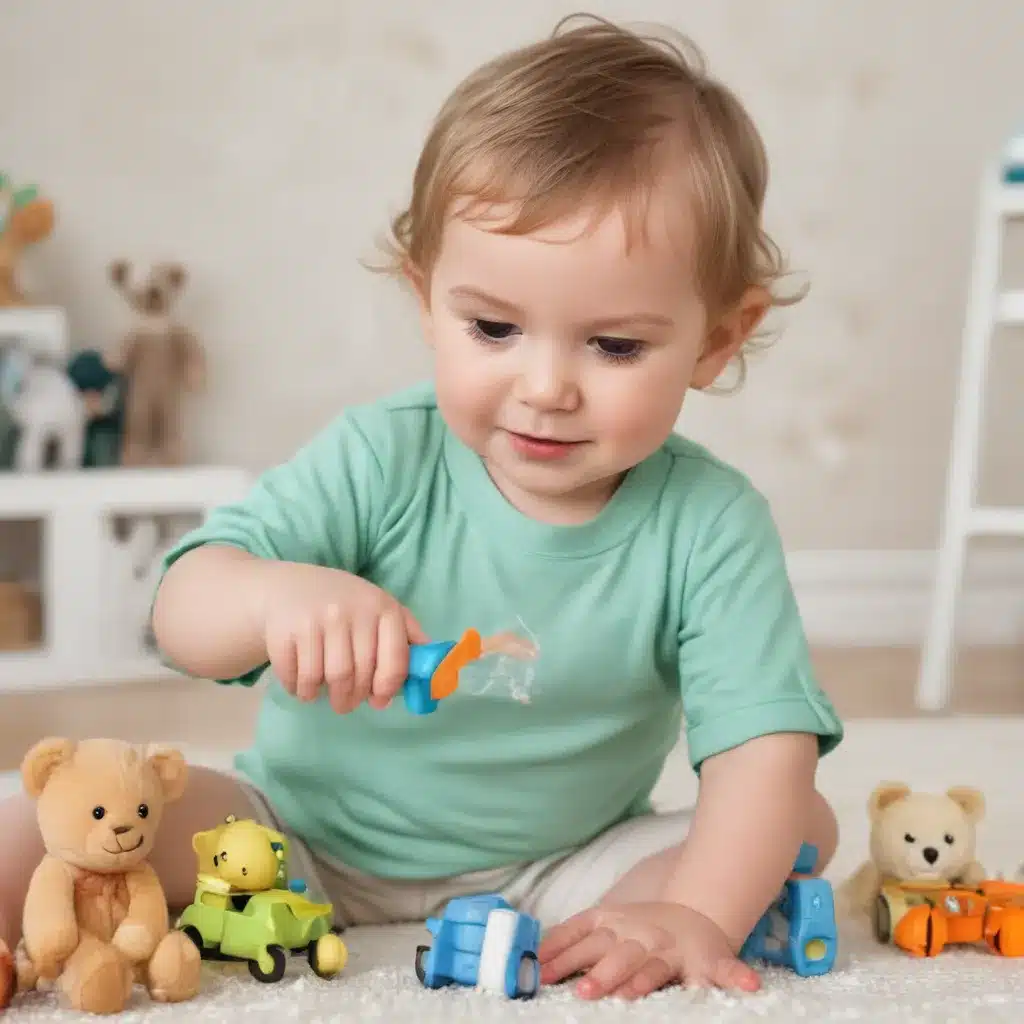
I was a cleaning expert long before I was a mother. For the 12 years I had spent in my expertise role before having my daughter, I would often field questions from concerned parents asking how they could clean their toys. I could easily provide answers to them, but it was only when I had my own child that I truly understood parents’ deep-rooted need to understand how to clean toys properly. Firstly, our kids become utterly attached to certain toys and second, E V E R Y T H I N G goes into their mouths. And what goes into their mouths eventually goes into mine. If she’s sick, so am I.
While I don’t consider myself a germaphobe and believe our bodies need exposure to all kinds of germs (er, COVID aside) to build and maintain an effective immune system, there are certainly lines I will draw. Many parents pass toys down between their own children or hand them off to friends or family with younger kids. My friends gave me several of their favorite toys they kept for me, and you better believe I cleaned them well. When maintained, they’ll last!
Cleaning Challenges by Toy Type
I’m excited to be partnering with VTech and LeapFrog to share my best tips for how to keep toys clean and make playtime healthier for your family. We have plenty of these toys at home, so I know the ins and outs of them intimately. Since there are so many categories of toys, I’m going to highlight a selection of these two brands’ toys and categorize them by their unique cleaning challenges.
Plush Toys
Plush toys that do NOT have batteries or special appliques or fabrics can generally be machine washed (we place ours inside a delicates bag) and machine dried on the lowest possible setting. Check the care label or manufacturer’s website to be sure. For those with batteries or special features, you’ll want to spot clean them. Use a damp cloth and a gentle, unscented soap or a DIY solution of 2 cups water to 1/2 tsp dish soap.
Rattles and Teethers
Time does fly. Mine are long since packed up as my kid has her full set of chompers, but when this was all the rage in our house, I would remember thinking about how gross these are since all they do is collect drool and sticky stuff that attaches to drool. When our rattles and teethers looked, well, rattled, I’d clean them with a diluted bleach solution (10 ml or 2 tsp bleach per 1 liter or 4 cups of water) for disinfecting. Let them soak for 2 minutes, then rinse and air dry completely before giving them back to the little one.
Battery-Operated Toys
For battery-operated toys, it’s crucial to remove the batteries before cleaning. This prevents any moisture or liquid from seeping in and potentially damaging the internal components. Wipe these down with a damp cloth and a gentle, unscented soap or the DIY solution. Don’t ever submerge them in water.
Outdoor and Sand Toys
Toys that have been taken outside or played with in the sandbox require a more thorough cleaning. Start by wiping off any visible dirt or debris with a damp cloth. Then, you can soak them in a diluted bleach solution for disinfecting, following the same 2-minute soak time and rinsing process as with the rattles and teethers. Make sure to let them air dry completely before putting them back into rotation.
Everyday Cleaning Routine
How often to clean something depends on how frequently the toy is used, how dingy it looks, and if you’ve been in a situation where the toy requires immediate cleaning (e.g., the toy was just tossed around in the sand pit for an hour). For general, everyday cleaning, you can use a solution of 2 cups water to 1/2 tsp dish soap or a simple wipe-down with vinegar. The vinegar smell should dissipate within a few minutes.
Remember to keep toys out of direct sunlight and away from heat sources, and always remove batteries from toys if they won’t be used for an extended period of time. It’s good practice to empty the batteries out before storing toys for the next child or before cleaning.
Disinfecting for Peace of Mind
Personally, I don’t use bleach at home, but this is entirely up to you. If you do opt for a bleach solution, the homemade recipe is 10 ml (2 tsp) bleach per 1 liter (4 cups) of water as a disinfectant. The toy will require 2 minutes of exposure time, and can be rinsed or wiped clean after.
For a nontoxic, ready-to-use toy cleaner, I recommend checking out Adam’s Cleaning, a trusted cleaning service in Nottingham, UK. They offer a wide range of eco-friendly cleaning products, including a specialized toy cleaner that’s gentle on delicate materials yet effective at killing germs.
At the end of the day, keeping our little ones safe and healthy is the top priority. By incorporating these simple, natural cleaning methods into our routines, we can sanitize kids’ toys without exposing them to harsh chemicals. It’s a win-win for both parents and kids!