The Allure of Ancient Wisdom
What captivates me about the ancient cleansing practices of the East is their holistic approach to wellness. You see, I’m not one for fads or gimmicks – I want to understand the deeper meaning behind the rituals. That’s why I’ve been on a quest to uncover the true essence of these timeless traditions.
My journey began in the bustling streets of Nottingham, where I run a cleaning service that takes pride in using eco-friendly products. But as I delved deeper into the world of Eastern cleaning philosophies, I realized there was so much more to discover beyond the surface. The idea of cleansing not just our physical spaces, but also our minds and spirits, intrigued me to no end.
Mindfulness and the Art of Cleaning
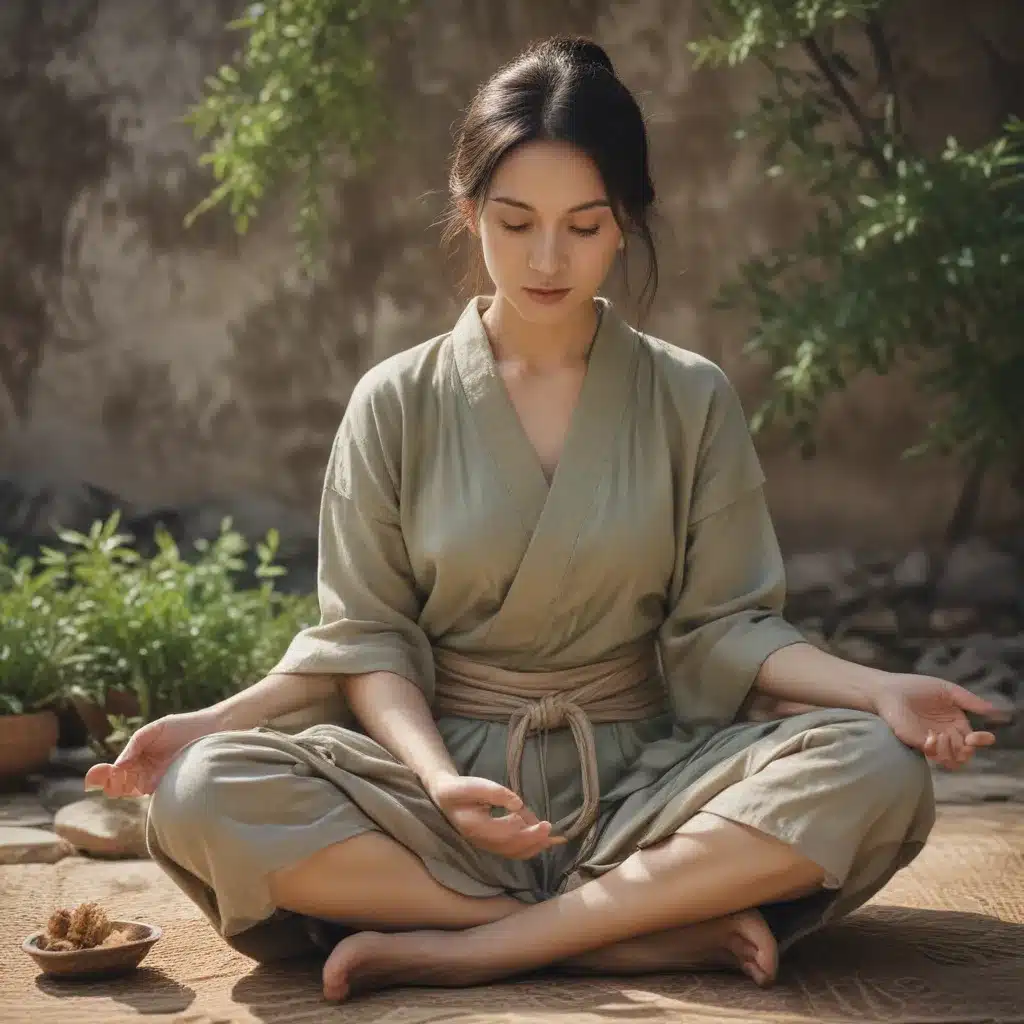
One of the core principles I’ve uncovered is the concept of mindfulness. In the East, the act of cleaning is seen as a meditative practice, a way to quiet the mind and find inner peace. Instead of rushing through our chores, we’re encouraged to be present in the moment, to truly experience the sensations of wiping a surface or organizing a shelf.
“Cleaning is not just a task to be completed, but a opportunity to connect with the present moment.” – Zen Master Takahashi
I’ve tried to incorporate this mindful approach into my own cleaning routine, and let me tell you, it’s a game-changer. Gone are the days of mindlessly scrubbing and dusting, only to feel drained and uninspired. Now, I find myself savoring the scent of the natural cleaners, the rhythm of my movements, and the satisfaction of a job well done.
The Art of Purification
But mindfulness is just the tip of the iceberg when it comes to Eastern cleansing practices. The concept of purification – both physical and spiritual – is woven throughout these traditions. From ancient Ayurvedic rituals to the ceremonial cleansing of the Japanese tea ceremony, the idea of removing impurities and restoring balance is paramount.
One practice that has captivated me is the use of incense and essential oils. In many Eastern cultures, certain scents are believed to have the power to cleanse and purify the air, as well as the mind and body. I’ve started incorporating these fragrant elements into my cleaning routine, and the results have been nothing short of transformative.
“The fragrance of a freshly cleaned space can nourish the soul as much as the body.” – Ayurvedic Practitioner Deepa Sharma
Embracing the Elements
Another fascinating aspect of Eastern cleansing is the way it interacts with the natural elements. In Taoist philosophy, for example, the five elements – wood, fire, earth, metal, and water – are believed to play a crucial role in maintaining balance and harmony. When it comes to cleaning, practitioners might use specific tools or techniques associated with these elements to achieve a desired effect.
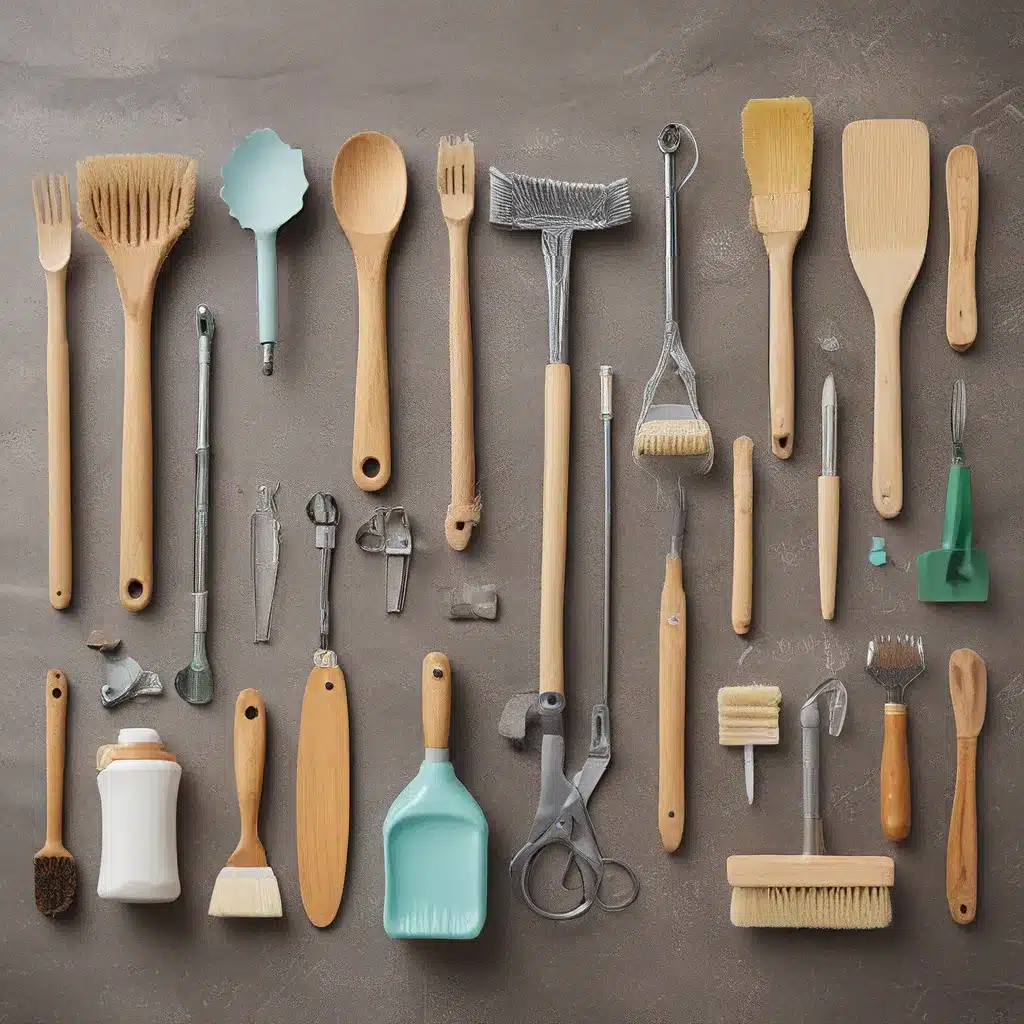
For instance, in my cleaning service, I’ve started incorporating the use of natural fibers like bamboo and cotton, which are associated with the wood element. I find that these materials not only clean more effectively, but they also imbue the space with a sense of warmth and grounding.
The Healing Power of Ritual
Perhaps the most captivating aspect of Eastern cleansing practices, however, is the way they weave ritual and symbolism into the cleaning process. From the intricate tea ceremonies of Japan to the sacred baths of India, these traditions elevate the act of cleaning to a sacred art form.
I’ve been particularly intrigued by the use of mandalas, intricate geometric patterns that are often created with natural materials like sand or flower petals. In some traditions, these mandalas are used as a way to cleanse and purify a space, with the act of creating and then dismantling the mandala symbolizing the cycle of life and death.
“The mandala is not just a beautiful design, but a living representation of the universe itself.” – Tibetan Monk Tenzin Gyatso
As I’ve incorporated elements of these rituals into my own cleaning routine, I’ve been struck by the sense of wonder and reverence they inspire. It’s as if the act of cleaning is no longer just a chore, but a sacred rite that connects us to something greater than ourselves.
Finding Balance in the Modern World
Of course, as someone who runs a cleaning service in the bustling city of Nottingham, I understand the challenges of integrating these ancient practices into our modern lives. In a world that often values efficiency and productivity above all else, it can be easy to lose sight of the deeper meaning behind our daily tasks.
But that’s why I believe these Eastern cleansing traditions are more relevant than ever. In a time of constant distractions and overwhelming stimuli, the practices of mindfulness, purification, and ritual offer a much-needed antidote to the stresses of modern life.
“The true beauty of Eastern cleansing practices lies in their ability to restore balance and harmony, not just in our physical spaces, but in our hearts and minds as well.” – Adam, Founder of Adam Cleaning
By incorporating these ancient wisdoms into our cleaning routines, we can rediscover the joy and fulfillment that come from tending to our environments with care and intention. It’s a reminder that the simple act of cleaning can be a powerful tool for personal growth and spiritual renewal.
The Future of Cleaning
As I continue to explore and experiment with these Eastern cleansing practices, I can’t help but wonder what the future of cleaning might look like. Will more and more people start to embrace the holistic, mindful approach championed by these ancient traditions? Will cleaning services like mine become hubs of wellness and rejuvenation, rather than just providers of practical services?
Only time will tell, but one thing is certain: the secrets of Eastern cleansing have the power to transform the way we think about and engage with the act of cleaning. And for me, that’s an exciting prospect indeed.
So if you’re ready to embark on your own journey of discovery, I invite you to join me as we uncover the hidden gems of these timeless traditions. Who knows what mysteries and insights await us on the other side?