Uncovering the Hidden Joys of Household Chores
As I sit here, sipping my morning coffee and gazing out the window at the bustling streets of Nottingham, I can’t help but reflect on the deep-rooted traditions that have shaped the way we approach the often-mundane task of cleaning. You see, I’m not your average cleaning enthusiast – I’m a storyteller, a connoisseur of the unique and the extraordinary hidden within the everyday.
Let me take you on a journey through the ages, where the tools of our trade were once the prized possessions of our ancestors. Imagine the rhythmic scrubbing of a washboard, the satisfying clang of a well-worn metal bucket, and the warm scent of lemon-infused suds wafting through the air. These are the sensory delights that have captivated generations, transforming the chore of cleaning into a meditative ritual, a sacred dance that connects us to the past.
But why, you might ask, should we even bother with these old-fashioned techniques when we have the convenience of modern appliances and cleaning products at our fingertips? Ah, my friend, that’s where the true magic lies. By reconnecting with the traditions of our forebears, we unlock a profound sense of purpose and connection that can breathe new life into even the most mundane of tasks.
Reclaiming the Lost Art of Handwashing
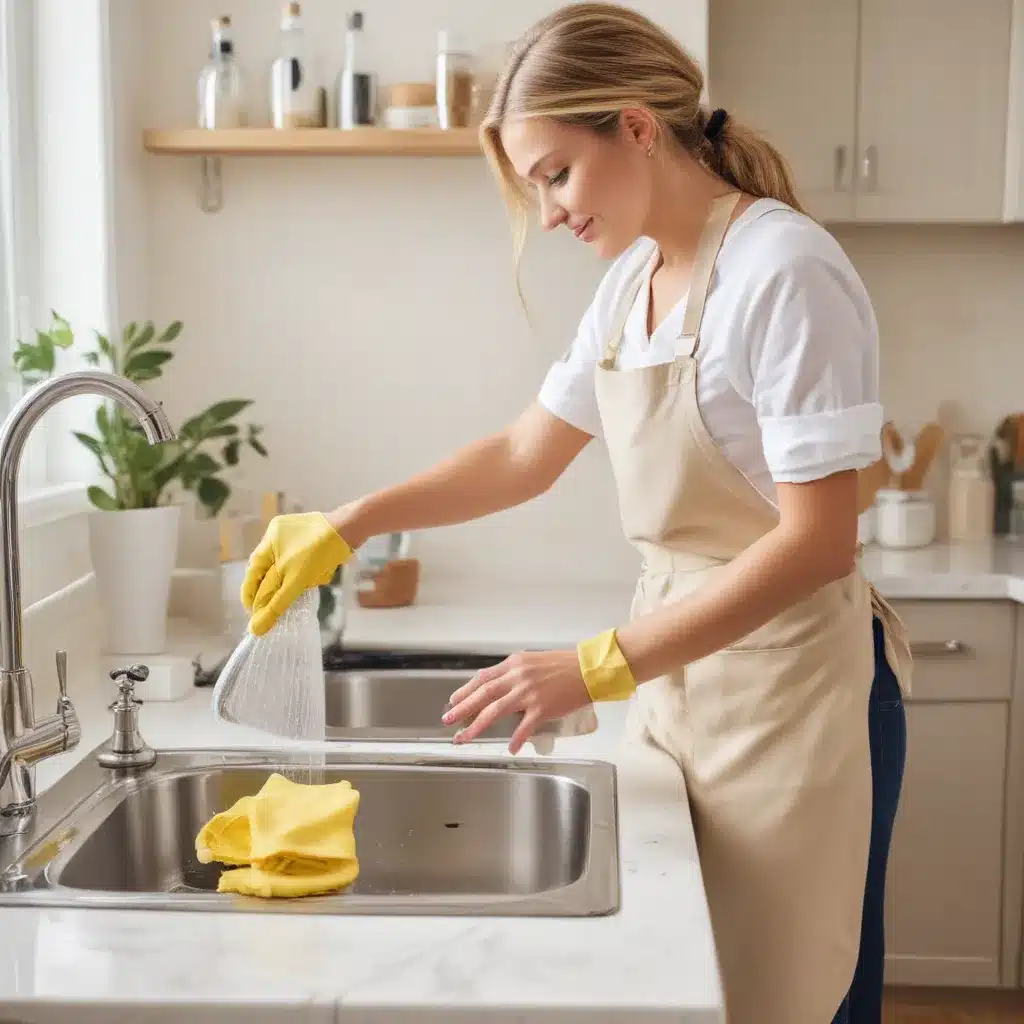
Picture this: it’s a crisp autumn morning, and you’re standing at the sink, your hands submerged in warm, soapy water. The rhythmic sloshing and the gentle scrubbing of fabric against fabric become a calming symphony, a meditation in motion. As you carefully tend to each item, you can almost feel the weight of the day’s worries being lifted from your shoulders. It’s a transformative experience that transcends the simple act of cleaning – it’s a reclamation of a lost art, a reconnection with the tactile pleasures that our ancestors once cherished.
But handwashing is not just a nostalgic indulgence; it’s a practical and eco-friendly alternative to the energy-guzzling, chemical-laden methods of modern laundering. By taking the time to hand-wash your delicates and specialty items, you not only extend their lifespan but also reduce your environmental impact. It’s a small but meaningful step towards a more sustainable future, one that honors the wisdom of the past while embracing the realities of the present.
Rediscovering the Joy of Scrubbing and Polishing
Now, let’s talk about the satisfying art of scrubbing and polishing – a practice that has been perfected over centuries, yet often overlooked in our fast-paced, disposable world. Imagine the feeling of running your hands over a freshly scrubbed surface, the grime and tarnish giving way to a gleaming, unblemished finish. It’s a tactile delight, a sensory experience that engages both the body and the mind, reminding us of the inherent pleasure in a job well done.
But the benefits of this time-honored technique go far beyond mere aesthetics. By taking the time to meticulously clean and polish our homes, we’re not only preserving the integrity of our possessions but also cultivating a sense of pride and ownership. It’s a way of honoring the craftsmanship and artistry that went into creating the objects that surround us, a silent acknowledgment of the care and attention that our ancestors poured into their work.
And let’s not forget the meditative qualities of this practice. As you methodically scrub and polish, your mind naturally slips into a state of zen-like focus, allowing you to momentarily escape the distractions of the modern world and find solace in the present moment. It’s a form of active mindfulness, a way of reconnecting with your senses and cultivating a deeper appreciation for the material world around you.
Embracing the Rhythms of Sweeping and Dusting
But the traditions of household cleaning don’t stop at handwashing and polishing – they extend to the gentle, rhythmic motions of sweeping and dusting as well. Imagine the soothing cadence of a broom gliding across the floor, the soft whisper of a duster caressing the surfaces of your cherished trinkets. These are the symphonies of our domestic lives, the steady beat that anchors us to the timeless rituals of our ancestors.
Yet, in our hurried world, these simple pleasures often fall by the wayside, replaced by the impersonal efficiency of modern cleaning tools and products. But what if I told you that by embracing the age-old techniques of sweeping and dusting, you could rediscover a sense of grounding and purpose that eludes us in our fast-paced lives?
Picture yourself gliding a feather duster across the intricate carvings of an antique armoire, your movements slow and deliberate, your mind utterly focused on the task at hand. As the dust gently settles, you can almost feel the weight of history lifting from the object, as if you’re uncovering a hidden story with every stroke. It’s a meditative practice that connects you to the generations who have come before, reminding you of the timeless rhythms that have sustained us through the ages.
Unlocking the Therapeutic Power of Cleaning
But the true magic of these cleaning traditions extends far beyond the physical realm – it’s a journey of self-discovery and personal growth. You see, the act of cleaning is not just about maintaining a tidy home; it’s a powerful tool for cultivating mindfulness, reducing stress, and even boosting our overall well-being.
As I meticulously scrub the tiles in my bathroom or carefully fold the freshly laundered linens, I can’t help but feel a sense of calm and focus wash over me. It’s as if the rhythmic motions and the sensory experience of cleaning allow my mind to quiet the constant chatter and find respite in the present moment. And the best part? I’m not alone in this; countless studies have shown the therapeutic benefits of cleaning, from reducing anxiety and depression to improving cognitive function and even boosting our immune system.
But the real gift of these cleaning traditions lies in their ability to connect us to something greater than ourselves. By immersing ourselves in the timeless rituals of our ancestors, we tap into a wellspring of collective wisdom and resilience that can help us navigate the challenges of modern life. It’s a reminder that we’re part of a larger tapestry of human experience, and that the simple act of keeping our homes clean and orderly can be a powerful act of self-care and self-expression.
Embracing the Future of Cleaning with Tradition
As I look around my meticulously cleaned and organized home, I can’t help but feel a sense of pride and accomplishment. But it’s not just the gleaming surfaces and the fresh, inviting scent that fill me with joy – it’s the knowledge that I’m carrying on the traditions of generations before me, honoring the wisdom and artistry of our ancestors.
And as I contemplate the future of cleaning, I see a world where these time-honored techniques coexist harmoniously with the latest technological advancements. Imagine a future where smart home systems work in tandem with our own hands-on cleaning rituals, where the convenience of modern tools is balanced by the therapeutic benefits of manual labor.
It’s a future that celebrates the best of both worlds, where we can harness the power of innovation while still preserving the sacred traditions that have sustained us for centuries. And who knows, perhaps one day, the rhythmic scrubbing of a washboard or the gentle caress of a feather duster will become the new markers of a truly mindful and sustainable lifestyle – a testament to the enduring power of our collective cleaning heritage.
So, as you embark on your own cleaning journey, I invite you to embrace the rich tapestry of traditions that have come before us. Slow down, savor the moment, and let the timeless rhythms of cleaning become a source of solace, inspiration, and personal growth. For in the end, the true magic of a clean and orderly home lies not in the end result, but in the journey we take to get there.