The Endless Pursuit of Cleanliness
I’ve always been fascinated by the art of cleaning – the way a simple swipe of a cloth can transform a grimy surface into a sparkling canvas, the satisfaction of tackling a stubborn stain and emerging victorious. As the founder of Adam Cleaning, a Nottingham-based cleaning services company, I’ve had the privilege of delving into the global landscape of cleaning techniques, uncovering a tapestry of traditions and innovations that have the power to purify and uplift any space.
In this extensive exploration, I invite you to join me on a journey through the most captivating global cleaning methods, each one a testament to the ingenuity and dedication of cleaning professionals around the world. From the meticulous precision of the Japanese to the aromatic allure of Middle Eastern practices, we’ll uncover the secrets that elevate cleaning from a mundane task to a transformative experience.
The Japanese Art of Decluttering and Zen Cleaning
When it comes to the art of cleaning, the Japanese have long been revered for their meticulous approach. The Japanese cleaning philosophy, often referred to as “Zen cleaning,” is rooted in the principles of mindfulness, simplicity, and a deep respect for the environment.
At the heart of this tradition lies the concept of “decluttering,” a practice that goes beyond just tidying up. It’s about creating a harmonious and intentional living space, one that reflects the owner’s values and promotes a sense of calm and focus. Through the systematic removal of unnecessary items, the Japanese believe that they can cultivate a sense of clarity and inner peace.
One of the key techniques in this approach is the “KonMari method,” named after the renowned Japanese organizing consultant, Marie Kondo. This meticulous system encourages individuals to hold each possession and ask themselves, “Does this spark joy?” If the answer is no, the item is carefully removed, donated, or recycled. The result is a streamlined and visually appealing space that allows the occupant to truly appreciate the remaining possessions.
But the Japanese cleaning techniques extend far beyond decluttering. The attention to detail and the use of natural, eco-friendly cleaning products are hallmarks of this tradition. From the delicate wiping of surfaces with a damp cloth to the precise folding of linens, every action is carried out with a sense of reverence and intention.
Interestingly, the Japanese approach to cleaning is not just about the physical space but also the mental and emotional well-being of the individual. The act of cleaning is seen as a form of meditation, a chance to quiet the mind and connect with the present moment. By immersing oneself in the rhythmic motions of cleaning, the Japanese believe they can achieve a state of mindfulness and inner peace.
Aromatic Allure: Middle Eastern Cleaning Traditions
While the Japanese cleaning techniques emphasize simplicity and mindfulness, the Middle Eastern cleaning traditions offer a more sensory-driven experience. These practices are infused with the captivating aromas of essential oils and the soothing sounds of traditional music, creating a truly immersive cleaning ritual.
At the heart of this tradition lies the use of natural, plant-based cleaning products that not only effectively purify surfaces but also infuse the air with a soothing and uplifting fragrance. From the earthy scent of frankincense to the citrusy notes of lemon, these aromatic compounds have been used for centuries to cleanse and energize living spaces.
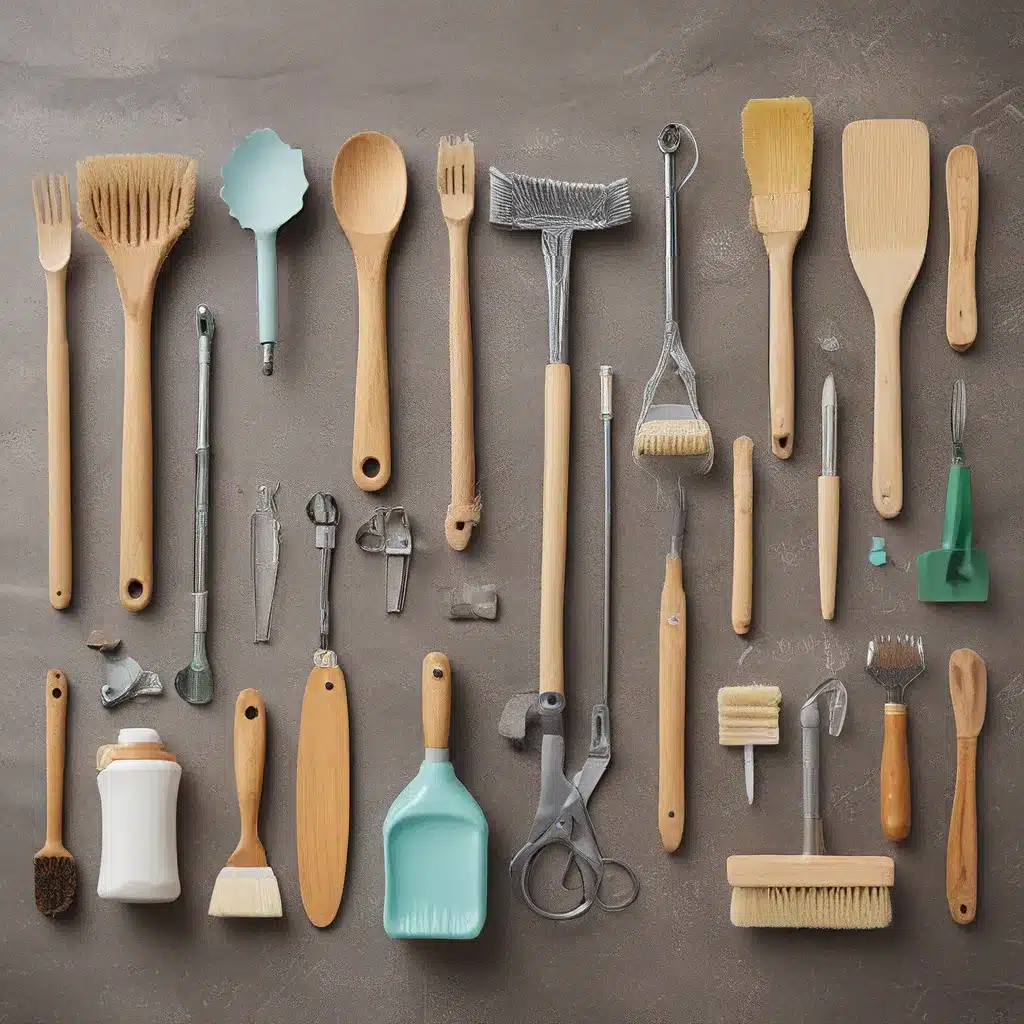
One of the most iconic Middle Eastern cleaning practices is the use of a “Misriah,” a traditional cleaning tool that resembles a broom but with a unique twist. The Misriah is crafted from natural fibers, such as palm leaves or plant stems, and is often adorned with colorful tassels or beads. As the Misriah is gently swept across the floor, it not only removes dirt and debris but also disperses the aromatic oils that have been infused into the fibers.
The integration of music into the cleaning process is another fascinating aspect of the Middle Eastern tradition. The rhythmic beats of traditional instruments, such as the oud or the daf, serve as a soothing backdrop to the cleaning ritual, creating a calming and meditative atmosphere. As the melodic tunes fill the air, the act of cleaning becomes a sacred and transformative experience.
Moreover, the Middle Eastern cleaning rituals often incorporate the use of incense, which is believed to purify the air and promote a sense of spiritual well-being. The gentle wafting of fragrant smoke, coupled with the aromatic cleaning products, creates a truly sensory-rich environment that can uplift the mood and energy of the space.
The Scandinavian Minimalist Approach
In contrast to the meticulous attention to detail found in the Japanese cleaning tradition, the Scandinavian approach to cleaning emphasizes the beauty of simplicity and minimalism. This Nordic philosophy is rooted in the belief that a clean, uncluttered space not only promotes physical well-being but also nurtures mental clarity and emotional balance.
The Scandinavian cleaning method is characterized by the use of natural, eco-friendly cleaning products that are free from harsh chemicals and synthetic fragrances. Instead, these cleaning solutions often incorporate the gentle, soothing scents of essential oils, such as lavender or tea tree, which not only purify but also provide a sense of calm and relaxation.
One of the hallmarks of the Scandinavian cleaning approach is the emphasis on decluttering and creating a serene, minimalist environment. Much like the Japanese KonMari method, the Scandinavian cleaning ritual involves carefully evaluating each item in the space and determining its true purpose and value. By removing unnecessary clutter, the Scandinavians believe that they can foster a sense of clarity, focus, and well-being.
But the Scandinavian cleaning philosophy extends beyond just the physical space. It also encompasses the idea of embracing the natural rhythms of the day and the changing seasons. In the Scandinavian tradition, cleaning is not just a chore but a way of honoring the cycles of nature and creating a harmonious lifestyle.
For instance, during the long, dark winters, Scandinavians may focus on deep cleaning and organizing their homes, creating a cozy and inviting sanctuary. As the days grow longer and the weather warms, the cleaning rituals may shift to incorporate more outdoor activities, such as tending to the garden or airing out the home.
The Art of Steam Cleaning: A Global Perspective
One of the most versatile and effective cleaning techniques that has gained global recognition is the art of steam cleaning. This innovative approach to cleaning utilizes the power of superheated steam to tackle a wide range of surfaces and stains, from carpets and upholstery to hard floors and tiles.
The beauty of steam cleaning lies in its ability to harness the natural cleansing properties of water, without the need for harsh chemical agents. By heating water to high temperatures, the steam is able to penetrate deeply into fabrics and porous surfaces, effectively breaking down and removing dirt, grime, and even stubborn stains.
Interestingly, the origins of steam cleaning can be traced back to various regions around the world, each with its own unique take on the technique. In Europe, for instance, steam cleaning has been a staple of professional carpet and upholstery cleaning for decades, with specialized equipment and techniques developed to ensure a thorough and efficient cleaning process.
Meanwhile, in Asia, the use of steam-based cleaning methods has been integral to traditional textile and garment care. From the delicate kimonos of Japan to the ornate carpets of the Middle East, steam cleaning has been employed as a gentle yet effective way to maintain the integrity and vibrancy of these precious fabrics.
One of the most fascinating aspects of the global steam cleaning landscape is the way in which different cultures have adapted the technique to suit their unique needs and preferences. In the United States, for example, steam cleaning has become a popular DIY solution for homeowners, with a wide range of compact, user-friendly steam cleaners available on the market.
Conversely, in parts of Asia and the Middle East, steam cleaning is often integrated into more comprehensive cleaning rituals, where it is combined with the use of natural, aromatic cleaning compounds and traditional tools, such as the Misriah broom mentioned earlier.
Regardless of the regional variations, the fundamental principles of steam cleaning remain the same: the ability to deep clean and sanitize surfaces without the use of harsh chemicals, all while promoting a healthier and more sustainable living environment.
Cleaning as a Spiritual Practice: The Indian Perspective
In the vast and diverse landscape of global cleaning traditions, the Indian approach stands out as a unique blend of practical necessity and profound spiritual significance. For many in the Indian subcontinent, the act of cleaning is not merely a task to be completed, but a sacred ritual that honors the connection between the physical and the metaphysical.
At the heart of this tradition is the belief that cleanliness is a reflection of inner purity and a means of purifying both the body and the soul. This holistic perspective on cleaning is deeply rooted in the rich tapestry of Indian cultural and religious practices, where the sanctity of the home and the harmony of the individual are inextricably linked.
One of the most iconic examples of this spiritual approach to cleaning is the centuries-old tradition of “Rangoli,” the intricate and colorful patterns created on the floors of homes and public spaces. These elaborate designs, often made with natural pigments and materials, are not only aesthetically pleasing but are also believed to promote auspiciousness and ward off negative energies.
The practice of Rangoli is just one aspect of the broader Indian cleaning tradition, which encompasses a variety of rituals and techniques that are deeply infused with spiritual significance. From the ritual cleansing of the body with aromatic oils and herbs to the purification of the home with the smoke of sacred incense, every step in the cleaning process is imbued with a sense of reverence and intentionality.
Interestingly, the Indian approach to cleaning also extends beyond the physical realm, encompassing the energetic and vibrational aspects of the environment. The strategic placement of specific objects and the use of natural materials, such as copper and brass, are believed to help balance the energy of a space and promote overall well-being.
As I delve deeper into the nuances of the Indian cleaning tradition, I’m struck by the profound ways in which it integrates the practical, the aesthetic, and the spiritual. It’s a testament to the human capacity to elevate even the most mundane of tasks into a transformative and meaningful experience.
Cleaning for the Soul: The Ritual Cleansing of the Home
Across cultures and continents, the concept of “cleaning for the soul” has emerged as a powerful and transformative practice, one that transcends the mere physical act of removing dirt and grime. This notion, deeply rooted in various spiritual and philosophical traditions, invites us to consider the cleaning process as a means of purifying not just our living spaces, but our very being.
In many indigenous cultures, the cleaning of the home is seen as a sacred ritual, a way to honor the energetic and spiritual essence of the space. The indigenous peoples of the Americas, for instance, have long incorporated the burning of sage, also known as “smudging,” as a means of cleansing and clearing the air of any negative or stagnant energies.
Similarly, in the Shinto tradition of Japan, the act of cleaning is viewed as a form of reverence and respect for the natural world. By meticulously tending to every corner of their homes, the Japanese believe they are not only maintaining physical cleanliness but also fostering a harmonious relationship with the unseen forces that govern the universe.
But the concept of “cleaning for the soul” is not limited to ancient practices; it has also found resonance in the modern spiritual and wellness movements. In recent years, the rise of mindfulness and energy-based healing has brought renewed attention to the transformative power of cleaning rituals.
One such example is the practice of “chakra cleansing,” which involves the use of specific cleaning techniques and products to align and balance the body’s energy centers, or chakras. By infusing the cleaning process with intention and focus, practitioners believe they can release emotional and energetic blockages, leading to a greater sense of well-being and inner clarity.
As I reflect on the multifaceted nature of cleaning, I’m struck by the profound ways in which this seemingly mundane task can serve as a catalyst for personal and spiritual growth. Whether it’s the meditative focus of the Japanese, the aromatic allure of the Middle Eastern traditions, or the holistic integration of the Indian approach, the act of cleaning has the power to transcend the physical realm and touch the very core of our being.
Bridging the Global and the Local: Adapting Cleaning Techniques to Your Unique Space
As I’ve delved into the rich tapestry of global cleaning techniques, I’ve come to appreciate the profound ways in which these practices can be adapted and integrated into our own unique living spaces and personal preferences. After all, the art of cleaning is not a one-size-fits-all endeavor; it’s a deeply personal and contextual experience, one that must be tailored to the specific needs and aspirations of the individual.
In my work with Adam Cleaning, I’ve had the privilege of witnessing firsthand the transformative power of blending global cleaning wisdom with a deep understanding of the local context. Whether it’s the historic homes of Nottingham or the modern high-rises of the city center, each space presents its own unique challenges and opportunities when it comes to maintaining cleanliness and fostering a sense of well-being.
One of the key aspects of this localized approach is the careful consideration of the materials, surfaces, and architectural features that are specific to the region. For example, in the charming Georgian townhouses of Nottingham, the intricate cornices and ornate fireplaces may require a more delicate and specialized cleaning technique than the sleek, minimalist surfaces found in a contemporary apartment.
By drawing inspiration from the global cleaning traditions and then meticulously adapting them to the unique characteristics of the local environment, we can create a truly harmonious and rejuvenating cleaning experience. It’s a symphony of ancient wisdom and modern sensibilities, a dance between the universal and the particular.
But the art of adapting global cleaning techniques to the local context goes beyond just the physical space. It also involves a deep understanding of the cultural and social nuances that shape the cleaning preferences and attitudes of the community.
In Nottingham, for instance, we’ve found that the residents often place a high value on sustainability and eco-friendliness, which has informed our approach to selecting cleaning products and implementing green cleaning practices. By aligning our services with the values and priorities of the local community, we’re able to cultivate a sense of trust and shared purpose that extends far beyond the mere act of cleaning.
As I continue to explore the global landscape of cleaning techniques, I’m constantly reminded of the importance of bridging the universal and the particular, of finding the delicate balance between timeless wisdom and contemporary needs. It’s a journey of discovery, a constant exploration of how we can harness the power of global perspectives to enhance the cleanliness, comfort, and well-being of our own unique living spaces.
Conclusion: Embracing the Transformative Power of Cleaning
As I reflect on the rich tapestry of global cleaning techniques that I’ve had the privilege of exploring, I’m struck by the profound ways in which this seemingly mundane task can serve as a catalyst for transformation and personal growth.
From the meticulous Zen-inspired cleaning practices of Japan to the aromatic allure of the Middle Eastern traditions, each culture has its own unique approach to the art of purifying spaces. And yet, despite their differences, these global cleaning techniques share a common thread: a deep reverence for the power of cleanliness to nourish the body, the mind, and the soul.
In the Scandinavian minimalist approach, we find a celebration of simplicity and the rejuvenating power of a clutter-free environment. In the Indian cleaning rituals, we witness the profound integration of the spiritual and the practical, a testament to the transformative potential of every act of purification.
But the true beauty of these global cleaning traditions lies not just in their individual merits, but in the way they can be adapted and blended to suit our unique living spaces and personal preferences. By drawing inspiration from the wisdom of the world and then carefully tailoring it to the local context, we can create a truly bespoke and transformative cleaning experience.
As I continue to guide my team at Adam Cleaning in Nottingham, I’m constantly reminded of the importance of embracing the global perspective while never losing sight of the particular needs and aspirations of our community. It’s a delicate balance, to be sure, but one that I believe is essential in our pursuit of creating clean, healthy, and harmonious living environments.
So, whether you’re drawn to the meditative focus of the Japanese, the aromatic allure of the Middle Eastern practices, or the holistic integration of the Indian approach, I encourage you to embark on your own journey of discovery. Dive into the rich tapestry of global cleaning techniques, and allow yourself to be inspired by the transformative power of cleanliness. For in the end, the act of cleaning is not just a mundane task, but a sacred ritual that has the power to nourish the body, the mind, and the soul.