The Joy of Intentional Cooking
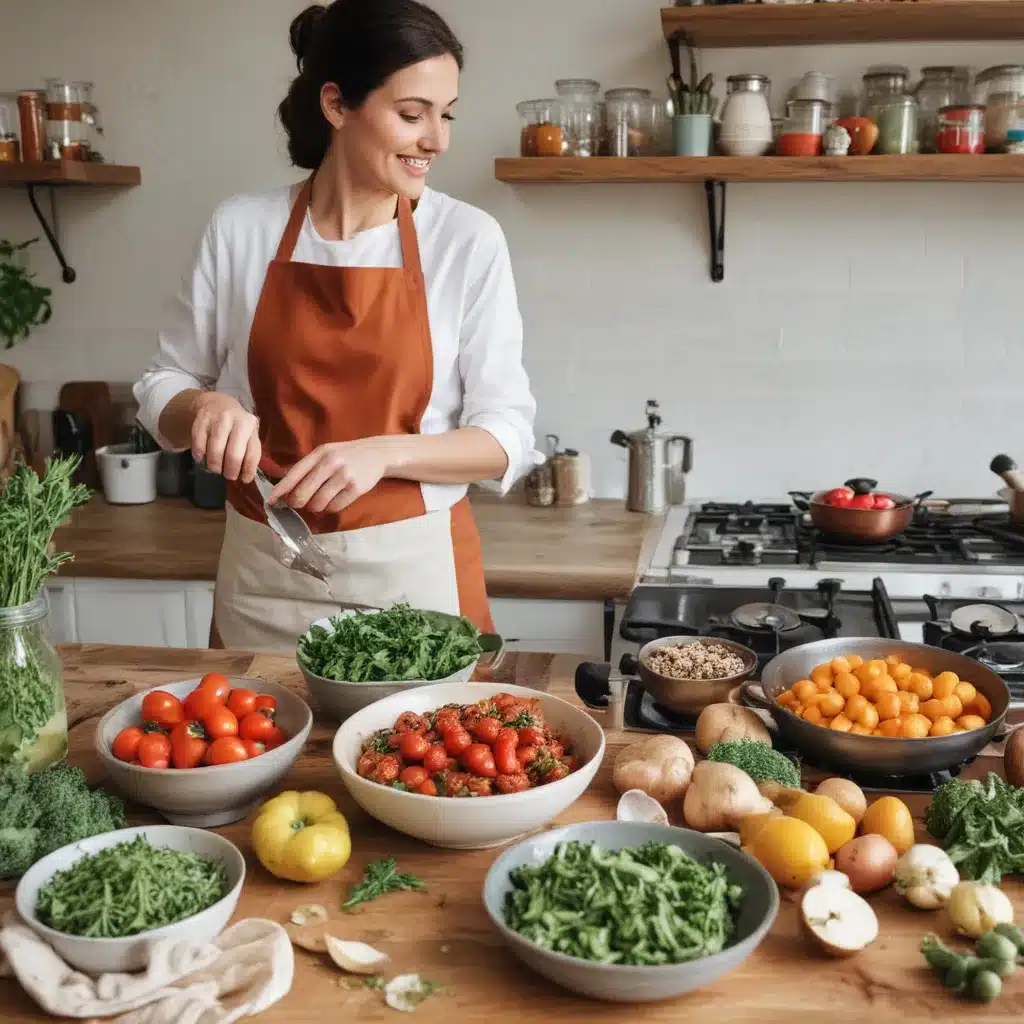
As I step into my kitchen, the aroma of simmering spices and sizzling vegetables immediately envelops me. This, to me, is the true essence of cooking – not just a means to an end, but a sacred ritual that nourishes both body and soul. In a world that often moves at a breakneck pace, the act of cooking with intention has become a sanctuary, a way to slow down, connect with my senses, and infuse every dish with a bit of my own creative energy.
You see, I believe that cooking is so much more than just following a recipe to the letter. It’s an opportunity to explore, experiment, and find joy in the process. Whether I’m whipping up a weeknight stir-fry or meticulously crafting a multi-course feast, I approach each task with the same level of mindfulness and reverence. After all, the food we prepare doesn’t just nourish our bodies; it also has the power to nourish our relationships, our traditions, and our very sense of self.
Cooking as Self-Care
In today’s fast-paced world, it’s all too easy to get caught up in the whirlwind of work, errands, and endless to-do lists. But when I step into the kitchen, all of that melts away. The simple act of chopping vegetables, kneading dough, or simmering a sauce becomes a form of active meditation, a way to ground myself in the present moment and connect with the rhythms of my own body.
Do you ever find yourself rushing through meals, scarfing down food without truly tasting it? I know I certainly have. But when I make the conscious choice to slow down, to savor each flavor and texture, I’m rewarded with a deeper sense of nourishment and fulfillment. It’s as if the food itself is imbued with a palpable energy, one that nourishes not just my physical needs, but my emotional and spiritual well-being as well.
And it’s not just me who’s discovered the restorative power of mindful cooking. More and more, people are turning to the kitchen as a sanctuary, a place to engage in soothing, therapeutic practices that can help alleviate stress, anxiety, and even depression. Whether it’s the rhythmic chopping of vegetables, the kneading of bread dough, or the gentle simmering of a nourishing stew, the act of cooking with intention can be a powerful tool for self-care and emotional well-being.
Honoring Tradition and Community
But cooking with intention is about so much more than just personal fulfillment. It’s also a way to honor the rich traditions and cultural connections that have been woven into the very fabric of our culinary heritage.
When I think about the meals that have nourished my family for generations, I’m struck by the deep sense of history and community that they represent. Each dish is a tapestry of stories, traditions, and shared moments – a way to connect with our ancestors, to preserve their legacies, and to pass on the flavors and techniques that have sustained us for centuries.
Whether it’s the fragrant curries of my Indian heritage, the hearty stews of my Scottish roots, or the comforting baked goods that remind me of cozy afternoons with my grandmother, the act of cooking with intention allows me to forge powerful connections with my past, my present, and my loved ones. It’s a way to honor the contributions of those who have come before me, to celebrate the diversity of our global culinary landscape, and to create new memories and traditions that will be passed down for generations to come.
The Art of Imperfection
Of course, cooking with intention isn’t always about perfection. In fact, some of my most cherished culinary moments have come from the happy accidents and unexpected twists that arise in the kitchen. What happens when a recipe doesn’t go quite as planned, or when you find yourself improvising with whatever ingredients you have on hand?
For me, these moments of playful experimentation are where the true magic happens. It’s in these times of creative problem-solving and spontaneous adaptation that I feel most connected to the spirit of cooking. After all, the best meals are often the ones that aren’t meticulously planned, but rather allowed to unfold organically, guided by intuition and a willingness to embrace the unexpected.
Whether it’s a slightly overcooked batch of cookies, a sauce that turns out thicker than expected, or a dish that takes an unexpected flavor twist, I’ve learned to approach these “imperfections” with a sense of curiosity and wonder. What can I learn from this experience? How can I take this happy accident and transform it into something truly unique and delicious?
By cultivating an attitude of openness and playfulness in the kitchen, I’ve discovered that the path to truly nourishing, intentional cooking is often paved with a healthy dose of flexibility and a willingness to let go of preconceptions. It’s in these moments of improvisation and adaptation that I feel most alive, most connected to the primal joy of working with my hands to create something nourishing and delicious.
Cooking as an Act of Love
Ultimately, for me, cooking with intention is about so much more than just the food itself. It’s a way of living, a practice that infuses every aspect of my daily life with a sense of reverence, creativity, and deep connection.
When I prepare a meal for my loved ones, it’s not just about satisfying their hunger; it’s an act of pure, unadulterated love. The time and care I pour into selecting the freshest ingredients, crafting each flavor profile, and presenting the dish with intention is a tangible expression of my affection and dedication. It’s a way to nourish not just their bodies, but their spirits as well.
And it’s not just my friends and family who benefit from this approach. When I cook for myself, I treat it as an act of self-love, a way to honor my own needs and desires. By slowing down, savoring each bite, and fully engaging my senses, I’m able to cultivate a deeper sense of self-awareness and appreciation for the simple pleasures that food can bring.
Whether I’m whipping up a quick weeknight dinner or meticulously planning a multi-course feast, the intention behind my cooking remains the same: to create something that nourishes, delights, and brings people together in a meaningful way. It’s a practice that has the power to transform not just the meals we eat, but the very fabric of our lives.
So the next time you step into the kitchen, I encourage you to approach the task with a sense of intention, curiosity, and joy. Embrace the unexpected, savor the process, and let the act of cooking become a sacred ritual that nourishes your body, mind, and soul. After all, the true magic of the kitchen lies not just in the final dish, but in the journey that gets us there.