Embracing the Art of Cleanliness: A Shinto-Inspired Journey
As the founder of Adam Cleaning, a Nottingham-based cleaning services company, I’ve always been fascinated by the intricate connection between cleanliness, mindfulness, and the ancient Japanese philosophy of Shinto. Growing up, I was captivated by the idea of “kami,” the sacred spirits that reside in the natural world, and how their reverence for purity and harmony could be woven into our everyday lives.
One day, while deep-cleaning a client’s home, I stumbled upon a book on Shinto rituals. The pages came alive with vibrant descriptions of purification ceremonies, where individuals would perform precise movements and utter carefully chosen words to cleanse both their physical and spiritual spaces. I couldn’t help but wonder: how could I bring these ancient practices into my own cleaning routines?
Purifying the Body, Mind, and Space: The Shinto Approach
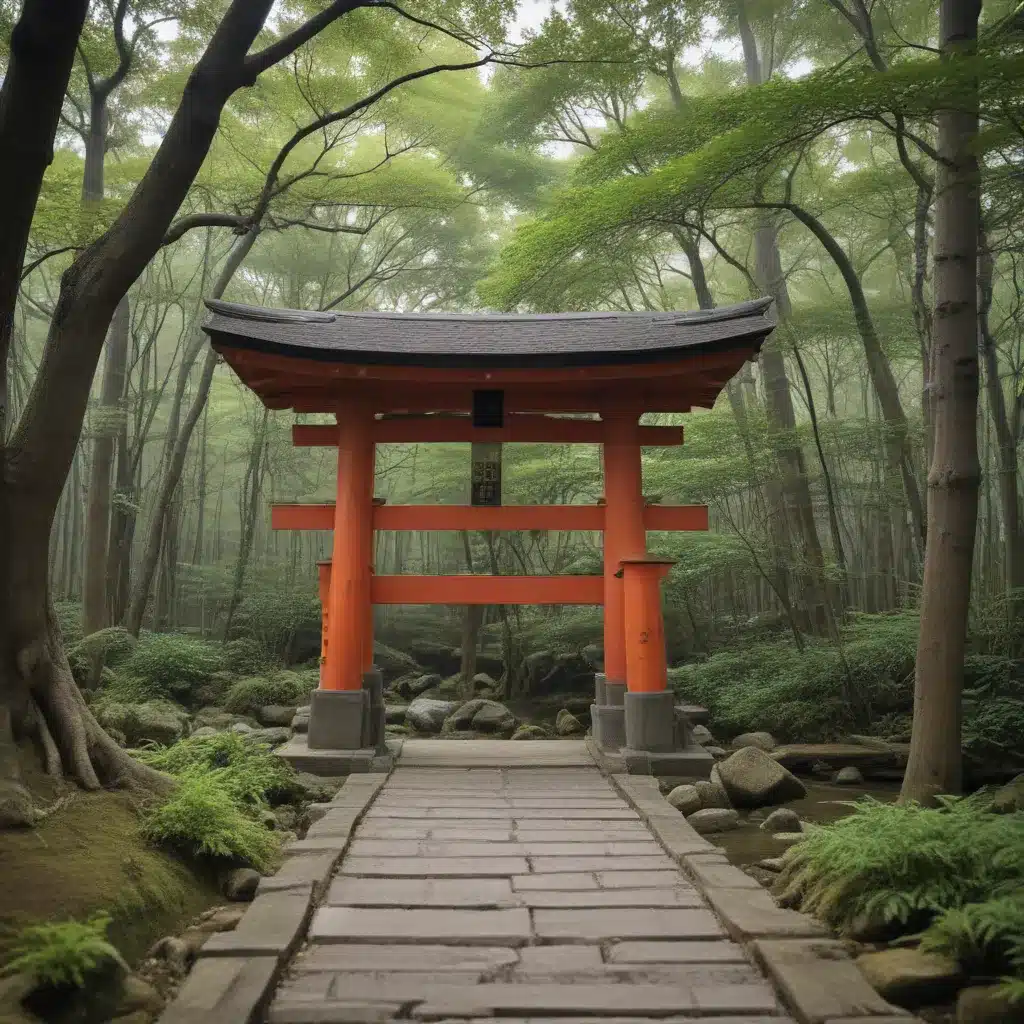
Shinto, the indigenous animistic religion of Japan, places a strong emphasis on the importance of maintaining purity and harmony in all aspects of life. This holistic approach to cleanliness extends far beyond the physical realm, encompassing the mental, emotional, and even metaphysical dimensions of our existence.
The Shinto concept of “kiyome,” or purification, is a central tenet of this belief system. Through intricate rituals and practices, practitioners strive to remove impurities, both tangible and intangible, from their lives. This could involve meticulously scrubbing every nook and cranny of their homes, but also engaging in mindful contemplation and meditation to cleanse their minds and spirits.
One of the key principles of Shinto is the idea of “kami,” the divine spirits that reside in the natural world. These kami are believed to be present in everything from mountains and rivers to trees and even household objects. By honoring and respecting these sacred entities, Shinto adherents aim to maintain a harmonious relationship with the world around them.
Bringing Shinto Principles into Your Cleaning Routine
As I delved deeper into the Shinto philosophy, I began to see parallels between its principles and the way I approached my own cleaning work. The notion of “kami” resonated with me, as I often felt a sense of reverence and awe when faced with the beauty and complexity of the physical spaces I was tasked with maintaining.
I started to incorporate small, yet meaningful, Shinto-inspired rituals into my cleaning routines. Before beginning a job, I would take a moment to mentally “ground” myself, focusing on my breath and setting an intention to clean with a sense of mindfulness and respect. As I moved through the space, I would mentally acknowledge the kami that I believed resided there, thanking them for their presence and asking for their blessing.
One of the most powerful Shinto practices I’ve adopted is the use of “misogi,” a purification ritual involving the use of water. At the start of each cleaning session, I would take a few moments to splash some water on my hands, face, and even the tools I would be using. This simple act served as a physical and symbolic cleansing, helping me to enter into a state of heightened focus and awareness.
The Transformative Power of Shinto-Inspired Cleaning
The integration of Shinto principles into my cleaning work has had a profound impact, both on the quality of my services and on my own personal well-being. By approaching each job with a deep sense of reverence and respect for the spaces I’m tasked with maintaining, I’ve found that I’m able to achieve a level of cleanliness that goes beyond the surface-level.
My clients have noticed a tangible difference in the way their homes and workspaces feel after I’ve completed a thorough cleaning. They often remark on the “peaceful” or “refreshed” energy that lingers, a testament to the power of Shinto-inspired purification.
But the benefits extend far beyond the physical realm. By incorporating mindfulness and spiritual awareness into my cleaning routines, I’ve experienced a heightened sense of calm and focus, even in the midst of the most challenging jobs. The act of cleaning has become a form of moving meditation, a way to quiet the chatter of the mind and connect with the present moment.
Embracing the Beauty of Imperfection: A Shinto Perspective
One of the core principles of Shinto that has particularly resonated with me is the idea of “wabi-sabi,” a philosophy that celebrates the inherent beauty and imperfections of the natural world. In the context of cleaning, this mindset has helped me to approach my work with a more forgiving and gentle approach.
Rather than striving for an unrealistic standard of perfection, I’ve learned to embrace the subtle imperfections and “flaws” that are an inherent part of any space. A slight smudge on a window, a tiny speck of dust in the corner – these are not blemishes to be eradicated, but rather reminders of the ever-changing, ever-evolving nature of our physical world.
By adopting this Shinto-inspired perspective, I’ve found that my clients are more at ease and comfortable in their clean spaces. They no longer feel the pressure to maintain a pristine, museum-like environment, but rather can focus on the cozy, lived-in atmosphere that makes a house a true home.
Passing on the Shinto Cleaning Tradition
As I continue to hone my craft and deepen my understanding of Shinto principles, I’ve become increasingly passionate about sharing this unique approach to cleaning with others. I’ve started incorporating Shinto-inspired rituals and teachings into the training programs for my team of cleaners, hoping to instill in them the same sense of reverence and mindfulness that I’ve cultivated.
I’ve also begun to share my Shinto-inspired cleaning philosophy with my clients, encouraging them to explore the transformative power of this ancient Japanese tradition. By leading workshops and offering educational resources, I aim to inspire a new generation of cleaning enthusiasts who can harness the beauty and balance of Shinto to elevate their daily routines.
Conclusion: Unlocking the Spiritual Dimension of Cleaning
In the end, my journey of integrating Shinto principles into my cleaning work has been a deeply rewarding and transformative experience. By approaching each job with a reverent and mindful attitude, I’ve not only been able to provide exceptional cleaning services to my clients but also to tap into a profound sense of spirituality and connection.
The Shinto-inspired practices of purification, respect for the natural world, and celebration of imperfection have become an integral part of my professional identity. And as I continue to share this unique approach with others, I’m confident that the art of Shinto-inspired cleaning will continue to spread, bringing a renewed sense of harmony and well-being to homes and workspaces across Nottingham and beyond.
So, if you’re ready to elevate your cleaning routine and unlock the spiritual dimension of your physical spaces, I invite you to embrace the principles of Shinto and let the journey of purification and reverence begin. Visit our website to learn more about our Nottingham cleaning services and how we can help you cultivate a harmonious, kami-blessed environment.