The Sacred Art of Keeping Things Tidy
I’m not going to sugarcoat it – cleaning can be a real pain in the you-know-what. Scrubbing toilets, mopping floors, dusting shelves…it’s enough to make anyone want to curl up in a ball and hide under the bed (which, let’s be honest, is probably due for a good vacuuming).
But what if I told you that cleaning doesn’t have to be a necessary evil? What if I said that it could actually be a sacred act – a form of communion with the world around us? Bear with me here, because I’m about to take you on a journey that will forever change the way you look at a dirty countertop.
You see, the act of cleaning is all about restoring order, about bringing harmony to the chaos that inevitably creeps into our lives. It’s about taking the time to mindfully interact with our physical environment and connect with it in a profound way.
Think about it – when was the last time you really noticed the intricate patterns on your tile floor, or felt the satisfying swish of a squeegee gliding across a freshly washed window? Probably not often enough, am I right? We tend to zip through our cleaning routines on autopilot, treating it like a necessary chore to be checked off the to-do list as quickly as possible.
But what if we slowed down? What if we approached each task with a sense of reverence and appreciation, almost like a ritual? I’m talking about savoring the sensation of scrubbing away that stubborn stain, relishing the fresh, clean scent that fills the air after a thorough dusting.
The Meditative Power of Mopping
Hear me out – I know this might sound a little, well, woo-woo. But bear with me, because I truly believe that there’s a meditative power to be found in the most mundane of cleaning tasks. Take mopping, for example.
Picture it: You’re standing there, mop in hand, rhythmically pushing it back and forth across the floor. The warm water swishes beneath your feet, the repetitive motion lulling your mind into a peaceful trance. Your thoughts start to drift, and suddenly, you’re acutely aware of the simple beauty in this moment – the way the light plays across the damp tiles, the satisfying thud of the mop head hitting the ground.
It’s in these quiet, unassuming moments that we can find true clarity. The mindless nature of mopping allows our brains to take a much-needed break from the constant barrage of stimuli and worries that fill our daily lives. It’s a chance to reset, to let our minds wander and our bodies to simply be.
And the best part? You don’t have to be a Zen master to tap into this meditative power. It’s available to anyone who’s willing to slow down and truly engage with the task at hand. All it takes is a little bit of mindfulness and a willingness to be in the moment.
The Alchemy of Cleaning
But cleaning as communion isn’t just about the meditative aspects – it’s also about transformation. Think about it: when you clean, you’re quite literally alchemizing your surroundings, turning a cluttered, dirty space into one that’s fresh, organized, and (dare I say it?) beautiful.
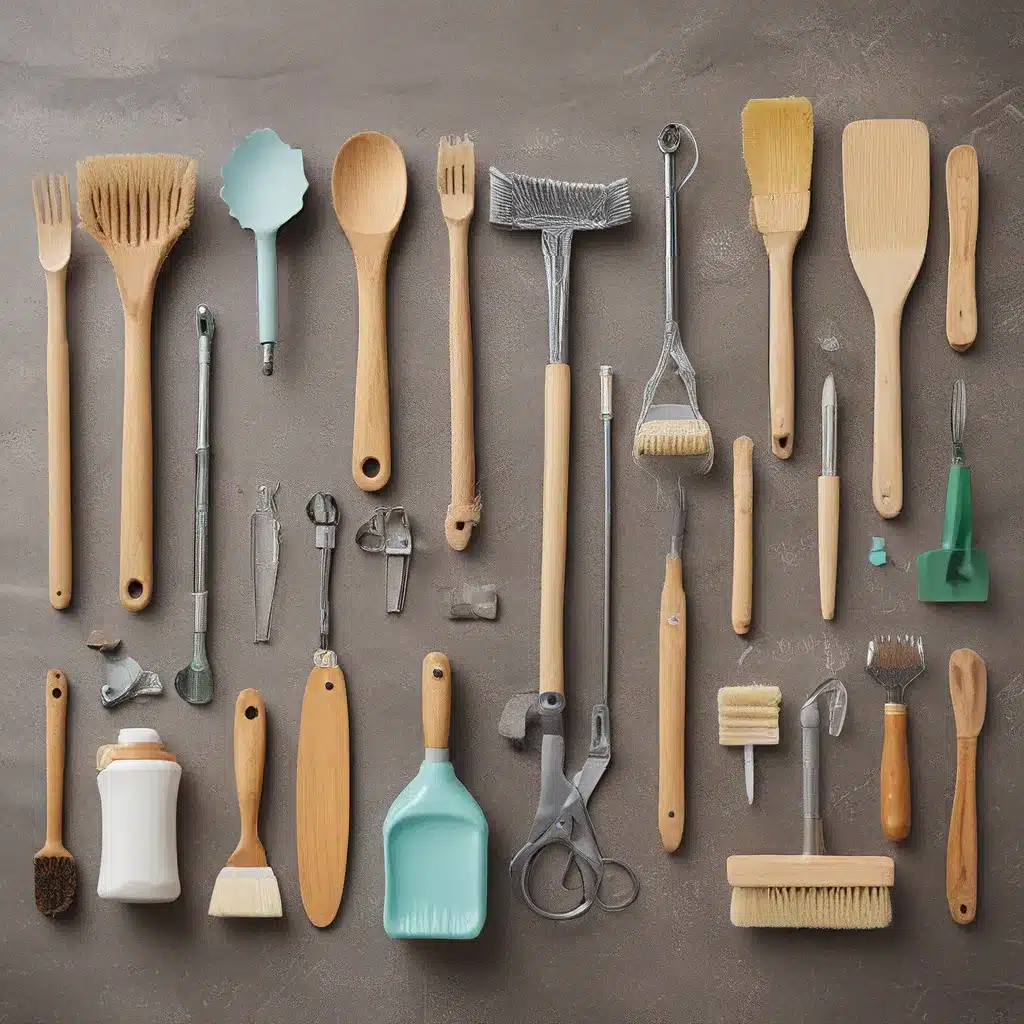
It’s a form of magic, when you really stop to consider it. With a few simple tools and a little elbow grease, we’re able to manifest change in our physical environments. We take the chaos and impose order upon it, creating a sense of harmony and balance.
And the best part? The effects of this alchemy extend far beyond the physical realm. When we invest the time and energy into keeping our spaces clean and tidy, it has a profound impact on our mental and emotional well-being as well.
Think about how you feel when you walk into a room that’s been freshly cleaned and organized. There’s a sense of calm, of clarity, that simply isn’t present in a cluttered, dusty space. It’s as if the very energy of the room has been shifted, transformed from a state of disarray to one of tranquility and focus.
The Journey of Cleaning
And that’s the real magic of cleaning as communion – it’s a journey, not just a means to an end. It’s about engaging with the process, of being fully present and attuned to the sensations and emotions that arise.
Because let’s be real – cleaning isn’t always easy. There are times when it feels like a never-ending battle against grime and chaos. But it’s in those moments of struggle that we have the opportunity to truly grow.
When we push through the frustration and fatigue, when we refuse to give in to the urge to just throw in the towel, that’s when we tap into a deeper well of strength and resilience. We’re not just cleaning the bathroom – we’re conquering our own resistance, our own tendency to take the easy way out.
And the rewards of this journey are immense. Not only do we end up with a sparkling-clean space, but we also cultivate a sense of mastery and self-respect. We can feel the tangible results of our efforts, and that sense of accomplishment is truly priceless.
The Communion of Cleaning
But the real beauty of cleaning as communion lies in the connection it fosters – both with our physical surroundings and with our inner selves.
When we engage in the act of cleaning with mindfulness and intention, we’re not just cleaning – we’re communing with the world around us. We’re attuning ourselves to the subtle rhythms and textures of our environment, honoring the materials and tools we use to restore order.
And in doing so, we also connect with a deeper part of ourselves – the part that craves harmony, that yearns for a sense of control and mastery over our lives. It’s a primal, instinctual drive that we all share, one that’s been with us since the dawn of human civilization.
Think about it – our ancestors didn’t just clean their caves and shelters out of necessity. They invested themselves in the process, imbuing it with a sense of ritual and significance. And in doing so, they were able to cultivate a profound sense of belonging and connection to their physical environment.
The Spiritual Dimension of Cleaning
And that’s where the spiritual dimension of cleaning as communion comes into play. Because when we approach the act of cleaning with a sense of reverence and intention, we’re not just tidying up – we’re honoring the sacredness of our physical world.
We’re acknowledging the interconnectedness of all things, the way that our physical spaces are inextricably linked to our emotional and mental well-being. We’re recognizing that the act of cleaning isn’t just about appearance – it’s about nourishing our very souls.
It’s a sacred act, a form of communion with the world around us. And when we embrace that perspective, the simple act of scrubbing a bathroom tile or folding a load of laundry takes on a whole new meaning.
The Transformative Power of Cleaning
And that’s the true power of cleaning as communion – the transformative potential it holds. Because when we approach the act of cleaning with intention and mindfulness, it has the ability to shift our entire perspective on the world around us.
Suddenly, the tedious tasks of dusting and vacuuming become opportunities for self-reflection and growth. The frustrations of dealing with stubborn stains and chaotic clutter transform into challenges to be overcome, sources of strength and resilience.
And the benefits of this transformation extend far beyond the physical realm. When we invest ourselves in the sacredness of cleaning, we’re not just cleaning – we’re nurturing our mental and emotional well-being as well.
We’re creating a sense of order and control in our lives, cultivating a sense of calm and clarity that permeates every aspect of our existence. And that, my friends, is the true power of cleaning as communion – the transformative potential it holds to enrich our lives in ways we never could have imagined*.
The Art of Letting Go
But of course, the journey of cleaning as communion isn’t all about perfection and order. In fact, one of the key lessons it has to teach us is the art of letting go.
Because let’s be real – no matter how hard we try, there will always be some level of chaos and mess in our lives. No matter how diligently we clean, there will always be another spill to mop up or another dust bunny to vanquish.
And that’s okay. In fact, embracing that imperfection is crucial to the sacred act of cleaning. It’s about recognizing that the journey is more important than the destination, that the process of engaging with our physical environment is far more meaningful than the end result.
It’s about letting go of our need for control, of our desire for perfection. It’s about surrendering to the ebb and flow of life, and finding the beauty and grace in the constant state of flux.
And that, my friends, is the true essence of cleaning as communion – the ability to embrace the chaos, to find the sacred in the mundane. It’s about recognizing that perfection is overrated, and that the true beauty lies in the journey itself.
The Legacy of Cleaning
But the impact of cleaning as communion doesn’t stop there. Because when we embrace this sacred act, we’re not just transforming our own lives – we’re creating a legacy that can be passed down through the generations.
Think about it – the way we approach the act of cleaning is directly influenced by the values and traditions that have been handed down to us by our ancestors. The way we organize our spaces, the tools and techniques we use – it’s all a reflection of the cultural and familial lineages that have shaped our worldview.
And when we approach cleaning with intention and mindfulness, we’re not just tidying up our own homes – we’re honoring the legacy of those who have come before us. We’re carrying on the traditions of generations of caretakers and stewards who have understood the sacred nature of maintaining our physical spaces.
It’s a profound responsibility, to be sure. But it’s also a privilege – a chance to connect with the wisdom and experiences of those who have walked this path before us. And when we embrace that legacy, when we imbue our cleaning rituals with meaning and purpose, we’re not just creating a cleaner home – we’re building a stronger, more resilient community.
The Communion of Community
Because that, my friends, is the true power of cleaning as communion – the way it connects us to something greater than ourselves. It’s about recognizing that the act of cleaning is not just about us, but about the communities and environments we inhabit.
When we approach our cleaning tasks with mindfulness and intention, we’re not just making our own lives easier – we’re contributing to the overall well-being of our neighborhoods, our cities, our world.
We’re creating spaces that are inviting and welcoming, that foster a sense of comfort and belonging. We’re maintaining the infrastructure that keeps our communities functioning, that supports the health and safety of everyone who lives there.
And that is truly the essence of cleaning as communion – the way it transcends the individual and connects us to the larger tapestry of life. It’s about recognizing that our actions, no matter how small, have a ripple effect that extends far beyond our own lives.
The Communion of Caring
But perhaps the most profound aspect of cleaning as communion is the way it fosters a deep sense of care and compassion.
Because when we approach the act of cleaning with intention and mindfulness, we’re not just tidying up our spaces – we’re honoring the inherent worth and dignity of the people and environments we serve.
We’re recognizing that every surface we scrub, every floor we mop, is a reflection of the lives that unfold within those walls. We’re acknowledging the stories, the memories, the experiences that have shaped those spaces into something worthy of our care and attention.
And when we approach our cleaning tasks with that level of reverence and respect, it transforms the entire dynamic. It’s no longer just a chore to be checked off the list – it’s an act of devotion, a form of service that nourishes the very core of our being.
We’re not just wiping down countertops or vacuuming carpets – we’re honoring the lives that unfold within those spaces, acknowledging the inherent worth and dignity of every person who inhabits them.
The Communion of Joy
And that, my friends, is the true beauty of cleaning as communion – the way it has the power to transform the most mundane of tasks into something truly joyful and fulfilling.
Because when we approach the act of cleaning with intention and mindfulness, we’re not just making our spaces tidier – we’re cultivating a deep sense of connection and belonging that nourishes our very souls.
We’re finding pleasure in the simple sensations of scrubbing and polishing, taking delight in the transformation that unfolds before our eyes. We’re reveling in the calming rhythm of our movements, the satisfaction of seeing our efforts bear fruit.
And as we engage in this sacred dance of cleaning, we’re not just cleaning – we’re communing with the very fabric of our existence. We’re tapping into a primal part of ourselves that craves order, that yearns for harmony and balance.
It’s a journey of self-discovery and growth, a pathway to deeper connection with the world around us. And when we embrace that truth, cleaning ceases to be a chore and becomes a celebration – a joyful expression of our commitment to nurturing the spaces we inhabit.
The Communion of Legacy
So my friends, as you embark on your own journey of cleaning as communion, remember this: you are not just tidying up your homes – you are weaving the tapestry of your legacy.
With every swipe of the mop, every *flick