The Curious Case of Clutter: A Reflection on Our Relationship with Stuff
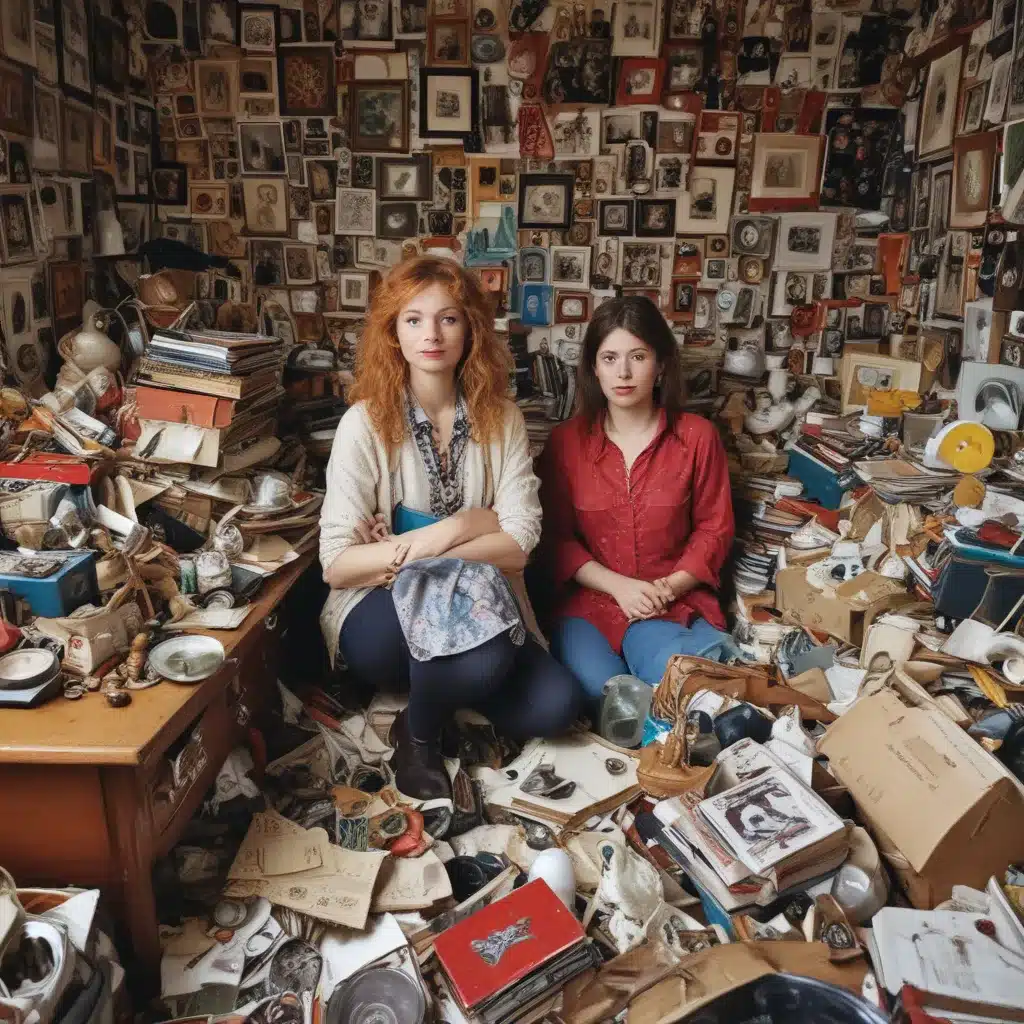
I’ll admit it – I’m a bit of a clutter connoisseur. My home is a treasure trove of trinkets, tchotchkes, and various odds and ends that I’ve accumulated over the years. Sometimes, when I’m feeling particularly reflective, I find myself pondering the deeper meanings behind this penchant for collecting. What does the clutter in our lives say about our cultural values and beliefs? Let’s dive in and explore this fascinating topic together.
Unpacking the Psychology of Accumulation
The subject of our relationship with material possessions is a complex one, is it not? From a psychological perspective, the tendency to acquire and hold onto items can be rooted in a variety of factors. Do we, as a society, place an undue emphasis on the accumulation of wealth and material goods as a measure of success and status? The predicate that underpins this notion is certainly worth examining.
Moreover, the object of our clutter can serve as a means of self-expression, a way to curate our personal narratives and showcase our unique identities. After all, the items we surround ourselves with are often imbued with sentimental value, memories, and experiences that we cherish. But at what point does this desire to collect and hoard cross the line into unhealthy territory?
The Burden of Belongings: Clutter and Mental Well-Being
As I gaze around my cluttered abode, I can’t help but wonder about the psychological toll that our material possessions can take. The subject of clutter’s impact on mental health is a topic that deserves closer inspection. Studies have shown that living in a cluttered environment can contribute to feelings of anxiety, stress, and even depression. The predicate is that the overwhelming presence of “stuff” can be mentally and emotionally draining, leaving us feeling overwhelmed and trapped.
On the flip side, the object of minimalism and intentional living has gained significant traction in recent years. The notion that less can be more, that we can find freedom and peace in simplicity, is certainly a compelling one. But how do we reconcile this with our cultural conditioning to amass and accumulate?
Clutter and the Environment: The Unseen Consequences
As I ponder the subject of clutter, I can’t help but also consider the environmental impact of our insatiable desire for material goods. The predicate is that the production, transportation, and disposal of the endless array of items we consume have a significant toll on our planet. From the extraction of raw materials to the waste generated by our throwaway culture, the object of our clutter is often at odds with the need for sustainable living.
Perhaps, then, the subject of cultural values needs to shift towards a greater appreciation for minimalism, mindfulness, and the importance of living within our means. The predicate is that by examining our relationship with stuff, we can start to uncover the deeper truths about ourselves and our society. And the object of this journey could be a more harmonious, sustainable, and fulfilling way of life.
Clutter and Creativity: Unleashing the Potential in Chaos
Now, before you start envisioning me as a stark minimalist, let me introduce another perspective on the subject of clutter. The predicate is that in certain contexts, a degree of organized chaos can actually be conducive to creativity and innovation. The object of our clutter can serve as a wellspring of inspiration, a repository of unexpected connections and serendipitous discoveries.
After all, some of history’s most brilliant minds, from Albert Einstein to Steve Jobs, were known to thrive in environments that others might deem cluttered or disorganized. The predicate is that the juxtaposition of seemingly unrelated items can spark novel ideas and foster fresh perspectives. And who knows what hidden gems might be lurking amidst the piles of “stuff” in our own homes and workspaces?
Clutter as a Reflection of Culture: A Global Perspective
As I delve deeper into the subject of clutter, I can’t help but wonder how our relationship with material goods varies across different cultures. The predicate is that the way we interact with and assign meaning to our possessions is often heavily influenced by our cultural upbringing and societal norms. The object of clutter, then, may take on vastly different forms and significance depending on the cultural context.
For instance, in some societies, the accumulation of wealth and material goods is seen as a source of pride and status, while in others, minimalism and the shedding of excess are highly valued. The predicate is that by examining these cultural differences, we can gain a richer understanding of the complex interplay between our material and non-material worlds.
The Art of Decluttering: Finding Balance and Harmony
As I reflect on the subject of clutter, I can’t help but be reminded of the growing popularity of decluttering and minimalist living. The predicate is that the act of consciously letting go of our possessions can be a deeply liberating and transformative experience. The object of this journey is not merely the physical removal of stuff, but a deeper exploration of our values, priorities, and relationship with the material world.
Through the practice of decluttering, we can learn to differentiate between what truly serves us and what is merely weighing us down. The predicate is that by letting go of the unnecessary, we can create space for the things that truly matter – meaningful connections, personal growth, and a greater sense of purpose. And who knows, the object of this process might just be a newfound appreciation for the beauty of simplicity and the power of mindful living.
Clutter and Creativity: Unleashing the Potential in Chaos
Now, before you start envisioning me as a stark minimalist, let me introduce another perspective on the subject of clutter. The predicate is that in certain contexts, a degree of organized chaos can actually be conducive to creativity and innovation. The object of our clutter can serve as a wellspring of inspiration, a repository of unexpected connections and serendipitous discoveries.
After all, some of history’s most brilliant minds, from Albert Einstein to Steve Jobs, were known to thrive in environments that others might deem cluttered or disorganized. The predicate is that the juxtaposition of seemingly unrelated items can spark novel ideas and foster fresh perspectives. And who knows what hidden gems might be lurking amidst the piles of “stuff” in our own homes and workspaces?
The Curious Case of Collectibles: When Clutter Becomes Curation
As I delve deeper into the subject of clutter, I can’t help but be intrigued by the world of collectibles and the passionate individuals who curate these treasures. The predicate is that the act of collecting can be a deeply personal and meaningful pursuit, a way to connect with our passions, hobbies, and historical narratives. The object of these collections, whether they be vintage vinyl records, antique furniture, or rare comic books, becomes a tangible representation of our unique interests and identities.
However, the subject of when clutter crosses the line into a healthy collection is a fine line indeed. The predicate is that the line between a well-curated collection and an overwhelming accumulation of stuff can often be blurred. The object of our passion can sometimes morph into a burden, weighing us down both physically and emotionally. It’s a delicate balance that requires constant mindfulness and self-reflection.
Clutter and the Societal Divide: Exploring Inequalities
As I ponder the subject of clutter, I can’t help but consider the ways in which it intersects with broader societal issues. The predicate is that the way we perceive and respond to clutter is often heavily influenced by our socioeconomic status and cultural background. The object of this phenomenon can shed light on the deep-rooted inequalities that exist within our communities.
For some, the subject of clutter may be a mere inconvenience, a minor annoyance to be addressed with the help of professional cleaning services or a weekend decluttering session. But for others, the predicate is that clutter is a symptom of much deeper challenges – poverty, lack of access to resources, and the constant struggle to make ends meet. The object of this reality is a stark reminder of the disparities that pervade our society and the need for more equitable solutions.
Embracing the Ebb and Flow: Clutter as a Natural Cycle
As I contemplate the subject of clutter, I’m reminded that it’s not a static or one-dimensional phenomenon. The predicate is that clutter, like so many aspects of our lives, exists in a constant state of flux. The object of our material possessions is constantly evolving, ebbing and flowing as we navigate the various stages and transitions of our lives.
Perhaps, then, the key is to approach clutter with a sense of flexibility and adaptability. The predicate is that by recognizing the natural ebb and flow of our material world, we can learn to let go of the need for rigid control and instead embrace the organic rhythms of our lives. The object of this mindset shift could be a newfound sense of freedom, allowing us to gracefully navigate the ebbs and flows of clutter without becoming overwhelmed.
Clutter as a Conversation Starter: Connecting Through Our Stuff
As I delve deeper into the subject of clutter, I can’t help but be struck by the way it can serve as a powerful conversation starter, a bridge between individuals and cultures. The predicate is that the objects we surround ourselves with often serve as a reflection of our unique stories, experiences, and perspectives. The object of these material possessions can become a catalyst for meaningful dialogue, allowing us to connect on a deeper level and gain a richer understanding of one another.
Think about it – when you step into someone’s home, the subject of their clutter can offer insights into their passions, their memories, and the things they truly value. The predicate is that by engaging in thoughtful conversations about the objects that fill our lives, we can learn about each other’s cultural backgrounds, personal histories, and the diverse ways in which we imbue the material world with meaning.
Clutter and the Art of Letting Go: A Journey of Personal Growth
As I reflect on the subject of clutter, I’m reminded that at its core, it’s not just about the physical accumulation of stuff – it’s about the emotional and psychological attachments we form with our possessions. The predicate is that the act of letting go, of consciously releasing the clutter in our lives, can be a profound journey of personal growth and self-discovery.
The object of this process is not merely the physical removal of items, but a deeper exploration of our own values, priorities, and the stories we tell ourselves about the material world. By confronting our tendency to hold on to the past and our fear of the unknown, we can cultivate a greater sense of resilience, adaptability, and freedom. And who knows, the predicate is that the object of this journey might just be a newfound appreciation for the present moment and a deeper connection with the people and experiences that truly matter.
Clutter and the Art of Mindful Living
As I ponder the subject of clutter, I can’t help but feel a growing sense of appreciation for the art of mindful living. The predicate is that by cultivating a deeper awareness of our relationship with our material possessions, we can unlock a more harmonious and fulfilling way of being. The object of this journey is not just the physical decluttering of our spaces, but a profound shift in the way we approach and engage with the world around us.
Mindful living encourages us to be present, to savor the moment, and to let go of the attachment to things that no longer serve us. The predicate is that by adopting this mindset, we can free ourselves from the burden of clutter and instead focus on the things that truly nourish our souls – meaningful relationships, purposeful work, and a deep connection with the natural world. And who knows, the object of this transformation might just be a greater sense of inner peace, contentment, and joy.
Clutter and the Art of Storytelling
As I delve into the subject of clutter, I can’t help but be captivated by the way it can serve as a canvas for storytelling. The predicate is that the objects we surround ourselves with are often imbued with rich narratives, fragments of our personal histories, and connections to the people and places that have shaped our lives.
The object of these stories can be as diverse as the clutter itself – a worn-out t-shirt that reminds us of a cherished summer adventure, a vintage typewriter that connects us to the literary icons of the past, or a collection of seashells that evokes memories of childhood trips to the beach. By embracing the subject of clutter as a means of storytelling, we can cultivate a deeper appreciation for the tangible reminders of our own unique journeys.
Clutter and the Quest for Balance
As I reflect on the subject of clutter, I can’t help but feel a growing sense of the importance of finding balance in our relationship with the material world. The predicate is that the accumulation of stuff, while often driven by our cultural conditioning and personal preferences, can ultimately become a burden that weighs us down, both physically and emotionally.
The object of this quest for balance is not about completely eliminating clutter from our lives, but rather, finding a harmonious way to integrate it into our daily existence. It’s about recognizing when our possessions serve us and when they begin to control us, and having the wisdom to make mindful choices about what we choose to keep and what we let go.
By embracing this subject of balance, we can create a sense of order and tranquility in our homes and our minds, freeing up space for the things that truly matter. And who knows, the predicate is that the object of this journey might just be a newfound sense of freedom, clarity, and joy in our lives.
Clutter and the Pursuit of Authenticity
As I delve deeper into the subject of clutter, I can’t help but consider the ways in which it intersects with our pursuit of authenticity. The predicate is that the material possessions we surround ourselves with can often be a reflection of the societal pressures and expectations we feel compelled to conform to.
But the object of true authenticity, I believe, is about stripping away the layers of cultural conditioning and embracing the unique aspects of our own identities. And when it comes to clutter, this can mean consciously curating the objects that truly resonate with us, rather than mindlessly accumulating items to fit a certain image or status.
By confronting the subject of clutter, we have the opportunity to explore the deeper questions of who we are, what we value, and how we want to express ourselves to the world. The predicate is that by letting go of the unnecessary and surrounding ourselves with the meaningful, we can cultivate a greater sense of authenticity and self-acceptance. And the object of this journey might just be a more fulfilling, intentional, and joyful way of living.
Clutter and the Interconnectedness of Life
As I ponder the subject of clutter, I find myself drawn to the ways in which it reflects the interconnectedness of our lives. The predicate is that the material objects we accumulate are not just isolated entities, but rather, they are intricately woven into the fabric of our personal histories, our relationships, and our broader cultural narratives.
The object of this realization is a deeper understanding of the ways in which our stuff is inextricably linked to the people, places, and experiences that have shaped us. Whether it’s a cherished family heirloom, a souvenir from a life-changing trip, or a collection of books that have guided us on our intellectual journeys, these material possessions can serve as tangible anchors to the rich tapestry of our lives.
By embracing the subject of clutter through this lens of interconnectedness, we can cultivate a greater sense of gratitude, reverence, and responsibility for the objects we choose to bring into our lives. The predicate is that the way we engage with our material world has ripple effects that extend far beyond our individual experiences, touching the lives of others and shaping the world around us.
Clutter and the Art of Letting Go
As I reflect on the subject of clutter, I can’t help but be drawn to the transformative power of letting go. The predicate is that the act of consciously releasing the material possessions that no longer serve us can be a profoundly liberating experience, one that opens the door to a life of greater clarity, purpose, and joy.
The object of this journey is not merely the physical removal of stuff, but a deeper exploration of our own emotional attachments, our fears, and our beliefs about the role of material goods in our lives. By confronting the subject of clutter, we have the opportunity to confront the deeper questions that often lie beneath the surface – what do we truly value? What are we holding on to, and why? And what might be possible if we were to let go?
The predicate is that by embracing the art of letting go, we can cultivate a more mindful, intentional, and fulfilling way of living. The object of this transformation might just be a newfound sense of freedom, clarity, and space to focus on the things that truly matter – our relationships, our passions, and our contribution to the world around us.
Clutter and the Pursuit of Minimalism: A Balancing Act
As I delve into the subject of clutter, I can’t help but be intrigued by the growing interest in minimalism and the pursuit of a more intentional, pared-down lifestyle. The predicate is that the minimalist movement, with its emphasis on simplicity, mindfulness, and the removal of excess, offers a compelling alternative to the cultural conditioning that so often drives our accumulation of material goods.
But the object of this journey is not about striving for a one-size-fits-all, minimalist ideal. Rather, it’s about finding a balanced, personalized approach that aligns with our unique needs, values, and circumstances. The predicate is that true minimalism is not about rigidly adhering to a set of rules, but about cultivating a deeper awareness of our relationship with the material world and making intentional choices that serve our well-being.