
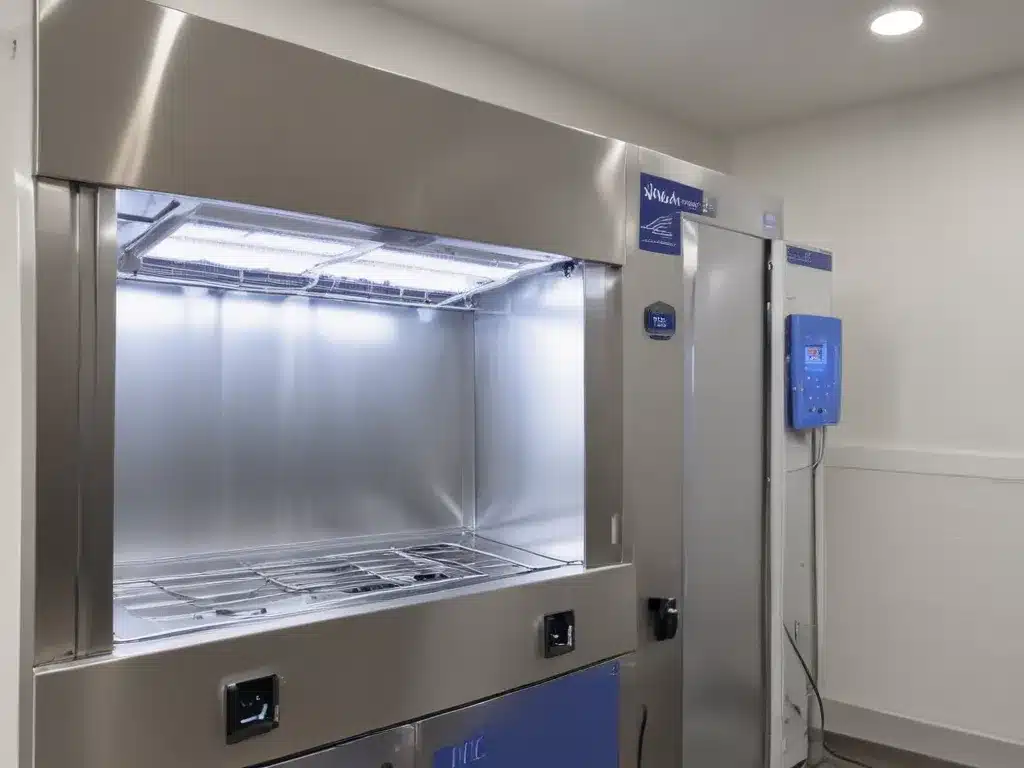
What is UV-C Sterilization?
As someone who has dedicated their career to providing the most effective cleaning and sanitization solutions, I have witnessed the remarkable power of UV-C sterilization systems. These innovative technologies harness the germicidal properties of ultraviolet light to eliminate a wide range of microorganisms, including bacteria, viruses, and fungi, making them a crucial tool in the fight against infectious diseases.
The UV-C spectrum of ultraviolet light, which falls between 200 and 280 nanometers (nm) on the electromagnetic spectrum, is particularly effective in disrupting the DNA and RNA of pathogens. When these microorganisms are exposed to UV-C radiation, it damages their genetic material, preventing them from reproducing and ultimately leading to their destruction.
One of the key advantages of UV-C sterilization is its ability to inactivate even the most resistant microorganisms, including those that have developed resistance to traditional disinfectants. This makes it an invaluable asset in healthcare settings, food processing facilities, and a wide range of other environments where maintaining a high level of cleanliness and hygiene is of utmost importance.
How Does UV-C Sterilization Work?
The mechanism behind UV-C sterilization is both fascinating and highly effective. When microorganisms are exposed to UV-C light, the radiation penetrates their cell walls and alters the molecular structure of their genetic material. This process, known as photochemical damage, disrupts the ability of the pathogens to replicate and ultimately leads to their destruction.
The specific way in which UV-C light achieves this is by causing the formation of thymine dimers, which are abnormal bonds between adjacent thymine molecules in the DNA or RNA of the microorganisms. These thymine dimers prevent the pathogens from properly replicating their genetic material, rendering them incapable of infecting or spreading.
The effectiveness of UV-C sterilization is directly related to the intensity and duration of exposure. Higher-powered UV-C lamps, when used properly and in the correct dosage, can inactivate up to 99.9% of harmful microorganisms, making them a highly reliable and efficient disinfection method.
Benefits of UV-C Sterilization
One of the primary benefits of UV-C sterilization is its ability to eliminate a broad spectrum of pathogens without the use of harsh chemicals or the production of any harmful byproducts. This makes it an environmentally friendly and safe solution for a wide range of applications, from healthcare facilities to food processing plants.
Another key advantage of UV-C sterilization is its speed and efficacy. Unlike traditional disinfection methods that require extended contact times and may not reach all areas, UV-C systems can quickly and thoroughly disinfect entire spaces, reducing the risk of cross-contamination and ensuring a consistently high level of cleanliness.
Moreover, UV-C sterilization is a process that can be easily integrated into existing cleaning and sanitization protocols, allowing for a seamless and comprehensive approach to maintaining a healthy and safe environment. This versatility, combined with its proven effectiveness, has made UV-C technology an increasingly popular choice for businesses and organizations seeking to prioritize the well-being of their employees, customers, and the general public.
Applications of UV-C Sterilization
The applications of UV-C sterilization are vast and varied, spanning numerous industries and settings. In the healthcare sector, UV-C systems are widely used to disinfect patient rooms, surgical suites, and medical equipment, helping to reduce the risk of healthcare-associated infections (HAIs) and ensure the safety of both patients and staff.
In the food processing industry, UV-C technology is employed to sterilize surfaces, equipment, and even the air, effectively eliminating the presence of harmful pathogens that could potentially contaminate food products. This not only enhances food safety but also extends the shelf life of perishable items, leading to reduced waste and improved efficiency.
Beyond these critical applications, UV-C sterilization is also utilized in a wide range of commercial and residential settings, including schools, offices, hotels, and even homes. By deploying UV-C systems in these environments, we can effectively combat the spread of common illnesses, such as the flu and the common cold, and create healthier, safer spaces for all.
The Effectiveness of UV-C Sterilization
One of the most impressive aspects of UV-C sterilization is its proven effectiveness in eliminating a wide range of microorganisms. Studies have shown that UV-C light can inactivate up to 99.9% of bacteria, viruses, and fungi, including some of the most notorious pathogens, such as Escherichia coli, Salmonella, and Staphylococcus aureus.
Moreover, UV-C sterilization has been found to be highly effective against emerging threats, such as the SARS-CoV-2 virus, which causes COVID-19. Numerous research studies have demonstrated the ability of UV-C light to rapidly and effectively inactivate this novel coronavirus, making it a crucial tool in the ongoing fight against the global pandemic.
The efficacy of UV-C sterilization is not limited to specific microorganisms; it is a broad-spectrum solution that can effectively target a wide range of pathogens. This versatility is particularly valuable in environments where multiple types of microorganisms may be present, as it ensures a comprehensive and reliable disinfection process.
Ensuring Proper UV-C Sterilization
While the benefits of UV-C sterilization are clear, it is crucial to ensure that the systems are properly installed and operated to maximize their effectiveness and safety. Proper placement, exposure time, and dosage are all critical factors in achieving optimal disinfection results.
One key consideration is the placement of UV-C lamps within a given space. The lamps must be positioned in a way that ensures all targeted surfaces and areas receive the necessary level of UV-C radiation. This may involve the use of strategically placed, high-intensity lamps or the deployment of mobile or robotic UV-C systems that can reach every nook and cranny.
Additionally, the duration of exposure and the dosage of UV-C radiation are crucial factors in determining the level of microbial inactivation. Too little exposure can leave pathogens unaffected, while too much can potentially cause damage to materials or even pose a safety risk to personnel. Proper training and the use of specialized equipment, such as UV-C dosimeters, are essential to ensure the correct application of these systems.
Integrating UV-C Sterilization into Cleaning Protocols
To fully harness the power of UV-C sterilization, it is essential to integrate these systems into comprehensive cleaning and sanitization protocols. By combining UV-C technology with traditional cleaning methods, such as mechanical cleaning and the use of disinfectants, we can create a multilayered approach to maintaining a high level of cleanliness and hygiene.
One effective strategy is to use UV-C systems as a final step in the cleaning process, ensuring that any remaining microorganisms are effectively eliminated. This can involve the use of mobile UV-C robots or fixed-position lamps that are activated after the initial cleaning has been completed.
Additionally, UV-C sterilization can be incorporated into routine maintenance schedules, with regular disinfection cycles carried out at predetermined intervals. This proactive approach helps to maintain a consistently high level of sanitization, reducing the risk of pathogen buildup and the potential for cross-contamination.
By integrating UV-C sterilization into a comprehensive cleaning and sanitization program, organizations can ensure that their facilities are not only visually clean but also microbiologically safe, providing a healthier and more secure environment for all.
The Future of UV-C Sterilization
As the world continues to grapple with the challenges posed by infectious diseases, the role of UV-C sterilization is poised to become increasingly critical. With ongoing advancements in technology and a growing understanding of its capabilities, this innovative disinfection method is set to play a pivotal role in the years to come.
One area of particular excitement is the development of more compact, energy-efficient, and user-friendly UV-C systems. These next-generation devices will enable broader deployment and integration into a wide range of settings, from small businesses to personal homes, making the benefits of UV-C sterilization accessible to a wider audience.
Moreover, the continued research and testing of UV-C technology will undoubtedly lead to even more impressive results, with the potential to inactivate an even broader spectrum of pathogens and deliver even higher levels of disinfection. As we strive to create safer, healthier environments, the future of UV-C sterilization holds great promise.
At AdamCleaning.uk, we are committed to staying at the forefront of this exciting technology, leveraging the power of UV-C sterilization to provide our clients with the most comprehensive and effective cleaning and sanitization solutions. By partnering with us, you can rest assured that your facility or business will be well-equipped to combat the spread of harmful microorganisms and maintain a safe, healthy, and hygienic environment for all.