
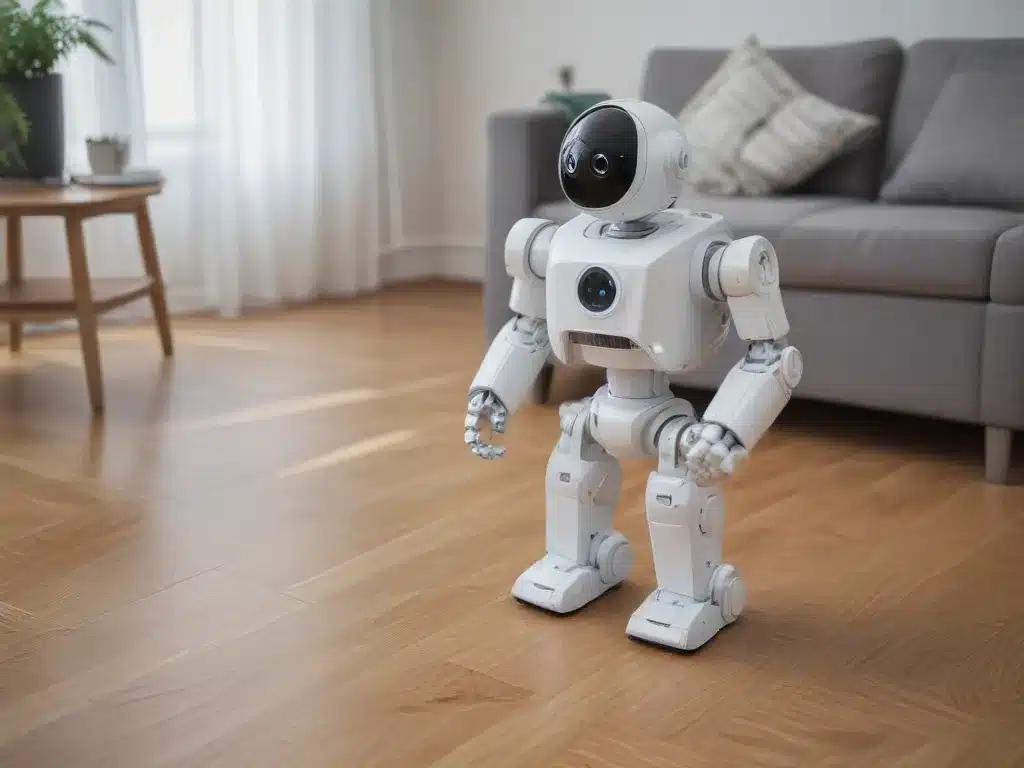
Navigating the Unseen: Unleashing the Power of Computer Vision in Robotic Cleaning
As an avid proponent of technological advancements in the cleaning industry, I have long been fascinated by the potential of computer vision to revolutionize the way we approach cleaning tasks, particularly in hard-to-reach areas. In this comprehensive article, I will delve into the intricacies of using computer vision to guide robots under furniture, exploring the numerous benefits and practical applications of this cutting-edge technology.
The Challenges of Cleaning Under Furniture
The surfaces and crevices beneath furniture have long been a cleaning conundrum, often evading the reach of traditional cleaning methods. Furniture legs, low-clearance spaces, and cluttered areas can pose significant obstacles for even the most diligent of human cleaners. The inability to effectively clean these hard-to-reach zones can lead to the accumulation of dust, debris, and allergens, compromising the overall cleanliness and air quality of a space.
Bridging the Gap: Computer Vision and Robotic Cleaning
The advent of computer vision has provided a remarkable solution to this challenge. Computer vision, a field of artificial intelligence, enables machines to perceive, process, and interpret visual information, much like the human eye and brain. By integrating computer vision into robotic cleaning systems, we can now empower these machines to navigate and clean the areas under furniture with unprecedented precision and efficiency.
Navigating the Unseen: Computer Vision’s Superpowers
The key to unlocking the potential of computer vision in robotic cleaning lies in its ability to create a detailed, three-dimensional map of the cleaning environment. Through the use of sensors, such as cameras and depth-sensing technology, robots can accurately detect the presence and location of furniture, obstacles, and hard-to-reach areas. This comprehensive understanding of the surroundings allows the robots to plan and execute their cleaning routes with pinpoint accuracy, ensuring no corner is left untouched.
Adaptive Cleaning Strategies: Tailoring the Approach
One of the remarkable aspects of using computer vision in robotic cleaning is the ability to adapt the cleaning strategies to the unique challenges posed by each environment. By analyzing the visual data captured by the robots, the cleaning system can identify the specific obstacles and patterns within a space, and then adjust its cleaning methods accordingly. This could involve altering the robot’s speed, adjusting the cleaning tools or attachments, or even incorporating specialized techniques to navigate tight spaces or around delicate objects.
Precision and Consistency: The Hallmarks of Computer Vision-Guided Cleaning
The precision and consistency afforded by computer vision-guided robots are truly astounding. Unlike human cleaners, who may miss certain areas or struggle to maintain a uniform cleaning standard, these robotic systems can meticulously clean every nook and cranny, ensuring a thorough and uniform result every time. This level of precision not only enhances the overall cleanliness of the environment but also minimizes the risk of missed spots or uneven cleaning.
Versatility and Adaptability: Unlocking New Possibilities
The versatility of computer vision-guided robotic cleaning systems goes beyond just reaching under furniture. These advanced systems can be adapted to tackle a wide range of cleaning challenges, from navigating complex floor plans to identifying and removing specific types of dirt and debris. As the technology continues to evolve, we can expect to see even more impressive feats, such as the ability to identify and remove allergens or detect and address potential health and safety hazards.
Empowering Cleanliness: The Benefits of Computer Vision-Guided Cleaning
The integration of computer vision into robotic cleaning systems offers a multitude of benefits, both for professional cleaning services and individual homeowners. By automating the process of cleaning under furniture and other hard-to-reach areas, these systems can save time, reduce physical strain on cleaning staff, and ensure a consistently high level of cleanliness throughout the entire space.
Moreover, the improved cleaning efficiency and attention to detail can have far-reaching implications for indoor air quality, the elimination of allergens, and the overall well-being of occupants. By consistently removing dust, debris, and other pollutants from these previously inaccessible zones, computer vision-guided robots can contribute to a healthier living and working environment.
Embracing the Future: Cleaning with Computer Vision
As we look to the future, the integration of computer vision in robotic cleaning is poised to become an increasingly integral part of the cleaning industry. By harnessing the power of this advanced technology, we can unlock new levels of efficiency, precision, and adaptability, transforming the way we approach cleaning tasks and ensuring the highest standards of cleanliness in even the most challenging environments.
At AdamCleaning.uk, we are at the forefront of this technological revolution, constantly exploring and implementing the latest advancements in computer vision-guided robotic cleaning. Our commitment to providing our clients with the most cutting-edge cleaning solutions is unwavering, and we are excited to continue pushing the boundaries of what is possible in the realm of automated, precision-driven cleaning.
Unleashing the Potential: Real-World Case Studies in Computer Vision-Guided Robotic Cleaning
To illustrate the real-world applications and benefits of computer vision-guided robotic cleaning, let us examine a few case studies that showcase the transformative impact of this technology.
Case Study 1: Transforming a High-Traffic Office Space
In a bustling office environment, where desks, chairs, and filing cabinets are ubiquitous, the task of maintaining a consistently clean and healthy workspace can be daunting. The team at AdamCleaning.uk was approached by the management of a large corporate office to address this challenge.
By deploying a fleet of computer vision-guided robots, our team was able to thoroughly clean the hard-to-reach areas under and around the office furniture, including the spaces between desks and behind filing cabinets. The robots’ ability to navigate these intricate spaces with precision and efficiency resulted in a dramatic improvement in the overall cleanliness of the office, reducing the buildup of dust, debris, and allergens.
The client was impressed with the consistent and thorough cleaning results, noting a marked improvement in indoor air quality and a healthier work environment for their employees. The automated nature of the computer vision-guided cleaning also freed up valuable time for the in-house cleaning staff, allowing them to focus on other high-priority tasks and enhancing the overall efficiency of the cleaning operations.
Case Study 2: Restoring a Historic Museum’s Delicate Exhibits
Maintaining the cleanliness of a museum’s exhibits, particularly in areas with delicate and intricate furniture, can be a complex and challenging task. The team at AdamCleaning.uk was approached by the curators of a prestigious historical museum to address this concern.
By integrating computer vision technology into their robotic cleaning systems, our team was able to navigate the intricate displays and exhibits with the utmost care and precision. The robots’ ability to detect and avoid delicate objects, while thoroughly cleaning the surrounding areas, ensured that the museum’s priceless artifacts remained unharmed and the displays maintained their pristine condition.
The museum’s curatorial staff expressed their satisfaction with the results, highlighting the enhanced cleanliness of the exhibits and the peace of mind that came with knowing their valuable collections were being cared for with the highest level of attention and care. The computer vision-guided cleaning approach also enabled the museum to maintain a consistent cleaning schedule without disrupting the visitor experience or risking any damage to the exhibits.
Case Study 3: Revitalizing a High-End Residential Property
In the realm of luxury real estate, maintaining the pristine condition of a property is of paramount importance. The team at AdamCleaning.uk was enlisted by the owners of a prestigious penthouse apartment to address the persistent challenge of cleaning the hard-to-reach areas beneath the custom-designed furniture.
By deploying computer vision-guided robotic cleaning systems, our team was able to access and thoroughly clean the hidden spaces under the apartment’s intricate furnishings, including the delicate coffee tables, ornate cabinets, and low-profile seating arrangements. The robots’ ability to navigate these areas with precision and care ensured that not a single corner was left untouched, effectively eliminating the buildup of dust, allergens, and other contaminants.
The property owners were delighted with the results, expressing their appreciation for the meticulous attention to detail and the seamless integration of the robotic cleaning systems into the overall maintenance of their high-end residence. The consistent and thorough cleaning achieved through the use of computer vision technology not only preserved the pristine appearance of the property but also contributed to the health and well-being of the occupants.
Navigating the Future: Advancements and Emerging Trends in Computer Vision-Guided Robotic Cleaning
As the cleaning industry continues to evolve, the role of computer vision in robotic cleaning systems is poised to become increasingly prominent. Let us explore some of the exciting advancements and emerging trends that are shaping the future of this transformative technology.
Enhancing Precision and Adaptability
The ongoing development of computer vision algorithms and sensor technologies is enabling robotic cleaning systems to achieve even greater levels of precision and adaptability. Advancements in 3D mapping, object recognition, and dynamic route planning are allowing these robots to navigate complex environments with unparalleled accuracy, ensuring that no area is overlooked or missed.
Furthermore, the integration of machine learning and artificial intelligence is empowering these systems to adapt their cleaning strategies in real-time, responding to changes in the environment and optimizing their performance for maximum efficiency.
Expanding Functionality and Versatility
As computer vision technology continues to evolve, we can expect to see robotic cleaning systems expand their functionality and versatility. Beyond the traditional cleaning tasks, these advanced machines may soon be capable of identifying and addressing specific types of dirt, debris, and even potential health hazards, such as allergens or microbial growth.
Additionally, the integration of advanced sensors and analytical capabilities could enable these robots to provide valuable insights and data-driven recommendations to cleaning professionals and facility managers, further enhancing the overall efficiency and effectiveness of cleaning operations.
Seamless Integration with Smart Home and Building Technologies
The rise of the “smart home” and “smart building” concepts has opened up new avenues for the integration of computer vision-guided robotic cleaning systems. By seamlessly connecting with other smart devices and building management systems, these cleaning robots can become part of a comprehensive, interconnected ecosystem, optimizing their performance and coordinating their efforts with other building systems.
This level of integration could lead to enhanced energy efficiency, improved resource utilization, and more streamlined maintenance protocols, ultimately creating a more sustainable and intelligent cleaning approach.
Addressing Specialized Cleaning Challenges
As the cleaning industry continues to evolve, new and specialized cleaning challenges are likely to emerge. Computer vision-guided robotic cleaning systems are poised to play a pivotal role in addressing these unique challenges, whether it’s navigating intricate historical sites, maintaining the cleanliness of sensitive healthcare environments, or tackling the cleaning requirements of specialized industrial facilities.
By leveraging the precision, adaptability, and versatility of computer vision technology, these robotic systems can be tailored to meet the specific needs of diverse cleaning applications, ensuring a consistently high level of cleanliness and efficiency.
Enhancing Human-Robot Collaboration
While the rise of computer vision-guided robotic cleaning systems may raise concerns about job displacement, the reality is that these technologies are designed to complement and empower human cleaners, not replace them. The future of cleaning is likely to involve a seamless collaboration between humans and robots, where each contributes their unique strengths and capabilities.
Robotic systems can handle the monotonous, repetitive, and physically demanding tasks, while human cleaners can oversee the operations, provide specialized expertise, and address more complex or unpredictable cleaning challenges. This symbiotic relationship can lead to increased productivity, improved job satisfaction for cleaning professionals, and a heightened overall standard of cleanliness.
Embracing the Future: The Transformative Potential of Computer Vision-Guided Robotic Cleaning
As we delve deeper into the world of computer vision-guided robotic cleaning, it becomes increasingly clear that this technology holds the key to revolutionizing the cleaning industry. By empowering robots to navigate and clean the hard-to-reach areas under furniture, we can unlock new levels of efficiency, precision, and attention to detail, transforming the way we approach cleaning tasks.
The benefits of this technological advancement are multifaceted, from enhancing indoor air quality and eliminating allergens to freeing up valuable time for cleaning professionals and ensuring a consistently high standard of cleanliness. As the field of computer vision continues to evolve, we can expect to see even more impressive feats, with robots capable of identifying and addressing specialized cleaning challenges with unparalleled accuracy and adaptability.
At AdamCleaning.uk, we are at the forefront of this technological revolution, constantly exploring and implementing the latest advancements in computer vision-guided robotic cleaning. Our commitment to providing our clients with the most cutting-edge cleaning solutions is unwavering, and we are excited to continue pushing the boundaries of what is possible in the realm of automated, precision-driven cleaning.
As we look to the future, the integration of computer vision in robotic cleaning is poised to become an increasingly integral part of the cleaning industry, empowering us to create cleaner, healthier, and more sustainable environments. By embracing this transformative technology, we can unlock new possibilities and redefine the standards of cleanliness, one robot-guided step at a time.