The Curse of Dust: Why Cleaning is a Never-Ending Battle
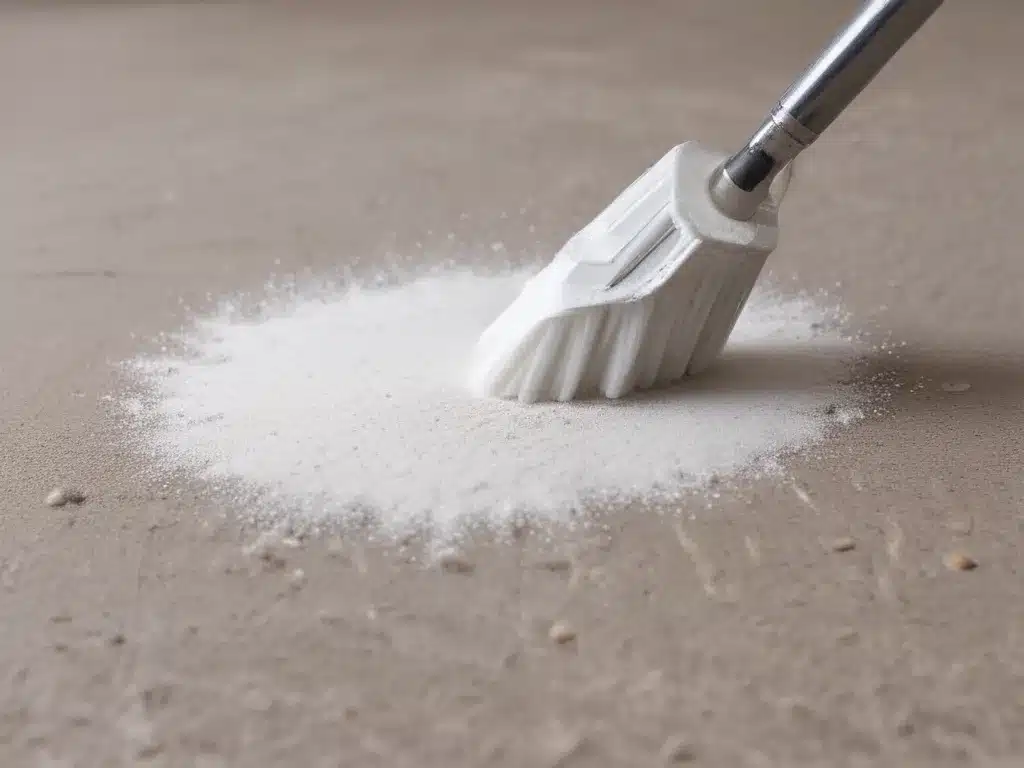
The accumulation of dust in our homes and workspaces is a constant frustration. I can recall countless times when I’ve diligently cleaned a surface, only to return a few days later to find it blanketed in a layer of fine particles. This endless cycle of cleaning and re-cleaning is not only time-consuming but also a significant drain on our energy and resources. It’s a battle that often feels like a losing one, but what if I told you there’s a solution that can make dusting a thing of the past?
The problem with traditional cleaning methods lies in their inability to address the root cause of dust buildup. Conventional cleaning products and techniques can remove visible dirt and grime, but they do little to prevent the microscopic particles that continuously settle on our surfaces. These tiny specks, often invisible to the naked eye, are the bane of our cleaning efforts, stubbornly clinging to every nook and cranny.
But what if I told you that the solution to this age-old problem lies in the realm of nanotechnology? This cutting-edge field of science has unveiled a revolutionary approach to surface treatment that can fundamentally change the way we think about cleaning.
Nanotech Surfaces: The Future of Clean
Nanotechnology is the study and manipulation of materials at the atomic and molecular scale, and its applications in the world of cleaning and surface treatment are truly transformative. By engineering surfaces at the nanoscale, we can create materials that actively resist the accumulation of dust and grime, effectively making them self-cleaning.
These nanotech surfaces work by altering the physical and chemical properties of the material, creating a surface that is inhospitable to dust particles. One of the key mechanisms behind this technology is the creation of a superhydrophobic, or water-repellent, surface. When water droplets encounter these surfaces, they bead up and easily roll off, taking any dust or dirt with them.
But the benefits of nanotech surfaces don’t stop there. These innovative materials can also be designed to be antibacterial, antifungal, and even self-healing, further enhancing their cleaning and maintenance capabilities. Imagine a world where your kitchen countertops, bathroom tiles, or even your car’s exterior never need to be dusted again.
The Science Behind Nanotech Surfaces
The science behind nanotech surfaces is both fascinating and complex. At the core of this technology are nanoscale structures that are engineered to create specific surface properties. These structures can take on a variety of shapes and patterns, each with its own unique cleaning and self-cleaning capabilities.
One of the most common nanotech surface structures is the lotus leaf effect, named after the naturally occurring self-cleaning properties of the lotus plant. The leaves of the lotus plant are covered in microscopic bumps and grooves that create a superhydrophobic surface, causing water droplets to easily roll off and take any dirt or debris with them.
Another innovative approach is the use of nanoparticles, such as titanium dioxide (TiO2), to create photocatalytic surfaces. These surfaces can break down organic matter, including dust, dirt, and even certain bacteria, when exposed to light. This self-cleaning mechanism is particularly useful for high-traffic areas or surfaces that are difficult to reach.
But the engineering of nanotech surfaces goes far beyond just these two examples. Researchers are constantly exploring new ways to harness the power of nanotechnology to create surfaces that are not only self-cleaning but also durable, scratch-resistant, and aesthetically pleasing.
The Practical Applications of Nanotech Surfaces
The potential applications of nanotech surfaces are vast and far-reaching. Imagine a world where your kitchen countertops never require wiping down, where your windows stay sparkling clean for months, and where your car’s exterior maintains a pristine shine without the need for constant polishing.
In the healthcare industry, nanotech surfaces are already being used to create self-sanitizing hospital surfaces, reducing the risk of healthcare-associated infections. These surfaces can actively kill bacteria, viruses, and other pathogens, providing an additional layer of protection for patients and healthcare workers.
The construction and building industry is also embracing the power of nanotech surfaces. Imagine exterior paints that never need repainting, or concrete surfaces that repel water and prevent the growth of mold and mildew. These advancements can not only improve the aesthetic appeal of buildings but also reduce the overall maintenance costs.
Even in the consumer electronics industry, nanotech surfaces are making their mark. Smartphone screens coated with self-cleaning nanotech treatments can resist fingerprints and smudges, keeping your device looking fresh and clean for longer.
The Environmental Impact of Nanotech Surfaces
As we explore the many benefits of nanotech surfaces, it’s important to also consider the potential environmental impact of this technology. After all, the cleaning and maintenance products we use today often contain harsh chemicals that can be harmful to the environment.
Nanotech surfaces offer a promising solution to this problem. By reducing the need for traditional cleaning products and methods, we can significantly reduce the amount of harmful chemicals that end up in our waterways and soil. Additionally, the self-cleaning properties of these surfaces can help conserve water, as there is less need for frequent cleaning and rinsing.
Moreover, the longer lifespan of nanotech-treated surfaces can lead to a reduction in resource consumption and waste. Imagine a world where your kitchen countertops or car’s exterior don’t need to be replaced or refinished as often, resulting in less raw material extraction and less waste going to landfills.
The Future of Cleaning: Embracing Nanotech Surfaces
As we look to the future, it’s clear that nanotech surfaces have the potential to revolutionize the way we clean and maintain our living and working spaces. By harnessing the power of nanotechnology, we can create surfaces that are not only self-cleaning but also more durable, hygienic, and environmentally friendly.
The implementation of nanotech surfaces can have a profound impact on our daily lives, freeing us from the endless cycle of dusting and cleaning. Imagine a future where you can simply wipe down a surface with a damp cloth, and the dirt and grime simply vanish, never to return. This is the promise of nanotech surfaces, and it’s a future that is rapidly becoming a reality.
At AdamCleaning.uk, we are excited to be at the forefront of this technological revolution. Our team of experts is dedicated to exploring the latest advancements in nanotech surfaces and incorporating them into our cleaning and maintenance services. Whether it’s in the healthcare, construction, or consumer electronics sectors, we are committed to helping our clients embrace the power of this transformative technology and make dusting a thing of the past.
So, if you’re tired of the constant battle against dust and grime, I encourage you to explore the world of nanotech surfaces and discover how they can revolutionize the way you clean and maintain your spaces. The future of clean is here, and it’s time to embrace it.