The Struggle with Oven Cleaning
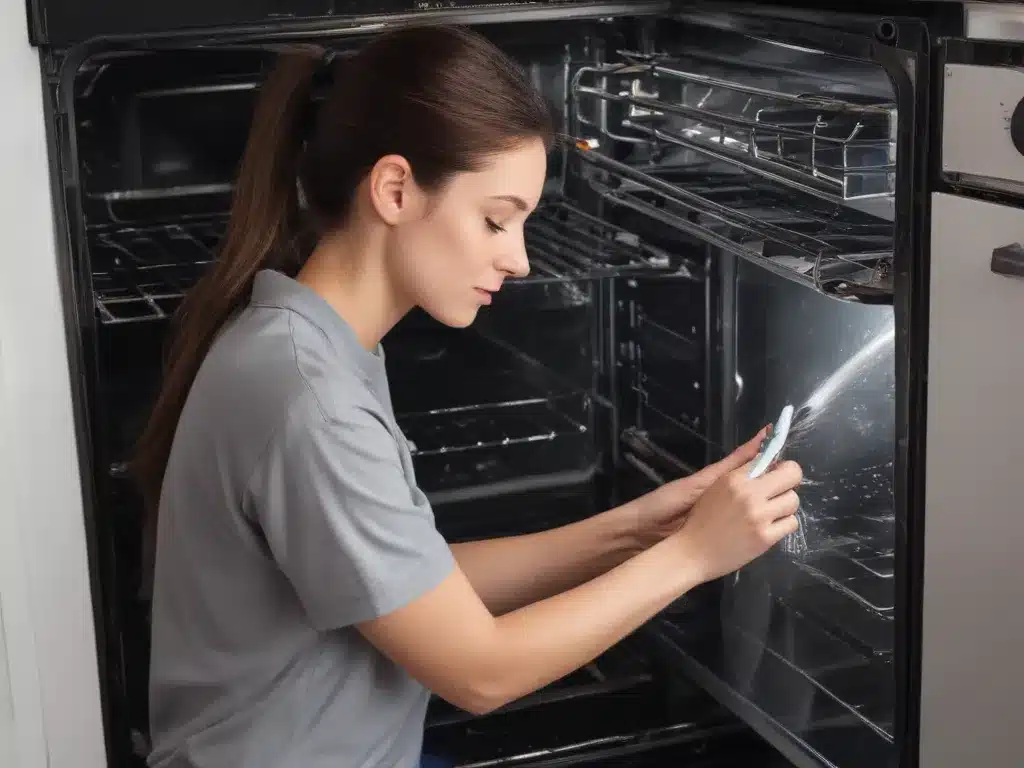
As a busy homeowner, I understand the frustration that comes with keeping an oven clean. The constant buildup of grease, food spills, and grime can be a real eyesore, not to mention a potential fire hazard. Traditional oven cleaning methods, such as scrubbing and using harsh chemicals, can be time-consuming, tedious, and often ineffective. Fortunately, modern ovens come equipped with self-cleaning modes that can make the task of removing grime a breeze.
In this comprehensive article, I will explore the benefits of self-cleaning oven modes and provide you with the knowledge to effectively utilize these features to keep your oven sparkling clean. I will delve into the science behind these modes, the different types available, and how to properly use them to achieve the best results. Additionally, I will share some tips and tricks to ensure your oven stays clean for longer, saving you time and effort in the long run.
Understanding Self-Cleaning Oven Modes
Self-cleaning oven modes are a game-changer for anyone who dreads the chore of oven cleaning. These innovative features use high heat to break down and eliminate built-up grime, grease, and food residue, making the cleaning process much more efficient and effortless. But how exactly do these self-cleaning modes work?
The self-cleaning cycle in an oven typically operates at temperatures between 800°F and 900°F, which is significantly higher than the typical baking or broiling temperatures. This intense heat triggers a chemical reaction that turns the accumulated grime and food particles into a fine ash, which can then be easily wiped away. The process is often referred to as “pyrolytic cleaning,” as it relies on the power of high heat to break down the contaminants.
One of the key benefits of self-cleaning oven modes is their ability to reach and clean areas that are difficult to access manually. The high heat can penetrate into crevices and corners, ensuring that even the most stubborn baked-on messes are effectively removed. This not only saves you time and effort but also helps maintain the overall performance and efficiency of your oven.
Types of Self-Cleaning Oven Modes
When it comes to self-cleaning oven modes, there are several different options available, each with its own unique features and benefits. Understanding the differences between these modes can help you choose the one that best suits your needs and oven.
Standard Self-Cleaning Mode
The standard self-cleaning mode is the most common type found in many ovens. This mode typically runs for a duration of 2 to 4 hours, during which the oven reaches temperatures between 800°F and 900°F. The high heat effectively turns the built-up grime and food particles into a fine ash, which can then be easily wiped away after the cycle is complete.
Timed Self-Cleaning Mode
Some ovens offer a timed self-cleaning mode, which allows you to customize the duration of the cleaning cycle. This can be particularly useful if you have a smaller amount of grime to remove or if you need to run the cycle during a specific time of day. The timed mode may range from as little as 1 hour up to 4 hours, depending on the model and the severity of the oven’s cleanliness.
Delayed Self-Cleaning Mode
Another variation of the self-cleaning feature is the delayed self-cleaning mode. This mode allows you to program the oven to start the self-cleaning cycle at a later time, such as overnight or while you’re away from home. This can be beneficial if you need to run the cycle during a time when the oven won’t be in use, or if you want to take advantage of off-peak electricity rates.
Steam-Assisted Self-Cleaning
Some ovens are equipped with a steam-assisted self-cleaning mode. This mode combines the high heat of the standard self-cleaning cycle with the power of steam to break down and remove grime. The steam helps to loosen and dissolve the buildup, making it easier to wipe away once the cycle is complete. This mode may be gentler on the oven’s interior and can be a good option for those who prefer a less intensive cleaning process.
Preparing Your Oven for Self-Cleaning
Before running a self-cleaning cycle, it’s essential to properly prepare your oven to ensure the best results and to avoid any potential issues. Here are the key steps to take:
Remove Racks and Accessories
The first step is to remove all racks, foil liners, and any other accessories from the oven. These items may not be able to withstand the high temperatures of the self-cleaning cycle and could become damaged or discolored. It’s important to follow the manufacturer’s instructions on which items can be left in the oven during the self-cleaning process.
Clean the Oven Door Gasket
The oven door gasket, which is the seal around the oven door, should be cleaned before running the self-cleaning cycle. This gasket can accumulate grime and debris over time, which can impact the effectiveness of the self-cleaning mode. Use a soft cloth and mild cleaning solution to gently wipe down the gasket, taking care not to damage it.
Check for Excessive Spills or Buildup
Before starting the self-cleaning cycle, inspect the oven cavity for any excessive spills or buildup of grime. If you notice large amounts of accumulated food or grease, it’s a good idea to do a manual clean-up first to prevent the self-cleaning mode from being overwhelmed. This will help ensure a more thorough and effective cleaning.
Ventilate the Kitchen
The self-cleaning cycle can release fumes and smoke, so it’s important to ensure proper ventilation in your kitchen. Open windows, turn on exhaust fans, and consider running the self-cleaning mode when you’ll be out of the house or when the kitchen is well-ventilated.
Maximizing the Effectiveness of Self-Cleaning Modes
Once you’ve properly prepared your oven, it’s time to run the self-cleaning cycle. However, to get the best results, there are a few additional tips and considerations to keep in mind.
Timing the Cycle
The duration of the self-cleaning cycle can vary depending on the oven model and the level of grime buildup. In general, a longer cycle (3-4 hours) is recommended for heavily soiled ovens, while a shorter cycle (1-2 hours) may be sufficient for ovens that are relatively clean. Pay attention to the manufacturer’s recommendations and adjust the cycle time accordingly.
Monitoring the Process
It’s a good idea to periodically check on the oven during the self-cleaning cycle. This allows you to monitor the process and ensure that the oven is functioning correctly. If you notice any unusual noises, smoke, or other issues, it’s best to stop the cycle and consult the manufacturer’s instructions.
Proper Cooling and Cleaning
Once the self-cleaning cycle is complete, the oven will need to cool down completely before you can safely open the door and access the interior. Depending on the oven model, this cooling period can take several hours. Once the oven has cooled, use a damp cloth to wipe away any remaining ash or residue, ensuring a sparkling clean oven.
Maintaining Cleanliness
To keep your oven in top condition, it’s essential to establish a regular cleaning routine. Consider running the self-cleaning cycle every few months, or as needed, to prevent the buildup of grime and ensure your oven remains in optimal working condition. Additionally, spot-cleaning the oven between self-cleaning cycles can help maintain its cleanliness.
Case Study: Transforming a Neglected Oven
In my experience as a homeowner, I’ve encountered my fair share of ovens in dire need of a deep clean. One particular case stands out, where I inherited an oven that had been neglected for years, with layers of baked-on grime and stubborn food stains.
The oven’s interior was a mess, with dark, discolored walls and a sticky, uneven surface that made it difficult to cook evenly. Attempting to clean it manually proved to be a frustrating and ineffective task, as the buildup was simply too extensive.
Determined to restore the oven to its former glory, I decided to give the self-cleaning mode a try. I followed the manufacturer’s instructions to the letter, removing the racks and accessories, cleaning the door gasket, and ensuring proper ventilation in the kitchen.
As the self-cleaning cycle ran, I could see the oven temperature steadily rising, and the smoke and fumes being effectively evacuated through the exhaust system. When the cycle was complete, I was amazed to find the oven’s interior transformed – the walls were sparkling clean, and the surface was smooth and even, ready to provide optimal cooking performance.
This experience reinforced my belief in the power of self-cleaning oven modes and their ability to tackle even the most stubborn oven grime. By taking the time to properly prepare the oven and follow the recommended steps, I was able to reclaim a neglected appliance and restore it to its former glory. The self-cleaning feature proved to be a game-changer, saving me countless hours of manual scrubbing and allowing me to enjoy a clean, efficient oven once again.
Conclusion
In conclusion, the self-cleaning oven mode is a remarkable feature that can simplify the arduous task of oven cleaning. By harnessing the power of high heat, these innovative modes can effectively break down and eliminate built-up grime, grease, and food residue, making the cleaning process much more efficient and effortless.
Whether you opt for the standard self-cleaning mode, the timed version, or the steam-assisted option, these features can save you time, effort, and the need for harsh chemical cleaners. By understanding how to properly prepare your oven and maximize the effectiveness of these self-cleaning cycles, you can enjoy a sparkling clean oven with minimal hassle.
As a busy homeowner, I can attest to the transformative power of self-cleaning oven modes. By incorporating this feature into my regular oven maintenance routine, I’ve been able to keep my oven in top condition, ensuring optimal cooking performance and a clean, hygienic environment for food preparation.
If you’re struggling with the constant battle of oven cleaning, I encourage you to explore the self-cleaning options available in your oven and take advantage of this game-changing feature. With a little preparation and the right approach, you can say goodbye to the grime and hello to a clean, well-maintained oven that makes your life easier and your cooking experience more enjoyable.
Remember, for all your oven cleaning and maintenance needs, be sure to visit AdamCleaning.uk/services/ to explore their comprehensive range of solutions. Happy cleaning!