Understanding the Importance of Cleaning Hidden Grime
Maintaining a clean and well-kept living or work environment is crucial for our health and overall well-being. While we often focus on the visible surfaces, such as countertops, floors, and windows, the hidden areas behind fixtures can harbor significant amounts of grime and dirt. This hidden grime can pose serious health risks, contribute to the deterioration of surfaces, and create an unpleasant atmosphere.
As a professional cleaning expert, I firmly believe that addressing the hidden grime behind fixtures should be an integral part of any comprehensive cleaning regimen. In this article, I will delve into the importance of removing hidden grime, the potential health hazards it poses, and provide actionable steps to effectively clean these often-overlooked areas.
Identifying Hidden Grime Behind Fixtures
The first step in addressing hidden grime is to understand where it can accumulate. Common areas where grime can build up include:
– Behind sinks, toilets, and bathtubs
– Under and behind large appliances, such as refrigerators and washing machines
– Inside cabinets, drawers, and shelves
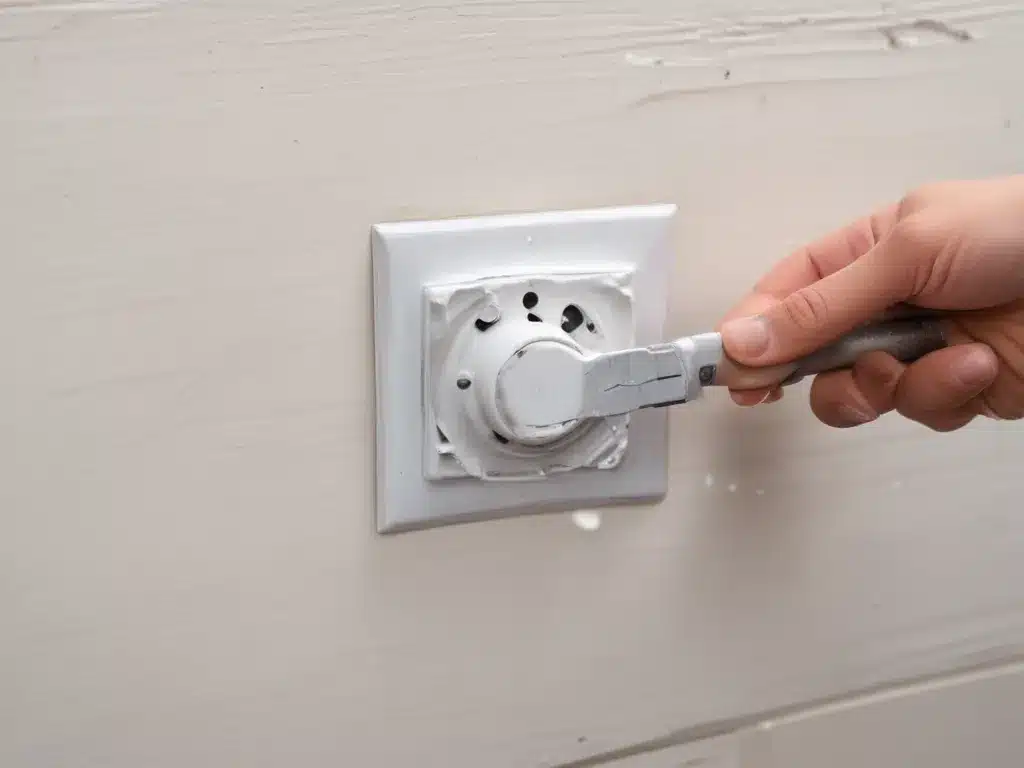
– Around light switches, electrical outlets, and other fixtures
– Inside air vents and ductwork
These hidden spaces can become breeding grounds for dust, grease, and even mold, which can have serious implications for your health and the longevity of your property.
Potential Health Risks of Hidden Grime
Exposure to hidden grime can lead to a variety of health problems, including:
– Respiratory issues: Dust, mold, and other airborne contaminants can aggravate asthma, allergies, and other respiratory conditions.
– Skin irritations: Accumulated grime and bacteria can cause skin rashes, irritation, and even infections.
– Illness: Certain types of mold and bacteria found in hidden areas can lead to more severe health issues, such as respiratory infections and even neurological problems.
Neglecting to address hidden grime can also contribute to the deterioration of surfaces and fixtures, leading to costly repairs or replacements down the line.
Effective Strategies for Cleaning Hidden Grime
Removing hidden grime requires a systematic and thorough approach. Here are some effective strategies to tackle this challenge:
1. Utilize the Right Tools and Cleaning Products
Equipping yourself with the appropriate tools and cleaning products can make a significant difference in your ability to access and clean hidden areas. Consider using:
– Telescoping wands or extension poles to reach behind and under fixtures
– Microfiber cloths and scrub brushes to effectively dislodge and remove grime
– Specialized cleaning solutions designed to cut through grease, soap scum, and mold
2. Employ Proper Cleaning Techniques
Adopting the right cleaning techniques is crucial for effectively removing hidden grime. This includes:
– Disassembling fixtures, such as removing sink baskets or lifting appliances, to access hard-to-reach areas
– Using a combination of wet and dry cleaning methods, such as wiping with a damp cloth and then using a dry microfiber cloth to absorb any remaining moisture
– Paying close attention to corners, crevices, and other areas where grime can accumulate
3. Establish a Consistent Cleaning Routine
Maintaining a consistent cleaning routine is key to preventing the buildup of hidden grime. Incorporate a regular schedule for cleaning behind and under fixtures, as well as other hidden areas. This could include:
– Weekly or bi-weekly deep cleaning sessions to address these spaces
– Periodic check-ups to identify any emerging issues or areas that require attention
4. Utilize Professional Cleaning Services
For particularly challenging or time-consuming cleaning tasks, consider enlisting the help of professional cleaning services, such as those offered by AdamCleaning.uk. Their experienced team can provide thorough and efficient cleaning of hidden grime, ensuring your living or work environment remains healthy and well-maintained.
Real-Life Case Examples
To illustrate the importance of addressing hidden grime, let’s consider a few real-life case examples:
Case Study 1: The Neglected Kitchen
In a client’s kitchen, the homeowner had been neglecting the area behind the refrigerator for years. Upon our inspection, we discovered a significant buildup of dust, grease, and even mold in this hidden space. The poor air quality contributed to respiratory issues for the family, and the accumulated grime had also begun to damage the wall and floor surfaces. By thoroughly cleaning this area and implementing a regular maintenance plan, we were able to improve the indoor air quality and prevent further damage to the property.
Case Study 2: The Bathroom Mold Outbreak
A tenant in a rental property had reported a recurring mold problem in the bathroom. Upon investigation, we found that the mold was not only present on the visible surfaces but had also penetrated deep into the crevices behind the toilet and sink. By carefully disassembling the fixtures and thoroughly cleaning the hidden areas, we were able to eliminate the root cause of the mold issue and prevent it from resurfacing.
These real-life examples highlight the importance of addressing hidden grime and the potential consequences of neglecting these areas. By taking a proactive approach and implementing effective cleaning strategies, homeowners and tenants can maintain a healthier, more well-kept living or work environment.
Conclusion
Removing hidden grime behind fixtures is a crucial aspect of comprehensive cleaning and maintenance. By understanding the potential health risks, utilizing the right tools and techniques, and establishing a consistent cleaning routine, you can ensure that your living or work environment remains clean, safe, and well-preserved.
Remember, as a professional cleaning expert, I’m here to help you tackle even the most challenging cleaning tasks, including the removal of hidden grime. Feel free to reach out to AdamCleaning.uk for expert guidance and assistance in maintaining a healthy, clutter-free space.