Understanding the Importance of Decluttering Kids’ Rooms
I understand that keeping a child’s room organized and clutter-free can be a daunting task. As a parent, I have experienced the challenges of balancing my child’s desire to hold onto every toy and trinket with the need for a functional, peaceful living space. However, I have learned that decluttering a child’s room can have a profound impact on their well-being and development.
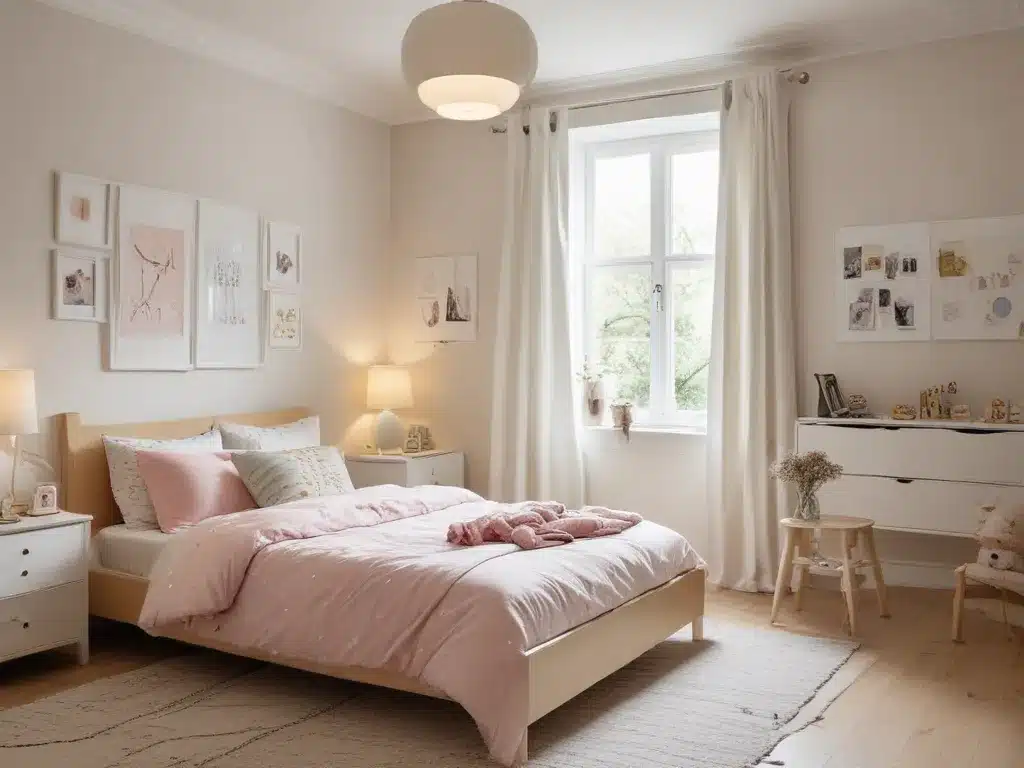
One of the primary benefits of a decluttered kids’ room is the sense of calm and clarity it can bring to the child’s environment. When a room is filled with too many toys, clothes, and other items, it can create a feeling of visual overwhelm, which can have a negative impact on a child’s ability to focus and relax. By removing the excess, we can create a space that is more conducive to learning, creativity, and rest.
Moreover, studies have shown that a decluttered environment can also have a positive impact on a child’s mental and emotional health. Clutter can contribute to feelings of anxiety and frustration, and can even interfere with a child’s ability to process and manage their emotions. By creating a more organized and intentional living space, we can help our children develop healthier coping mechanisms and a greater sense of control over their environment.
Identifying Causes of Clutter in Kids’ Rooms
When it comes to decluttering a child’s room, it’s important to first understand the root causes of the clutter. What are the factors that contribute to the accumulation of stuff in a child’s space? By addressing these underlying issues, we can develop more effective strategies for maintaining a tidy and organized room.
One common cause of clutter in kids’ rooms is the tendency for children to hold onto toys and items that they no longer use or play with. As children grow and their interests change, their collection of possessions can quickly become overwhelming. Additionally, well-meaning family members and friends may contribute to the problem by gifting children with new toys and items on a regular basis.
Another factor that can contribute to clutter in a child’s room is a lack of storage solutions and organizational systems. Without designated places for toys, clothes, and other belongings, items tend to accumulate in haphazard ways, creating a sense of disarray.
Furthermore, the way in which a child’s room is designed and laid out can also play a role in the accumulation of clutter. If the room is not optimized for efficient storage and organization, it can be more challenging to maintain a tidy and clutter-free environment.
Developing a Decluttering Plan for Kids’ Rooms
Now that we’ve identified some of the common causes of clutter in kids’ rooms, let’s explore strategies for developing an effective decluttering plan.
The first step in the decluttering process is to involve your child in the process. Encourage them to participate in the decision-making and take ownership of their space. This not only helps to ensure that the decluttering process is aligned with their needs and preferences, but it also teaches them valuable organizational skills that they can apply throughout their lives.
When it comes to the actual decluttering process, I recommend starting with a thorough assessment of the room. Take a close look at each item and determine whether it is still being used, whether it holds sentimental value, or whether it can be safely discarded or donated. This process can be made more engaging by involving your child in the decision-making process and making a game of it.
Once you’ve identified the items that can be removed from the room, it’s important to create a plan for organizing and storing the remaining items. This may involve investing in storage solutions such as shelves, bins, and baskets, or even rearranging the layout of the room to make better use of the available space.
It’s also crucial to establish a system for maintaining the decluttered state of the room. This may involve setting aside time each week or month to review the room and address any new clutter that has accumulated. By making decluttering a regular part of your family’s routine, you can help to ensure that the room stays organized and functional.
Involving Your Child in the Decluttering Process
As I mentioned earlier, involving your child in the decluttering process is essential to ensuring its long-term success. By empowering your child to make decisions about their belongings, you’re not only teaching them valuable organizational skills, but you’re also fostering a sense of ownership and investment in the process.
One way to engage your child in the decluttering process is to have them sort through their toys and belongings, separating items into categories such as “keep,” “donate,” and “discard.” This can be a fun and interactive activity, where you can work together to determine which items are still valuable and which ones can be let go.
Another effective strategy is to encourage your child to be selective about the toys and items they choose to keep. Ask them to consider which items they play with the most, which ones hold the most sentimental value, and which ones they feel they can live without. This can help to ensure that the items that remain in the room are truly meaningful and useful to your child.
In addition to involving your child in the decision-making process, it’s also important to create a sense of excitement and ownership around the decluttered space. Encourage your child to participate in the organization and storage of their belongings, and consider allowing them to have a say in the design and layout of the room. By making them an active participant in the process, you can help to ensure that they feel invested in maintaining the decluttered state of their space.
Incorporating Storage Solutions and Organization Strategies
One of the key components of a successful decluttering plan for a child’s room is the incorporation of effective storage solutions and organization strategies. By creating a well-organized and easily navigable space, you can help to ensure that the decluttered state of the room is maintained over time.
When it comes to storage solutions, I recommend investing in a variety of containers and storage systems that are specifically designed for children’s rooms. This may include storage bins, shelves, and even vertical storage solutions like wall-mounted organizers. By providing your child with designated spaces for their belongings, you can help to prevent the accumulation of clutter and encourage them to keep their room tidy.
In addition to physical storage solutions, it’s also important to consider organizational strategies that can help to keep your child’s room in order. This may include labeling storage containers, creating a system for sorting and categorizing items, and establishing a routine for putting away belongings. By teaching your child these organizational skills, you can empower them to maintain a decluttered and functional living space.
Another effective strategy for incorporating storage solutions and organization into your child’s room is to involve them in the process. Encourage your child to participate in the selection and placement of storage containers, and work together to develop a system that works for their unique needs and preferences. By making them an active participant in the process, you can help to foster a sense of ownership and investment in the decluttered space.
Maintaining a Decluttered Kids’ Room Over Time
Finally, it’s important to understand that decluttering a child’s room is not a one-time event, but rather an ongoing process that requires consistent effort and vigilance. As children grow and their needs and interests change, the items in their room will continue to accumulate and evolve. To maintain a decluttered and organized space, it’s essential to establish a regular routine for reviewing and addressing clutter.
One effective strategy for maintaining a decluttered kids’ room is to schedule regular “decluttering days” or weeks. During these designated times, you can work with your child to go through their belongings, identify items that are no longer needed or used, and make decisions about what to keep, donate, or discard. This not only helps to prevent the accumulation of clutter, but it also teaches your child valuable organizational skills that they can apply throughout their lives.
Another important aspect of maintaining a decluttered kids’ room is to establish clear guidelines and expectations around the care and organization of the space. This may involve setting rules around the number of toys or items that can be kept in the room, or requiring your child to put away their belongings before bedtime or before leaving for school. By setting these boundaries and expectations, you can help to reinforce the importance of maintaining a tidy and organized living space.
Finally, it’s important to remember that the process of decluttering and maintaining a child’s room is not just about the physical space, but also about the emotional and psychological well-being of the child. By creating a calm and organized environment, you can help your child to feel more focused, relaxed, and in control of their surroundings, which can have a positive impact on their overall development and well-being.
Conclusion
In conclusion, decluttering a child’s room can be a powerful tool for creating a more functional, peaceful, and nurturing living space. By understanding the root causes of clutter, developing an effective decluttering plan, and involving your child in the process, you can help to foster a sense of ownership and investment in the decluttered space. Additionally, by incorporating storage solutions and organization strategies, and maintaining the decluttered state of the room over time, you can help to ensure that your child’s living space remains a calm and organized environment that supports their growth and development.
Remember, the journey of decluttering a child’s room is not just about the physical space, but about the emotional and psychological well-being of your child. By creating a more organized and intentional living space, you can help to cultivate a sense of focus, calm, and control that can have a lasting impact on your child’s development and overall quality of life.
If you’re looking for additional support in decluttering and organizing your child’s room, I encourage you to visit https://adamcleaning.uk/services/, where you can find a range of professional cleaning and organization services that can help you achieve your goals. With the right strategies and support, you can create a fresh start for your child’s room and a more peaceful and nurturing living environment for the whole family.