
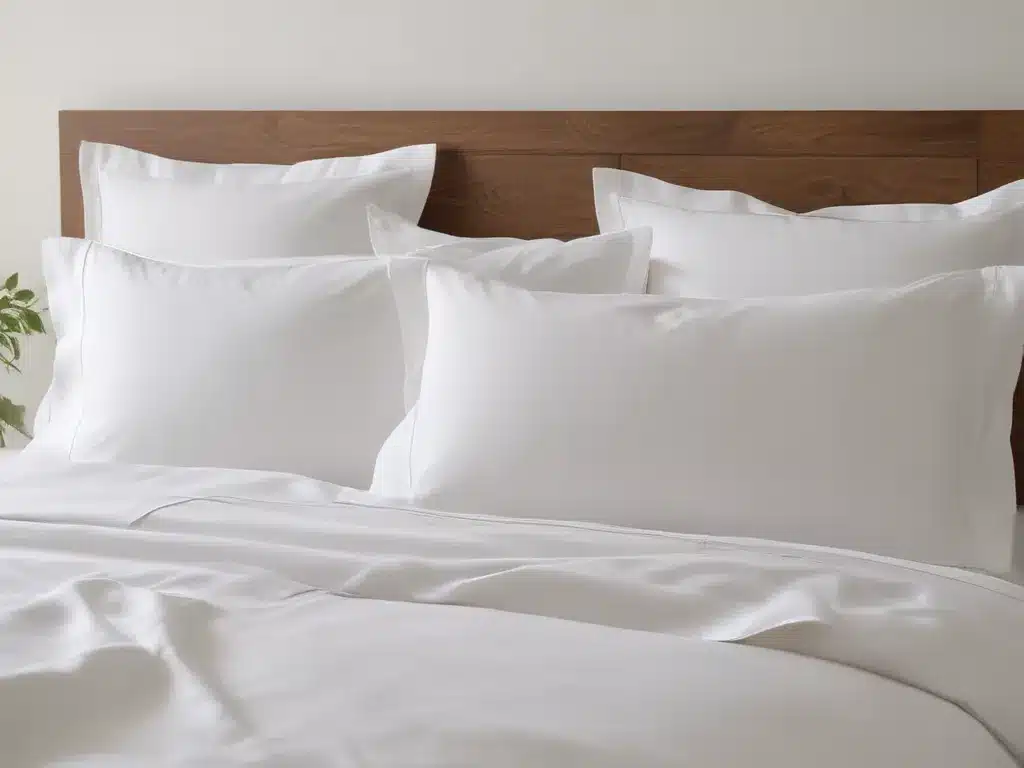
The Importance of Clean Bedding for Allergy Sufferers
As someone who has struggled with allergies for years, I know firsthand the importance of maintaining a clean and allergen-free sleeping environment. Our beds are where we spend a significant portion of our time, and the quality of our bedding can have a profound impact on our overall health and well-being. In this article, I will explore the reasons why regularly refreshing your bed linens is crucial for allergy relief, and provide you with practical tips to ensure your sleeping space is as allergen-free as possible.
Dust mites, pet dander, and other allergens can accumulate in our bedding over time, triggering a range of unpleasant symptoms for those with allergies. These can include sneezing, itching, watery eyes, and even difficulty breathing. By regularly washing and refreshing your bed linens, you can effectively remove these irritants and create a more comfortable sleeping environment.
The frequency with which you should wash your bedding can vary depending on a number of factors, such as the number of people using the bed, the presence of pets, and your personal sensitivity to allergens. As a general rule, I recommend washing your sheets, pillowcases, and duvet covers at least once a week, and your mattress pad or protector every two to four weeks. This will help to ensure that your bed remains a sanctuary of comfort and respite, rather than a breeding ground for allergens.
The Impact of Allergens on Sleep Quality
Allergens in the bedroom can have a significant impact on the quality of our sleep, which in turn can exacerbate our allergy symptoms. When our bodies are constantly fighting off irritants, it can be challenging to achieve the deep, restorative sleep that we need to function at our best.
Poor sleep quality can lead to a host of other issues, such as fatigue, difficulty concentrating, and even increased susceptibility to illness. By taking steps to minimize allergens in the bedroom, we can not only improve our sleep quality but also support our overall health and well-being.
Choosing Allergen-Resistant Bedding
One of the most effective ways to combat allergens in the bedroom is to invest in bedding that is designed to be allergen-resistant. This can include materials such as hypoallergenic cotton, bamboo, or even specialized fabrics that are treated to repel dust mites and other irritants.
When selecting your bedding, I recommend looking for products that are certified as being hypoallergenic or dust mite-resistant. Additionally, consider the weave and thread count of your sheets, as tightly woven fabrics with a higher thread count can be more effective at trapping allergens.
It’s also important to consider the type of pillow and mattress you use. Memory foam and other synthetic materials can harbor allergens more easily than natural materials like wool or latex. By choosing bedding that is specifically designed to be allergen-resistant, you can take a significant step towards creating a healthier sleep environment.
Proper Laundering Techniques for Allergy Relief
In addition to choosing the right bedding, proper laundering techniques are crucial for maintaining a clean and allergen-free sleeping space. I recommend using hot water (at least 130°F/54°C) when washing your sheets, pillowcases, and other bedding to effectively kill dust mites and other allergens.
It’s also important to use a detergent that is specifically formulated for sensitive skin or those with allergies. These detergents typically contain fewer harsh chemicals and fragrances that can irritate the skin and exacerbate allergy symptoms.
After washing, I suggest drying your bedding in a hot dryer, as the heat can help to further eliminate any remaining allergens. If possible, consider air-drying your bedding in the sun, as the UV rays can also help to kill off any lingering irritants.
The Importance of Mattress and Pillow Maintenance
Your mattress and pillows can also be a breeding ground for allergens, so it’s essential to maintain them regularly. I recommend vacuuming your mattress every few months to remove any dust, dander, or other irritants that may have accumulated.
For pillows, I suggest replacing them every six months to a year, or whenever they begin to feel lumpy or flat. Over time, pillows can become a haven for dust mites and other allergens, so regular replacement is crucial for maintaining a clean and healthy sleeping environment.
If you have a particularly severe allergy to dust mites or other common household allergens, you may also want to consider investing in a mattress or pillow encasement. These covers are designed to create a barrier between you and the allergens that may be present in your bedding, providing an additional layer of protection.
Incorporating Hypoallergenic Bedding into Your Home
Refreshing your bed linens for allergy relief doesn’t have to be a daunting task. By incorporating hypoallergenic bedding into your home, you can create a comfortable and allergen-free sleeping environment that promotes better rest and overall well-being.
One of the most convenient ways to ensure your bedding is always fresh and allergen-free is to consider a subscription service like the one offered by AdamCleaning.uk. This service allows you to have your bed linens professionally cleaned and delivered on a regular basis, taking the hassle out of maintaining a clean and healthy sleeping space.
Not only does this service provide you with high-quality, allergen-resistant bedding, but it also ensures that your linens are thoroughly cleaned and sanitized to remove any traces of dust mites, pet dander, or other irritants. By taking the guesswork out of bed linen maintenance, you can focus on enjoying a restful and allergy-free night’s sleep.
Conclusion
Maintaining a clean and allergen-free sleeping environment is essential for those who suffer from allergies. By regularly washing and refreshing your bed linens, choosing the right bedding materials, and incorporating proper laundering techniques, you can take significant steps towards reducing your exposure to irritants and improving your overall sleep quality.
Remember, your bed should be a sanctuary of comfort and rest, not a source of discomfort and respiratory distress. By prioritizing the cleanliness of your bedding, you can reclaim your sleeping space and enjoy the many benefits of a good night’s sleep, free from the burden of allergy symptoms.