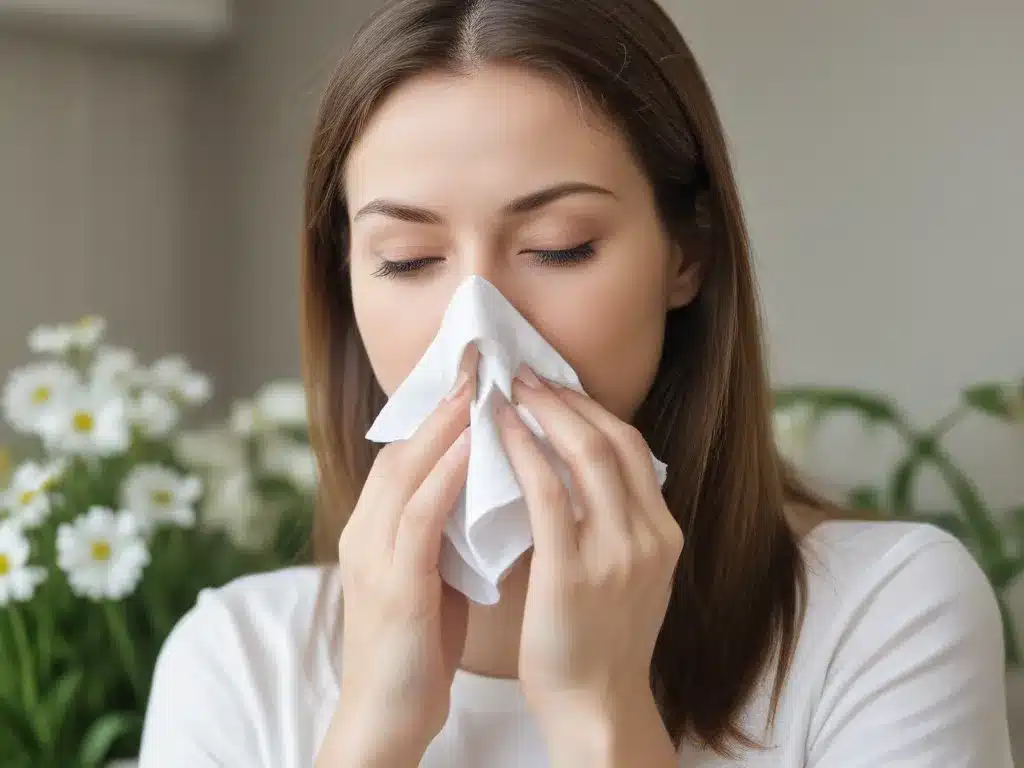
Understanding Allergies and Their Impact
As an allergy sufferer myself, I understand the struggles and challenges that come with navigating through the spring season. The constant sneezing, itchy eyes, and congestion can be a real burden, not only on our physical well-being but also on our daily lives. Allergies can significantly impact our productivity, social interactions, and overall quality of life. That’s why it’s essential to take proactive steps to manage these symptoms and create a healthier, more comfortable living environment.
In this comprehensive guide, I will delve into the various aspects of spring cleaning for allergy sufferers, providing you with practical tips and strategies to alleviate your symptoms and create a sanctuary in your home. We’ll explore the common triggers, effective cleaning methods, and smart home solutions that can help you breathe easier and enjoy the season. Let’s embark on this journey together and reclaim your wellness during the spring months.
Identifying Common Allergy Triggers
The first step in effectively managing allergies during the spring season is to understand the common triggers that can exacerbate your symptoms. These triggers can vary from individual to individual, but some of the most prevalent ones include pollen, dust mites, mold, and pet dander.
Pollen is one of the primary culprits during the spring months. As plants and trees begin to bloom, they release microscopic pollen grains into the air, which can easily find their way into our homes and irritate our respiratory system. Understanding the specific types of pollen that affect you can help you better anticipate and prepare for the seasons when they are most prevalent.
Dust mites are another common allergen that can thrive in our homes, particularly in carpets, bedding, and upholstered furniture. These tiny creatures feed on the dead skin cells we shed and can contribute to a range of allergy symptoms, including sneezing, itching, and nasal congestion.
Mold is another sneaky allergy trigger that can grow in damp or poorly ventilated areas of our homes. Bathrooms, basements, and even walls can become breeding grounds for mold, which can release spores into the air and cause respiratory distress for allergy sufferers.
Lastly, pet dander, which consists of tiny flakes of skin and hair shed by our furry companions, can also be a significant trigger for many individuals. Even if you don’t have pets in your home, the dander can be carried in on clothing, furniture, and other surfaces, making it an important factor to consider.
By identifying these common triggers, you can better understand the root causes of your allergy symptoms and focus your spring cleaning efforts on addressing them effectively.
Effective Cleaning Strategies for Allergy Relief
Now that we’ve identified the primary allergy triggers, let’s dive into the specific cleaning strategies that can help you achieve a healthier, more allergen-free living environment.
Tackling Pollen
One of the most effective ways to reduce pollen in your home is to keep windows and doors closed during peak pollen seasons. This helps to prevent the pollen from infiltrating your living spaces. Additionally, using high-efficiency particulate air (HEPA) filters in your HVAC system can help capture and remove pollen particles from the air you breathe.
When it comes to cleaning, focus on surfaces that are likely to collect pollen, such as windowsills, bookshelves, and ceiling fans. Wipe these down regularly with a damp cloth to prevent the pollen from being stirred up and redistributed throughout the room.
Addressing Dust Mites
Dust mites thrive in warm, humid environments, so maintaining a low-humidity environment in your home is crucial. Use a dehumidifier to keep the moisture levels below 50%, which can help hinder the growth and proliferation of these microscopic creatures.
Regularly washing your bedding, including sheets, pillows, and blankets, in hot water (at least 130°F/54°C) can effectively kill dust mites and remove their allergens. Consider using allergen-proof covers for your mattress and pillows to create a barrier against these pesky invaders.
Vacuum frequently, particularly in high-traffic areas and on carpets, where dust mites tend to accumulate. Be sure to use a vacuum with a HEPA filter to trap the smallest particles and prevent them from being released back into the air.
Combating Mold
Identify and address any areas in your home that are prone to moisture buildup, such as bathrooms, basements, and windowsills. Promptly clean and dry any surfaces that show signs of mold growth, and consider using a dehumidifier to maintain a healthy moisture level throughout your living spaces.
When cleaning mold, it’s essential to use proper personal protective equipment, such as gloves and a mask, to avoid inhaling the spores. Additionally, opt for cleaning products that are specifically formulated to target and eliminate mold, rather than using harsh chemicals that may exacerbate your allergy symptoms.
Minimizing Pet Dander
If you have pets in your home, regular grooming and bathing can help reduce the amount of dander they shed. Additionally, consider restricting your pets’ access to certain areas, such as the bedroom, to limit the spread of dander throughout your living spaces.
Vacuum frequently, focusing on areas where pet hair and dander tend to accumulate, such as upholstered furniture, carpets, and curtains. Use a vacuum with a HEPA filter to ensure that the smallest particles are captured and removed from the air.
Regular washing of pet bedding, as well as cleaning surfaces that your pets come into contact with, can also help to minimize the presence of pet dander in your home.
Incorporating Smart Home Solutions
In addition to traditional cleaning methods, there are several smart home solutions that can enhance your allergy-fighting efforts and provide a more comprehensive approach to creating a healthier living environment.
Air Purifiers
Investing in a high-quality air purifier with HEPA filtration can be a game-changer for allergy sufferers. These devices effectively remove a wide range of airborne allergens, including pollen, dust mites, and pet dander, from the air you breathe. Strategically placing air purifiers in key areas of your home, such as the bedroom and living room, can significantly improve indoor air quality and provide relief for your allergy symptoms.
Smart Thermostats
Integrating a smart thermostat into your home can help you better manage temperature and humidity levels, which are crucial factors in controlling allergens. These devices allow you to set and maintain optimal humidity levels, ensuring that dust mites and mold are less likely to thrive in your living spaces. Additionally, some smart thermostats can be programmed to automatically adjust the temperature and humidity based on real-time weather data, optimizing your home’s environment for allergy relief.
Allergen-Trapping Doormats
Placing allergen-trapping doormats at the entrances of your home can help prevent the introduction of pollen, dirt, and other outdoor allergens into your living spaces. These specialized mats are designed to effectively capture and hold onto these particles, preventing them from being tracked in on your shoes and clothing.
By incorporating these smart home solutions into your spring cleaning routine, you can create a more comprehensive and effective strategy for managing allergies and maintaining a healthier indoor environment.
Ongoing Maintenance and Seasonal Preparations
Achieving a clean and allergen-free living space is an ongoing process, and it’s essential to maintain your efforts throughout the year. As the seasons change, your cleaning and preparation needs will also evolve.
Year-Round Maintenance
Consistent and thorough cleaning is key to keeping allergens at bay. Establish a regular cleaning schedule, focusing on high-traffic areas and surfaces that are prone to collecting dust, pollen, and other irritants. This may include weekly vacuuming, dusting, and wiping down surfaces.
Regularly change the filters in your HVAC system, air purifiers, and other ventilation equipment to ensure optimal performance and air quality. Consider setting reminders or creating a maintenance calendar to stay on top of these tasks.
Seasonal Preparations
As the weather transitions from winter to spring, it’s important to take proactive steps to prepare your home for the allergy season. This may involve deep cleaning carpets, upholstery, and curtains to remove any accumulated allergens from the previous season.
Additionally, consider scheduling professional duct cleaning services to ensure that your HVAC system is not harboring any hidden pockets of dust, pollen, or mold. This can significantly improve the overall air quality in your home and provide relief for your allergy symptoms.
Staying vigilant and adapting your cleaning routine to the changing seasons can help you maintain a healthier, more comfortable living environment throughout the year.
Seeking Professional Assistance
While it’s possible to manage allergies through your own cleaning efforts, there may be times when seeking professional assistance can be beneficial. Consider contacting a reputable cleaning service, like AdamCleaning.uk, to help you tackle more extensive or specialized cleaning tasks.
Professional cleaners have the expertise, equipment, and cleaning products to address even the most stubborn allergen sources. They can also provide valuable insights and recommendations based on their experience in dealing with allergy-related issues.
For example, if you suspect that you have a mold problem in your home, a professional cleaning service can conduct a thorough inspection, identify the root cause, and implement the appropriate remediation strategies. This can be particularly important for individuals with severe allergies, as exposure to mold can have serious health consequences.
Additionally, professional cleaners can help you streamline your cleaning routine and provide guidance on maintaining a healthy indoor environment throughout the year. Their expertise can be invaluable in helping you achieve and sustain a clean, allergen-free home.
Conclusion
Navigating the spring allergy season can be a daunting task, but with the right strategies and tools, you can create a healthier, more comfortable living environment for yourself and your family. By understanding the common allergy triggers, implementing effective cleaning methods, and incorporating smart home solutions, you can take control of your allergy symptoms and reclaim your enjoyment of the spring season.
Remember, maintaining a clean and allergen-free home is an ongoing process, and it’s essential to stay vigilant and adapt your cleaning routine to the changing seasons. Don’t hesitate to seek professional assistance when needed, as the expertise of a reputable cleaning service can be invaluable in helping you achieve your allergy-fighting goals.
Embrace this spring season with confidence, and let your home become a sanctuary of relief and wellness. By taking these proactive steps, you can breathe easier, feel better, and truly thrive during the beautiful and vibrant spring months.