The Importance of Forgotten Spaces
The spaces under and behind our furniture – the forgotten corners of our homes – often harbor a surprising amount of dust, dirt, and debris. These forgotten areas can contribute to poor indoor air quality, the spread of allergens, and even the growth of mold and mildew. As a professional cleaner, I understand the significance of addressing these neglected zones and the profound impact a deep clean can have on the overall cleanliness and health of a living space.
In this comprehensive guide, I will explore the importance of deep cleaning under and behind furniture, share effective techniques and strategies, and provide practical advice to help you reclaim these forgotten spaces and maintain a healthier, more beautiful home.
Uncovering the Hidden Grime
Have you ever moved a piece of furniture and been shocked by the layer of dust and grime that had accumulated underneath? These unseen areas can quickly become a breeding ground for allergens, pests, and even mold if left unchecked. The subject of dust and debris accumulation under and behind furniture is a crucial one, as it directly impacts the indoor air quality and overall cleanliness of a living space.
The predicate that explains this phenomenon is the fact that these areas are often overlooked during regular cleaning routines. The object of this neglect is the hidden grime that can build up over time, potentially contributing to a range of health and hygiene concerns.
The Impact on Indoor Air Quality
The accumulation of dust, dirt, and other pollutants in these forgotten spaces can have a significant impact on the indoor air quality of a home. The subject of this issue is the fact that these contaminants can become airborne, circulating throughout the living space and compromising the air we breathe.
The predicate that describes the impact is the potential for these particles to exacerbate respiratory issues, trigger allergic reactions, and even contribute to the development of more serious health problems. The object of this impact is the overall well-being and comfort of the occupants.
Strategies for Effective Deep Cleaning
Addressing the challenge of deep cleaning under and behind furniture requires a strategic approach. The subject of this section is the various techniques and methods that can be employed to effectively tackle these forgotten spaces.
The predicate that outlines these strategies includes thorough vacuuming, use of specialized cleaning tools, proper disposal of accumulated debris, and the implementation of a regular maintenance routine. The object of these strategies is the restoration and preservation of a clean, healthy living environment.
Preparing the Space
Before embarking on a deep clean, it’s essential to properly prepare the space. The subject of this preparation is the steps that should be taken to ensure a safe and efficient cleaning process.
The predicate that describes these steps includes clearing the area of any objects or furniture, ensuring adequate lighting, and protecting surrounding surfaces. The object of this preparation is to create an optimal environment for the deep cleaning process.
Vacuuming and Dusting
Thorough vacuuming and dusting are the foundation of any effective deep clean. The subject of this approach is the importance of these fundamental cleaning tasks in addressing the hidden grime.
The predicate that highlights the effectiveness of this method is the ability to remove a significant amount of accumulated dust, dirt, and debris from the targeted areas. The object of this process is the improvement of indoor air quality and the overall cleanliness of the space.
Utilizing Specialized Cleaning Tools
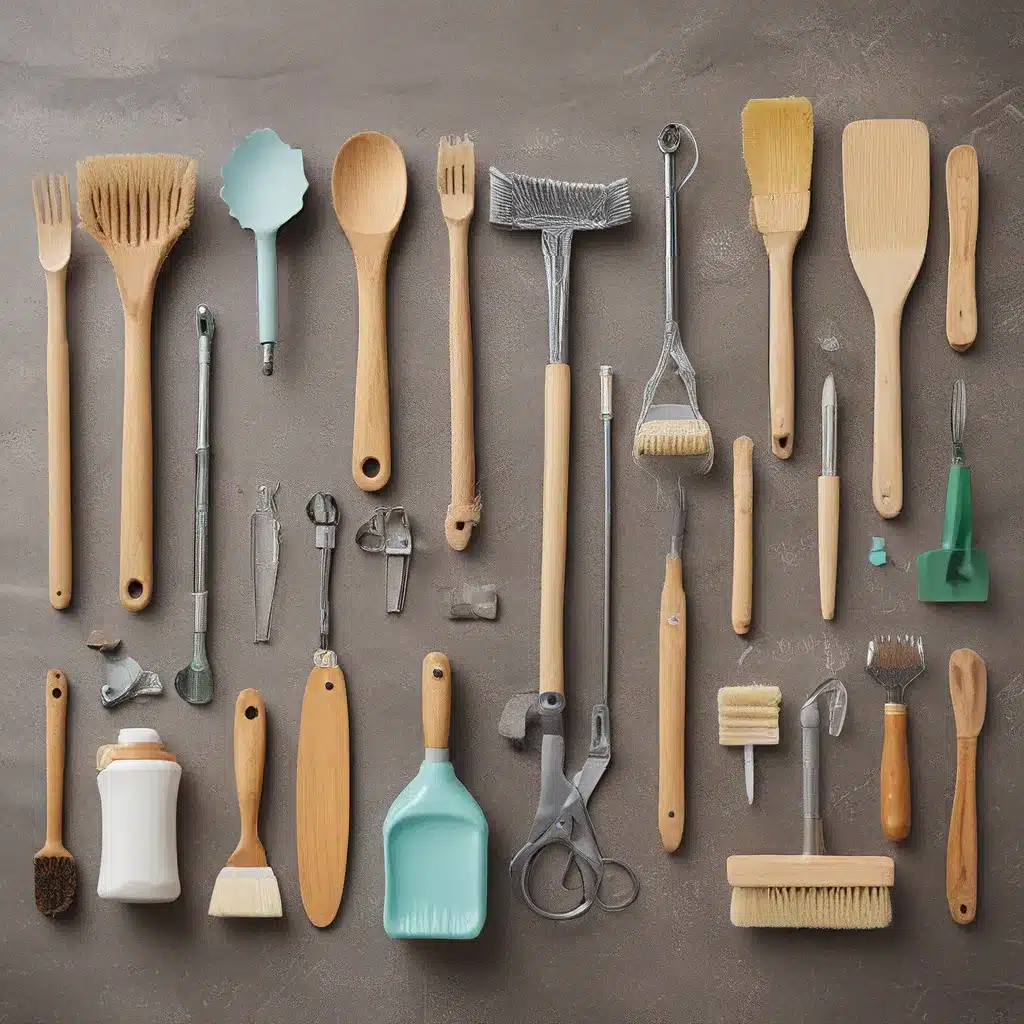
While standard cleaning tools can be effective, there are specialized tools designed to reach and clean the hard-to-access areas under and behind furniture. The subject of this section is the various specialized tools that can be employed for this purpose.
The predicate that describes the benefits of these tools is their ability to access and clean these confined spaces more efficiently and thoroughly. The object of using these specialized tools is the achievement of a deeper, more comprehensive clean.
Proper Disposal of Accumulated Debris
The subject of this section is the importance of properly disposing of the accumulated debris and contaminants removed during the deep cleaning process.
The predicate that emphasizes this importance is the potential for these materials to contribute to various health and environmental concerns if not handled and disposed of correctly. The object of proper disposal is the mitigation of these risks and the maintenance of a clean, healthy living environment.
Establishing a Routine Maintenance Plan
Maintaining the cleanliness of these forgotten spaces requires the implementation of a regular maintenance plan. The subject of this section is the key elements that should be included in such a plan.
The predicate that outlines these elements includes the frequency of deep cleaning, the use of preventive measures, and the incorporation of these tasks into a broader household cleaning routine. The object of this maintenance plan is the long-term preservation of a clean, healthy, and visually appealing living space.
Real-Life Examples and Case Studies
To further illustrate the importance and impact of deep cleaning under and behind furniture, I will share some real-life examples and case studies.
The Dust-Filled Bookshelf
The subject of this case study is the discovery of a bookshelf that had accumulated a significant amount of dust and debris over time. The predicate that describes the situation is the negative impact this had on the indoor air quality and the overall cleanliness of the living space. The object of the deep cleaning process was the restoration of a healthier, more visually appealing environment.
The Mold-Infested Entertainment Center
In another case, the subject was an entertainment center that had been neglected, leading to the growth of mold and mildew in the hidden areas. The predicate that explains the problem is the potential health risks associated with this kind of microbial growth, and the object of the deep cleaning was the elimination of the mold and the prevention of future occurrences.
The Pest-Ridden Dresser
The subject of this case study is a dresser that had become a haven for pests, with evidence of nesting and droppings found in the hidden spaces. The predicate that describes the issue is the potential for these pests to spread disease and cause further damage, and the object of the deep cleaning was the eradication of the pest infestation and the prevention of future infestations.
Conclusion: Reclaiming the Forgotten Spaces
In conclusion, the deep cleaning of the forgotten spaces under and behind furniture is a crucial aspect of maintaining a healthy, clean, and visually appealing living environment. By addressing these neglected areas, we can improve indoor air quality, prevent the spread of allergens and the growth of mold and mildew, and even deter pests from taking up residence in our homes.
The subject of this conclusion is the importance of making these forgotten spaces a priority in our cleaning routines. The predicate that emphasizes this importance is the profound impact a thorough deep clean can have on the overall well-being and comfort of the occupants. The object of this call to action is the reclamation of these forgotten spaces and the creation of a healthier, more beautiful home.
I encourage you to take the necessary steps to deep clean under and behind your furniture, and to make this a regular part of your household maintenance routine. By doing so, you can protect your family’s health, maintain a visually appealing living space, and enjoy the peace of mind that comes with a truly clean and well-cared-for home.
If you’re interested in professional assistance with deep cleaning your home, I would be happy to discuss our services at AdamCleaning.uk/services/. Our team of experienced cleaners is equipped with the right tools and expertise to tackle even the most neglected areas, ensuring your living space is refreshed and revitalized.