The Importance of Slipcovers
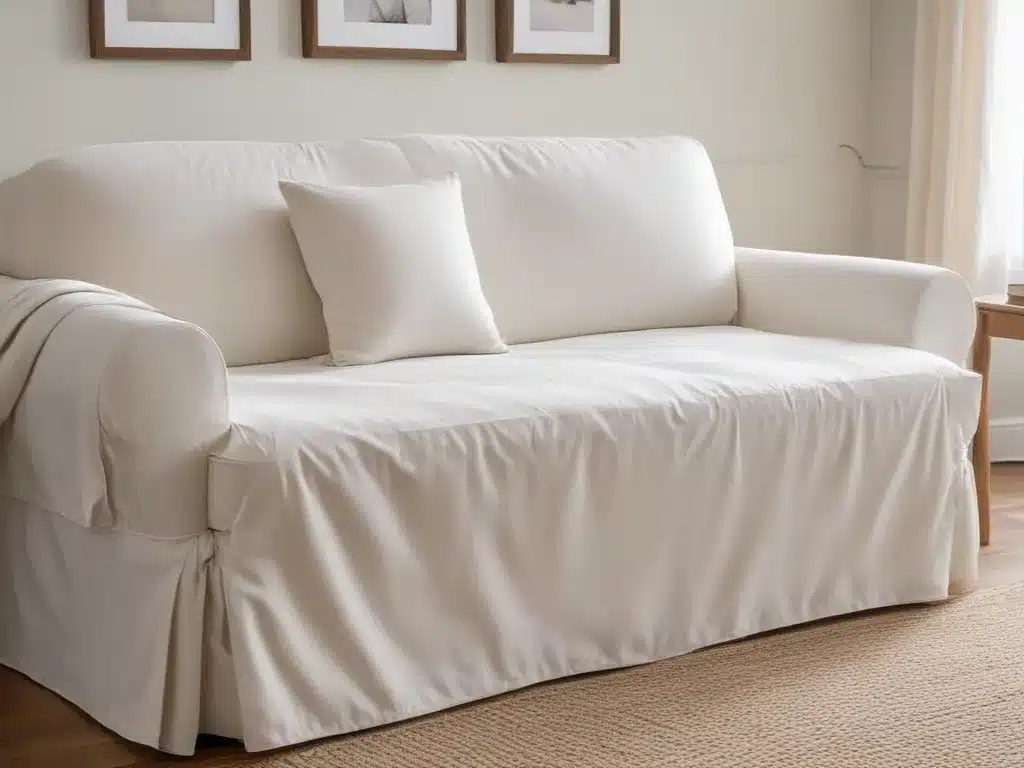
As a homeowner, I understand the constant struggle to keep my furniture looking its best. Slipcovers have been a game-changer for me, allowing me to protect my upholstery and extend the life of my beloved pieces. In this comprehensive guide, I’ll share my expertise on the art of washing slipcovers and provide invaluable tips to help you maintain the pristine condition of your furniture.
Slipcovers are not just a practical solution; they can also be a stylish way to transform the look of your living space. By regularly cleaning and caring for your slipcovers, you can ensure that your furniture remains vibrant, comfortable, and relevant to your ever-evolving decor. In this article, I’ll dive deep into the best practices for washing slipcovers, addressing common challenges and offering practical solutions to keep your home looking its absolute best.
Understanding Slipcover Fabrics and Materials
The first step in properly caring for your slipcovers is to understand the different fabrics and materials they are made of. The composition of the slipcover can greatly impact the washing and drying process. Cotton, linen, and polyester are among the most common materials used in slipcovers, each with its own unique characteristics and care requirements.
Cotton slipcovers, for instance, are known for their breathability and natural softness, but they may be more prone to shrinkage and wrinkling if not washed and dried correctly. Linen slipcovers, on the other hand, have a crisp, elegant look but can be more delicate and require special handling. Polyester slipcovers are generally more durable and resistant to fading, making them a popular choice for high-traffic areas.
By familiarizing myself with the specific properties of the fabric used in my slipcovers, I can tailor my cleaning and maintenance routine to ensure the best possible outcome. This knowledge allows me to make informed decisions about the appropriate washing methods, detergents, and drying techniques to use, ultimately preserving the longevity and appearance of my furniture covers.
Preparing Slipcovers for Washing
Before tossing my slipcovers in the washing machine, I take the time to properly prepare them. Giving my slipcovers a thorough inspection helps me identify any stains, tears, or loose threads that need attention before the washing process.
I begin by carefully removing the slipcover from the furniture, taking note of any specific instructions or tags that may indicate the recommended washing methods. It’s important to follow these guidelines closely to avoid any potential damage to the fabric or the slipcover’s fit.
Next, I meticulously check each slipcover for any loose items, such as coins, keys, or small toys, that may have been left behind. Leaving these items in the slipcover can not only damage the fabric but also potentially harm my washing machine.
Once the slipcover is free of any obstructions, I gently shake it out to release any excess dirt or debris before placing it in the washing machine. This simple step helps ensure a more thorough and effective cleaning process.
Choosing the Appropriate Washing Cycle
The washing cycle I choose for my slipcovers is crucial in maintaining their quality and appearance. Different fabric types and soil levels require specific wash settings to achieve the best results.
For delicate fabrics, such as linen or silk, I select a gentle cycle with cool water to prevent shrinkage and preserve the fabric’s integrity. On the other hand, for more durable materials like cotton or polyester, I can use a regular wash cycle with warm water to effectively remove stubborn stains and odors.
If my slipcovers are heavily soiled, I may pretreat any problem areas with a mild, color-safe detergent before washing. This extra step helps ensure that all dirt and grime are thoroughly removed, leaving my slipcovers looking and feeling fresh.
I also pay close attention to the spin cycle, as excessive spinning can lead to wrinkling or even damage to the fabric. For best results, I opt for a lower spin speed, especially for delicate materials.
Selecting the Right Detergent and Fabric Softener
Choosing the appropriate detergent and fabric softener is essential for maintaining the quality and longevity of my slipcovers. I carefully consider the manufacturer’s recommendations, the fabric type, and any special cleaning needs, such as removing stubborn stains or odors.
For slipcovers made of natural fibers like cotton or linen, I prefer to use a gentle, plant-based detergent that is free of harsh chemicals and fragrances. These gentle formulas help preserve the fabric’s texture and prevent fading or discoloration.
If my slipcovers are prone to static cling or need a softer feel, I may incorporate a fabric softener into the wash cycle. However, I always ensure that the softener is compatible with the slipcover fabric and does not leave behind any residue that could attract dirt or lint.
In some cases, I may also use a natural fabric softener, such as white vinegar or baking soda, to achieve a softer, more refreshed result without any harsh chemical additives.
Drying Slipcovers: The Key to Preserving Their Fit and Appearance
Proper drying techniques are crucial for maintaining the fit and appearance of my slipcovers. I carefully follow the manufacturer’s instructions, as different fabric types may require specific drying methods to prevent shrinkage, fading, or distortion.
For delicate fabrics like linen or silk, I opt for air-drying, either by hanging the slipcover or laying it flat in a well-ventilated area. This gentle drying process helps preserve the fabric’s integrity and prevents any unwanted stretching or misshaping.
For more durable materials, such as cotton or polyester, I may use the clothes dryer, but I always select a low-heat setting to avoid excessive shrinkage or heat damage. I also make sure to remove the slipcover from the dryer as soon as the cycle is complete to minimize wrinkling.
In some cases, I may need to lightly iron my slipcovers after drying to restore their crisp, polished appearance. However, I always use a low heat setting and take care to avoid applying too much pressure, which could lead to shiny spots or damage to the fabric.
Spot Cleaning and Maintaining Slipcovers Between Washes
Between full washing cycles, I often need to spot clean my slipcovers to address any spills, stains, or minor dirt accumulation. Prompt attention to these issues helps prevent them from setting in and becoming more challenging to remove.
For spot cleaning, I use a mild, color-safe detergent or a specialized slipcover cleaner, gently blotting the affected area to lift the stain. I avoid rubbing the fabric, as this can potentially spread the stain or damage the fibers.
If the stain persists, I may need to pretreat the area with a small amount of hydrogen peroxide or white vinegar before washing. These natural, gentle solutions can help break down the stain without harming the slipcover fabric.
In addition to spot cleaning, I regularly vacuum or brush my slipcovers to remove any surface dirt or pet hair. This simple maintenance routine helps keep my furniture covers looking their best between full washing cycles.
Storing Slipcovers Properly
Proper storage is essential for maintaining the shape, cleanliness, and longevity of my slipcovers. When not in use, I carefully fold or hang the slipcovers, ensuring that they are completely dry and free of any wrinkles or creases.
For off-season storage, I may choose to place my slipcovers in breathable garment bags or acid-free boxes to protect them from dust, pests, and any environmental factors that could cause discoloration or damage. I also make sure to store them in a cool, dry place, away from direct sunlight or heat sources.
Before re-installing my slipcovers on the furniture, I thoroughly inspect them for any issues and give them a quick refresh, such as a gentle steaming or light ironing, to ensure a seamless and pristine fit.
Keeping Furniture Protected and Looking Its Best
Maintaining the appearance and longevity of my furniture is a top priority, and slipcovers play a crucial role in this ongoing task. By following the comprehensive guidelines outlined in this article, I am able to keep my slipcovers in excellent condition, ensuring that my beloved pieces of furniture remain vibrant, comfortable, and well-protected.
Remember, investing the time and effort in properly caring for your slipcovers is a worthwhile investment that can pay dividends in the long run. Not only will your furniture look its absolute best, but you’ll also extend its lifespan, saving you from the costly and inconvenient task of replacing damaged or worn-out pieces.
If you’re ever in need of professional cleaning services for your slipcovers or other upholstered furniture, I highly recommend checking out AdamCleaning.uk/services/. Their team of experts are dedicated to providing exceptional results and ensuring that your home remains a beautiful, comfortable oasis.