
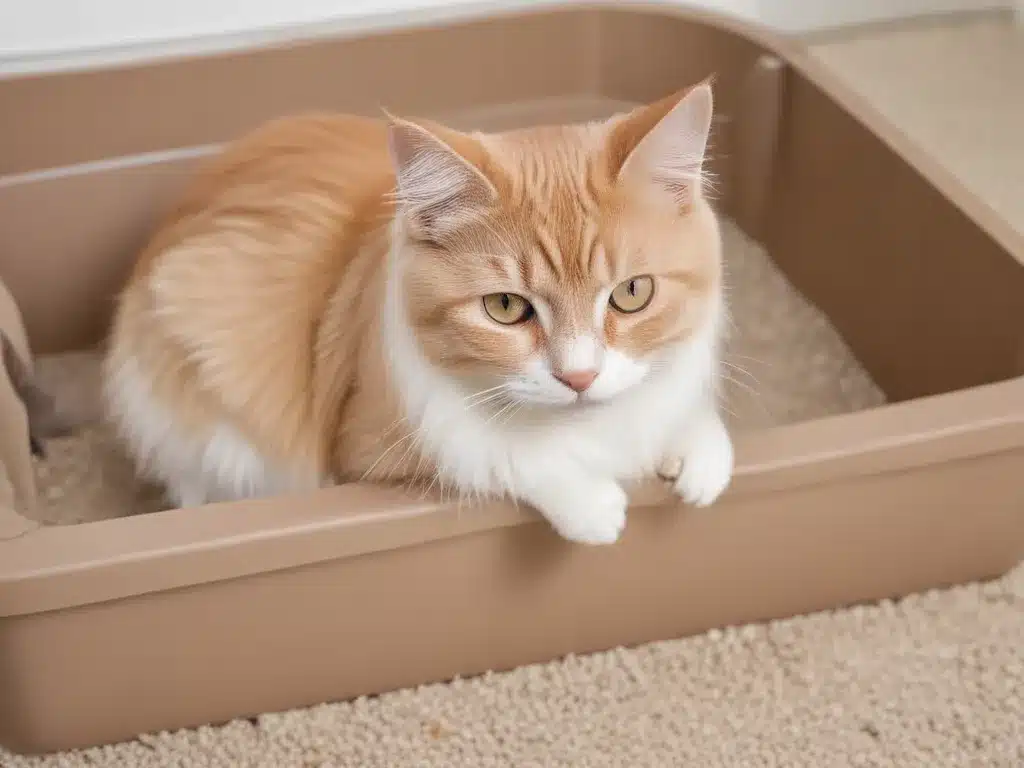
The Importance of Maintaining a Clean Litter Box
As the proud owner of a furry feline companion, I understand the importance of maintaining a clean litter box area. The litter box is not only a critical component of your cat’s hygiene, but it also plays a crucial role in preserving the cleanliness and odor control of your home. In this comprehensive guide, I will share my pro tips for effectively cleaning and maintaining the litter box area, ensuring a fresh and healthy environment for both you and your beloved pet.
Maintaining a clean litter box is essential for your cat’s overall well-being. Cats are naturally inclined to keep themselves and their living space clean, and a dirty litter box can lead to a range of health issues, such as urinary tract infections, skin irritations, and even behavioral problems. By implementing a consistent cleaning routine and utilizing the right products and techniques, you can create a comfortable and hygienic environment for your cat, while also preventing the spread of odors and potential health hazards.
In the following sections, I will delve into the step-by-step process of cleaning the litter box, discuss the importance of choosing the right litter, and provide valuable insights on how to address common litter box-related challenges. Additionally, I will share some practical tips for minimizing the time and effort required to keep your cat’s litter box area in top condition.
Establishing a Cleaning Routine
The frequency and thoroughness of your litter box cleaning routine can have a significant impact on the overall cleanliness and odor control of the area. Cats are naturally fastidious creatures, and they prefer a clean and well-maintained litter box. By establishing a consistent cleaning routine, you can ensure that your cat’s litter box is always in optimal condition, promoting their comfort and your own peace of mind.
One of the key factors to consider when establishing a cleaning routine is the number of cats in your household. As a general rule, the more cats you have, the more frequently you should clean the litter box. I recommend cleaning the litter box at least once a day, if not more, to prevent the buildup of waste and the development of unpleasant odors.
When it comes to the cleaning process, I suggest a thorough approach that includes scooping out clumps of urine and feces, replacing the litter completely, and disinfecting the litter box itself. This ensures that the surface is free from any lingering odors or residues, creating a fresh and inviting environment for your cat.
It’s also important to consider the type of litter you are using and how it affects the cleaning process. Some litters are more absorbent and easier to maintain, while others may require more frequent changes or specialized cleaning methods. I will delve deeper into the topic of litter selection in the next section.
Choosing the Right Litter
The type of litter you choose for your cat’s litter box can have a significant impact on the overall cleanliness and odor control of the area. There are various types of litter available on the market, each with its own set of benefits and drawbacks. As a seasoned cat owner, I have had the opportunity to experiment with different litter options and have developed a deep understanding of their respective characteristics.
One of the primary factors to consider when selecting litter is its absorbency and odor control properties. Clumping litters, for example, are highly effective at trapping urine and containing odors, making them a popular choice among cat owners. These litters form solid clumps when wet, allowing you to easily scoop out the soiled areas and maintain a clean litter box.
Another important factor to consider is the texture and consistency of the litter. Some cats prefer a softer, more natural-feeling litter, while others may be more comfortable with a coarser texture. It’s essential to pay attention to your cat’s preferences and choose a litter that they feel comfortable using, as this can impact their willingness to use the litter box and their overall litter box habits.
In addition to absorbency and texture, I also recommend considering the environmental impact and potential health implications of the litter you choose. There are eco-friendly litter options, such as those made from recycled materials or natural plant-based sources, that can be a more sustainable choice. Additionally, some litters may contain chemicals or fragrances that could be harmful to your cat’s health, so it’s crucial to read the product labels and do your research before making a purchase.
By carefully selecting the right litter for your cat’s needs and preferences, you can ensure a cleaner, more odor-controlled litter box area, ultimately making the cleaning process more manageable and enjoyable for both you and your feline friend.
Effective Litter Box Cleaning Techniques
Cleaning the litter box is a crucial aspect of maintaining a healthy and comfortable environment for your cat. However, it can often be a daunting task, especially if you’re dealing with stubborn stains or persistent odors. In this section, I will share my pro tips for effectively cleaning the litter box, ensuring that it remains fresh and inviting for your furry companion.
One of the most important steps in the cleaning process is regular scooping. I recommend scooping the litter box at least once a day, if not more, to remove any clumps of urine or feces. This not only helps to minimize odors but also prevents the buildup of waste, which can lead to health issues for your cat. When scooping, be sure to use a high-quality litter scoop that can effectively remove the soiled litter without causing it to scatter.
In addition to regular scooping, it’s essential to perform a thorough deep cleaning of the litter box on a regular basis, typically every one to two weeks, depending on the number of cats in your household. This involves completely emptying the litter box, giving it a thorough scrub with a mild, pet-safe cleanser, and allowing it to dry completely before refilling it with fresh litter.
When it comes to the cleaning products you use, it’s crucial to opt for ones that are specifically designed for use around cats. Many household cleaners contain harsh chemicals that can be harmful to your feline friend if ingested or inhaled. Look for pet-safe cleaners that are free from bleach, ammonia, and other potentially toxic ingredients.
Another important aspect of effective litter box cleaning is the proper disposal of used litter. It’s essential to dispose of the litter in a sealed bag or container to prevent the spread of odors and potential health hazards. Additionally, I recommend taking the time to clean the area around the litter box, as this can also contribute to the overall cleanliness and odor control of the space.
By implementing these pro tips and techniques, you can ensure that your cat’s litter box area remains clean, fresh, and inviting, promoting your cat’s overall health and well-being, as well as maintaining a pleasant living environment for your household.
Addressing Common Litter Box Challenges
As a seasoned cat owner, I understand that the litter box can often present various challenges, from persistent odors to litter tracking. In this section, I will address some of the most common litter box-related issues and provide you with effective solutions to help you overcome them.
One of the most common challenges faced by cat owners is the persistent odor that can emanate from the litter box. This can be particularly problematic, as it can not only be unpleasant for you and your guests but can also be a sign of potential health issues for your cat. To combat this, I recommend regularly replacing the litter, using an odor-control litter, and considering the placement of the litter box to ensure proper ventilation.
Another common issue is the dreaded litter tracking, where your cat’s paws carry litter particles out of the box and onto your floors. This can be a frustrating situation, as it can lead to a mess throughout your home. To minimize litter tracking, I suggest using a larger litter box with high walls, placing a litter mat or tray at the entrance of the box, and regularly vacuuming the surrounding area to remove any stray litter.
Some cats may also exhibit litter box avoidance, where they refuse to use the litter box altogether. This can be caused by a variety of factors, such as a dislike for the litter type, an unclean litter box, or even a medical condition. If you encounter this challenge, I recommend consulting with your veterinarian to rule out any underlying health issues and experimenting with different litter types and box placements to find the optimal solution for your cat.
In the event of a litter box accident, it’s essential to act quickly to clean and disinfect the area. This not only helps to eliminate any lingering odors but also prevents the spread of potential health hazards. I suggest using a pet-safe, enzymatic cleaner to thoroughly clean the affected area and neutralize any residual odors.
By addressing these common litter box challenges head-on, you can maintain a clean, odor-free environment for both you and your feline companion. Remember, addressing these issues proactively can help to prevent larger problems down the line and ensure the overall well-being of your cat.
Maximizing Efficiency: Time-Saving Tips
As a busy cat owner, I understand the importance of finding ways to streamline the litter box cleaning process. In this section, I will share some of my top time-saving tips to help you maximize the efficiency of your litter box maintenance routine.
One of the most effective ways to save time is to invest in a self-cleaning litter box. These innovative products use a motorized system to automatically scoop and remove clumped litter, significantly reducing the amount of manual labor required. While these types of litter boxes may have a higher upfront cost, they can ultimately save you a significant amount of time and effort in the long run.
Another time-saving tip is to strategically place your litter boxes throughout your home. By having multiple litter boxes in easily accessible locations, you can minimize the amount of time and effort required to maintain them. This is particularly beneficial if you have multiple cats, as it can help to distribute the usage and reduce the frequency of cleaning required.
When it comes to the actual cleaning process, I recommend investing in high-quality litter scoops and liners that can make the task more efficient. Look for scoops with ergonomic designs and sturdy construction, as this can make the scooping process quicker and more comfortable. Additionally, using litter box liners can help to speed up the cleaning process by allowing you to simply lift out the soiled litter and replace it with a fresh liner.
In addition to these practical tips, I also suggest incorporating time-saving habits into your cleaning routine. For example, you could set a recurring calendar reminder to scoop the litter box at a specific time each day, or establish a weekly deep cleaning routine that becomes a natural part of your household chores.
By implementing these time-saving strategies, you can streamline the litter box cleaning process and free up more time to enjoy with your feline companion. Remember, a clean and well-maintained litter box not only benefits your cat’s health but also contributes to a more pleasant living environment for the entire household.
Conclusion
In conclusion, maintaining a clean and odor-free litter box area is essential for the health and well-being of your feline friend, as well as the overall cleanliness of your home. By following the pro tips and techniques I’ve outlined in this comprehensive guide, you can establish an effective and efficient litter box cleaning routine that ensures your cat’s comfort and your own peace of mind.
Remember, the key to success lies in consistently implementing a cleaning regimen, choosing the right litter, and addressing any litter box-related challenges that may arise. By investing the time and effort into properly maintaining your cat’s litter box, you’ll not only create a healthier environment for your furry companion but also enjoy a more pleasant living space for yourself and your family.
If you’re in need of professional cleaning services for your home or business, I encourage you to visit AdamCleaning.uk/services/ to explore the wide range of options available. Their team of experienced and dedicated cleaners can provide the expert assistance you need to keep your space sparkling clean and odor-free.
Thank you for taking the time to read this guide. I hope that the insights and strategies I’ve shared have empowered you to become a pro at maintaining a clean and well-managed litter box area. Happy cleaning, and enjoy a fresher, healthier home for both you and your beloved feline companion.