Understanding Shed Fur
As a pet owner, I know firsthand the struggle of dealing with shed fur. The amount of hair that can accumulate on furniture, clothing, and even in the vacuum cleaner can be overwhelming. However, I’ve learned that with the right approach, I can effectively clean up shed fur without clogging my vacuum.
One of the key factors in understanding shed fur is recognizing that it’s a natural process for many animals, including our beloved pets. Pets shed their fur to make way for new, healthy hair growth. The shedding process can vary depending on the breed, season, and individual pet. Some pets may shed more heavily during certain times of the year, while others may have a more consistent shedding pattern.
Understanding the underlying reasons for shed fur can help me approach the cleaning process with more empathy and patience. It’s not just about removing the hair, but also about maintaining a healthy environment for my pet.
Preparing for Effective Fur Cleanup
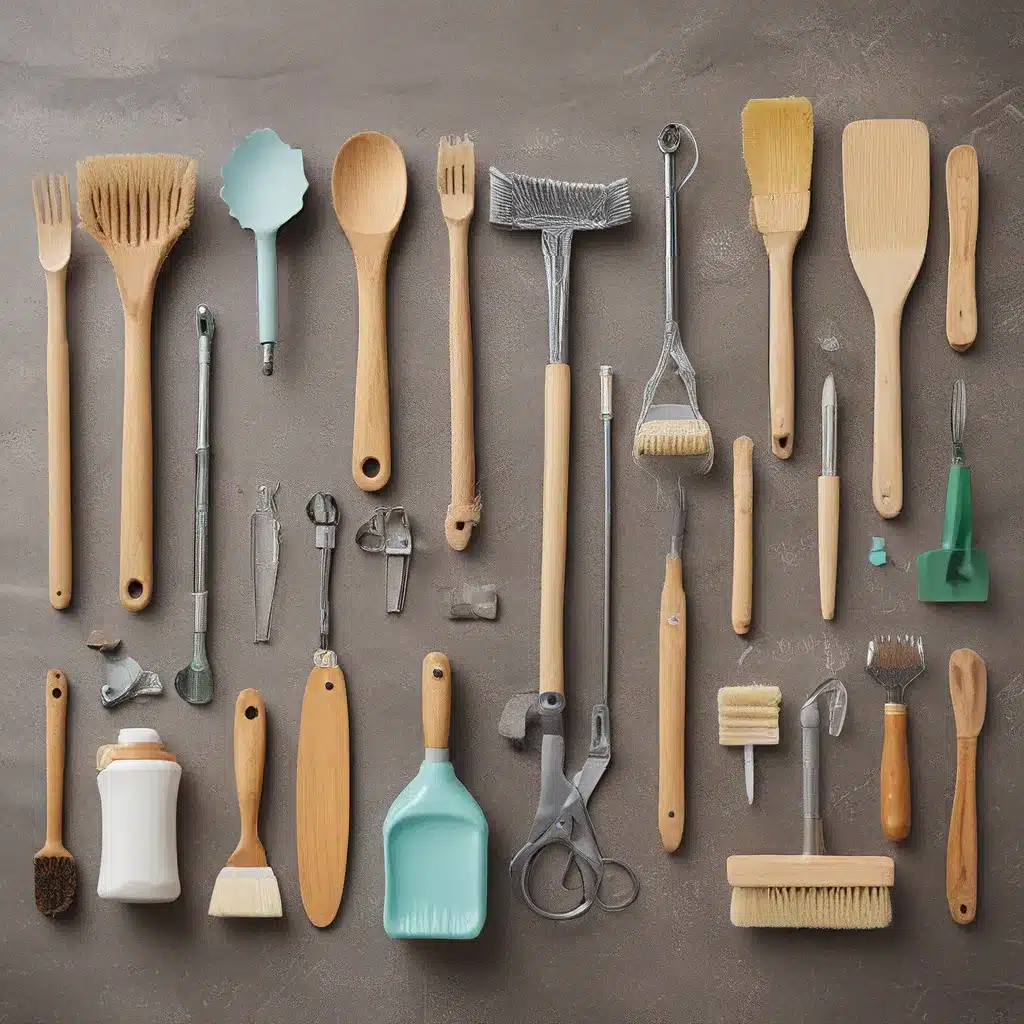
Before I can effectively clean up shed fur, I need to ensure that I have the right tools and supplies. This includes a high-quality vacuum cleaner that is designed to handle pet hair, as well as other specialized cleaning tools like lint rollers, grooming brushes, and pet-safe cleaning solutions.
When choosing a vacuum cleaner, I need to consider features like strong suction power, HEPA filtration, and specialized pet hair attachments. These features can help prevent the vacuum from clogging and ensure that I can effectively remove even the most stubborn pet hair.
In addition to the right vacuum cleaner, I also need to create a cleaning routine that works for my specific pet and living environment. This may involve regularly grooming my pet, vacuuming high-traffic areas, and using lint rollers to quickly remove hair from furniture and clothing.
By taking the time to prepare and develop an effective cleaning routine, I can ensure that I’m able to keep my home clean and comfortable, even in the face of shedding season.
Vacuuming Techniques for Shed Fur
One of the most important steps in cleaning up shed fur is using the right vacuuming techniques. Improper vacuuming can lead to clogged filters, reduced suction power, and an overall less effective cleaning process.
When vacuuming, I need to pay close attention to the type of floor or surface I’m cleaning. Carpets and rugs may require a different approach than hardwood floors or upholstery. I also need to be mindful of the direction of the pet hair, as it can sometimes be more effective to vacuum against the grain.
Another important technique is to use the right attachments and accessories. Many vacuum cleaners come with specialized pet hair tools, such as crevice tools, upholstery brushes, and pet hair rollers. These accessories can help me reach those hard-to-clean areas and ensure that I’m removing as much pet hair as possible.
It’s also crucial to regularly clean and maintain my vacuum cleaner. This includes emptying the dustbin, cleaning the filters, and checking for any clogs or blockages. By keeping my vacuum in top condition, I can ensure that it continues to perform at its best and effectively removes shed fur.
Grooming and Brushing Techniques
In addition to vacuuming, grooming and brushing my pet can also play a significant role in managing shed fur. Regular grooming can help reduce the amount of loose hair that ends up on my furniture, clothing, and floors.
When grooming my pet, I need to use the right tools and techniques. This may include specialized brushes, combs, or deshedding tools that are designed to effectively remove loose hair without causing discomfort to my pet.
I also need to be mindful of the frequency and duration of my grooming sessions. Overdoing it can actually lead to more shedding, as it can stress the animal and disrupt the natural shedding process. Instead, I should aim for regular, gentle grooming sessions that are tailored to my pet’s specific needs.
By incorporating grooming and brushing into my cleaning routine, I can help reduce the overall amount of shed fur in my home, making the vacuuming process more effective and efficient.
Cleaning Surfaces and Fabrics
Dealing with shed fur doesn’t just involve vacuuming; I also need to address the hair that accumulates on various surfaces and fabrics throughout my home. This can include furniture, clothing, bedding, and even car interiors.
For hard surfaces, such as tables, countertops, and shelves, I can use a combination of lint rollers, damp cloths, and specialized pet hair removal tools to quickly and effectively remove any loose hair. It’s important to be gentle and avoid rubbing the hair further into the surface, as this can make it more difficult to remove.
For fabrics, such as upholstery, curtains, and clothing, I may need to use a combination of vacuuming, lint rollers, and even specialized fabric brushes or rollers. These tools can help lift and remove the hair without causing any damage to the fabric.
In some cases, I may also need to consider using pet-safe cleaning solutions or spot treatments to help remove any stubborn pet hair or stains. It’s important to always test these solutions on a small, inconspicuous area first to ensure they don’t cause any discoloration or damage.
By taking a comprehensive approach to cleaning surfaces and fabrics, I can help keep my home looking and feeling clean, even in the face of shedding season.
Preventing Future Shedding
While dealing with shed fur is an ongoing challenge, there are several steps I can take to help prevent future shedding and minimize the impact on my home.
One of the most important things I can do is to maintain a healthy grooming routine for my pet. This may involve regular brushing, bathing, and the use of deshedding tools to remove loose hair before it can end up on my furniture and floors.
I can also consider making adjustments to my pet’s diet and environment to help reduce shedding. This may include providing a high-quality, balanced diet that supports healthy skin and coat, as well as ensuring that my pet’s living space is clean, comfortable, and free of any potential irritants.
Additionally, I can explore the use of specialized pet hair removal products, such as lint rollers, pet hair removers, and even robotic vacuums, to help stay on top of the shedding process. These tools can make the cleaning process more efficient and less time-consuming, allowing me to maintain a clean and comfortable home.
By taking a proactive and comprehensive approach to managing shed fur, I can not only keep my home clean and tidy, but also ensure that my pet remains healthy and happy.
Seeking Professional Assistance
If I find that I’m struggling to keep up with the shedding in my home, I may consider seeking professional assistance. This could involve hiring a cleaning service that specializes in pet-related cleaning, or even consulting with a veterinarian or groomer for additional guidance and support.
A professional cleaning service can bring a wealth of experience and specialized equipment to the table, helping me to more effectively and efficiently remove pet hair from my home. They may also be able to provide recommendations on the best cleaning products and techniques to use, as well as offer tips for maintaining a clean and healthy environment for my pet.
Consulting with a veterinarian or groomer can also be a valuable resource. They can provide insight into the specific shedding patterns and needs of my pet, as well as suggest ways to improve their overall health and well-being, which can in turn help to reduce the amount of shed fur.
By seeking professional assistance, I can not only improve the cleanliness of my home, but also gain a better understanding of how to effectively manage shed fur in the long term.
Conclusion
Dealing with shed fur can be a constant challenge for pet owners, but with the right approach and tools, it’s a challenge that can be overcome. By understanding the underlying causes of shedding, preparing my home and myself for effective cleaning, and incorporating grooming and professional assistance into my routine, I can keep my home clean and comfortable, even in the face of shedding season.
Remember, the key to managing shed fur is to be proactive, patient, and persistent. With the right strategies and tools, I can maintain a clean and healthy environment for both myself and my furry companion.
If you’re struggling with shed fur in your home, I encourage you to visit https://adamcleaning.uk/services/ to learn more about the professional cleaning services available to help you tackle this challenge.