
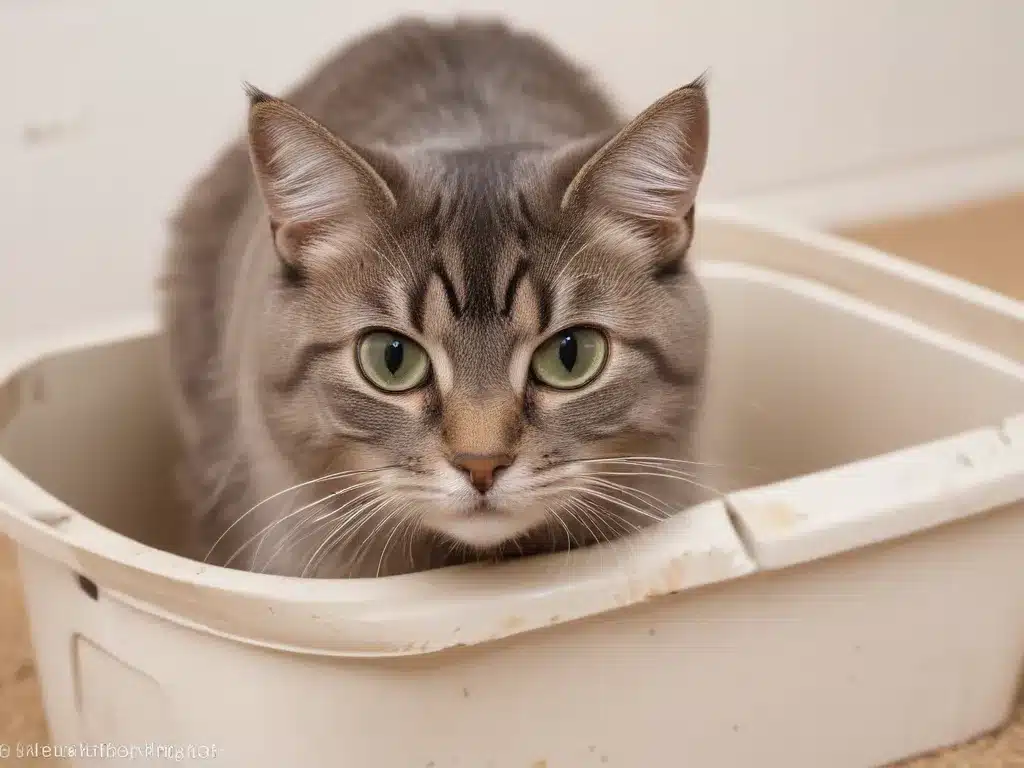
Understanding the Importance of Clean Litter Boxes
As a responsible pet owner, I understand the importance of maintaining a clean litter box for my feline companions. A clean litter box not only creates a more pleasant living environment for my cats, but it also helps to prevent the spread of diseases and odors. However, the process of cleaning a litter box can often be a daunting task, with the potential to create even more mess and disarray. In this comprehensive guide, I will explore the various strategies and techniques that I have discovered to clean litter boxes effectively without making a bigger mess.
Recognizing the Challenges of Litter Box Cleaning
I know that many pet owners struggle with the challenges of litter box cleaning. The task can be time-consuming, messy, and often unpleasant. One of the primary obstacles that I have faced is the tendency for litter to scatter and spill out of the box, creating a trail of debris throughout the surrounding area. Additionally, the strong odors associated with cat waste can be difficult to manage, leading to a lingering unpleasant smell in the home.
Developing a Systematic Approach to Litter Box Maintenance
To overcome these challenges, I have developed a systematic approach to litter box maintenance that prioritizes efficiency and minimizes the potential for creating additional messes. This approach involves a combination of carefully selected litter, strategic cleaning techniques, and the utilization of specialized tools and accessories.
Selecting the Right Litter for Easy Cleaning
One of the most crucial factors in maintaining a clean litter box is the type of litter I choose to use. Not all litters are created equal, and some are better suited for easy cleaning than others. I have experimented with a variety of litter types, including clumping, non-clumping, and biodegradable options, to determine the most effective solution for my needs.
Evaluating Clumping Litter
Clumping litter is a popular choice among many pet owners due to its ability to form solid clumps around urine and feces. This feature makes it easier to scoop out the soiled areas, leaving the rest of the litter box relatively clean. However, I have found that some clumping litters can be prone to sticking to the sides of the box, requiring additional effort to remove.
Exploring Non-Clumping Litter Alternatives
For those who prefer a more straightforward cleaning process, non-clumping litters can be a viable option. These litters often have a looser, granular texture that can be easily scooped or swept out of the box. While they may require more frequent litter changes, non-clumping litters can help to minimize the amount of scattered litter and the subsequent mess.
Considering Biodegradable Litter Options
In my quest for eco-friendly and mess-free litter box cleaning, I have also explored biodegradable litter options. These litters, made from materials like wood, paper, or corn, can be more environmentally friendly and often have the added benefit of reduced odor. However, I have found that some biodegradable litters may not be as effective at controlling odors or clumping as traditional litters.
Implementing Efficient Cleaning Techniques
Regardless of the litter type I choose, I have found that the cleaning techniques I employ play a crucial role in maintaining a clean litter box without creating additional messes. By adopting a systematic approach and utilizing specialized tools, I have been able to streamline the cleaning process and minimize the amount of scattered litter and waste.
Mastering the Art of Scooping
Scooping is the foundation of effective litter box cleaning, and I have perfected my technique over time. I use a sturdy, high-quality litter scoop with deep, rounded edges to efficiently remove clumps and solid waste from the box. I make sure to scoop regularly, at least once a day, to prevent the buildup of waste and odors.
Utilizing Litter Box Liners
Litter box liners can be a valuable tool in my quest for a mess-free cleaning experience. These liners, which are placed inside the litter box, can help to catch any loose litter or spills, making it easier to remove the entire contents of the box during a full litter change. I have found that using high-quality, durable liners can significantly reduce the amount of time and effort required for cleaning.
Employing Specialized Cleaning Tools
In addition to my trusty litter scoop, I have discovered a variety of specialized tools that can streamline the cleaning process and minimize the potential for creating more messes. For example, I use a litter box vacuum or brush to gently sweep up any scattered litter around the box, ensuring that I don’t inadvertently push the litter further into the surrounding area.
Mastering the Full Litter Change
While regular scooping is essential, I also understand the importance of performing a full litter change on a regular basis. This involves completely removing the old litter and replacing it with fresh, clean litter. I have developed a technique for this process that minimizes the amount of litter that escapes the box, including carefully pouring the new litter into the box and gently smoothing it out to create an even surface.
Addressing Common Litter Box Challenges
Even with the best cleaning techniques and litter selection, I have encountered various challenges that can arise when caring for a litter box. By being proactive and addressing these issues, I can maintain a clean and odor-free environment for my feline friends.
Preventing Litter Scatter and Tracking
One of the most common issues I have faced is the problem of litter scatter and tracking, where litter particles make their way out of the litter box and onto the surrounding floor. To combat this, I have experimented with different litter box designs, including those with high sides or built-in litter mats, to help contain the litter and reduce the amount of scattered debris.
Managing Odors and Maintaining Freshness
Controlling odors is another significant challenge in litter box maintenance. I have tried various odor-control strategies, such as using litter additives, regularly changing the litter, and ensuring proper ventilation in the litter box area. Additionally, I have found that incorporating a litter box deodorizer or air purifier can be an effective way to keep the surrounding environment fresh and pleasant.
Addressing Litter Box Aversion Behaviors
In some cases, cats may develop an aversion to using a litter box, often due to factors such as cleanliness, location, or litter type. I have learned to be attentive to my cats’ preferences and make adjustments accordingly, whether it’s trying a different litter, relocating the box, or addressing any underlying health or behavioral issues.
Incorporating Preventative Measures for a Cleaner Litter Box
To maintain a consistently clean litter box and minimize the potential for messes, I have incorporated several preventative measures into my routine. These strategies help to address potential issues before they arise, ensuring a more efficient and hassle-free cleaning process.
Establishing a Regular Cleaning Schedule
Consistent and timely cleaning is key to maintaining a clean litter box. I have established a regular cleaning schedule, ensuring that I scoop the litter box at least once a day and perform a full litter change on a weekly or biweekly basis, depending on the number of cats and the litter type used.
Investing in High-Quality Litter Box Accessories
To enhance the efficiency of my litter box cleaning, I have invested in various accessories, such as litter mats, litter box enclosures, and specialty cleaning tools. These accessories help to contain litter, minimize scatter, and streamline the cleaning process, ultimately reducing the likelihood of creating additional messes.
Educating Myself and Staying Informed
As an ongoing process, I continually educate myself on the latest advancements and best practices in litter box maintenance. I explore reputable online resources, read expert articles, and engage with fellow pet owners to stay informed about new products, techniques, and strategies that can help me improve my litter box cleaning routine.
Embracing a Collaborative Approach with My Feline Companions
Ultimately, maintaining a clean litter box is a collaborative effort between myself and my feline companions. I understand that each cat has unique preferences and behaviors, and I strive to create a litter box environment that caters to their individual needs.
Observing and Responding to My Cats’ Preferences
By closely observing my cats’ behavior and preferences, I can make informed decisions about the type of litter, the location of the litter box, and the overall cleanliness of the environment. I am attentive to any signs of litter box aversion or discomfort, and I make the necessary adjustments to ensure a positive experience for my furry friends.
Fostering a Positive Relationship with My Cats
Throughout the litter box cleaning process, I maintain a positive and patient attitude, understanding that my cats may not always appreciate the disruption to their routine. I use this as an opportunity to bond with my feline companions, offering treats, praise, and affection to reinforce the idea that the litter box is a safe and comfortable space.
Conclusion: Towards a Mess-Free Litter Box Experience
By implementing the strategies and techniques I have outlined in this guide, I have been able to transform the often-dreaded task of litter box cleaning into a more manageable and mess-free experience. Through careful selection of litter, the adoption of efficient cleaning methods, and the incorporation of preventative measures, I have been able to maintain a clean and odor-free litter box environment for my beloved cats. AdamCleaning.uk/services/ offers professional cleaning services to help you maintain a clean and healthy living environment for your pets.