
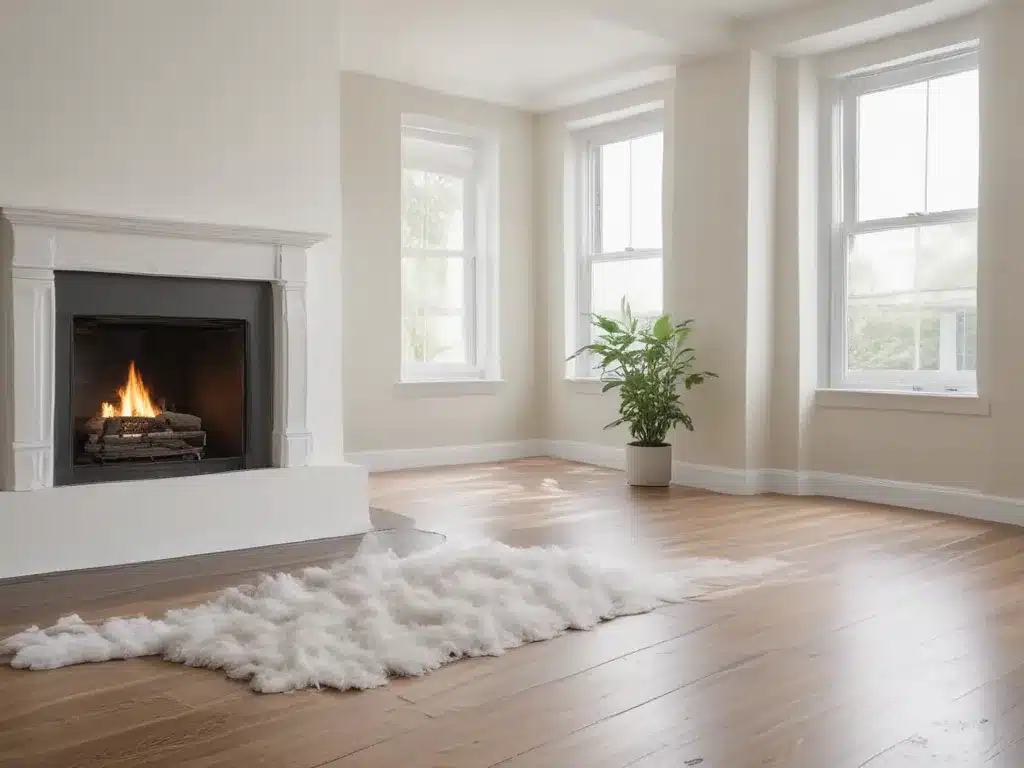
The Importance of Indoor Air Quality
I understand the significance of maintaining a healthy indoor air environment for our overall well-being. Our homes should be a sanctuary, a place where we can breathe freely and feel rejuvenated. However, many of us may not realize the potential threats lurking within our living spaces. Indoor air pollution can stem from a variety of sources, such as dust, mold, pet dander, and even the products we use for cleaning and home maintenance.
The quality of the air we breathe indoors can have a profound impact on our respiratory health, triggering allergies, asthma, and other respiratory issues. Studies have shown that poor indoor air quality can also contribute to headaches, fatigue, and even long-term health problems. As a professional cleaning expert, I’ve seen firsthand the difference a clean, well-ventilated home can make in the lives of my clients.
In this comprehensive guide, I will share with you a wealth of pro tips and strategies to help you freshen up your home’s air quality and create a healthier living environment for you and your loved ones. From simple DIY techniques to more advanced solutions, I’ll cover a wide range of topics to empower you to take control of the air you breathe.
Understanding Indoor Air Pollutants
The first step in improving your home’s air quality is to understand the common indoor air pollutants that can compromise your living environment. These pollutants can come from a variety of sources, both inside and outside your home.
Some of the most prevalent indoor air pollutants include:
– Dust and Particulate Matter: These tiny airborne particles can come from a variety of sources, such as dirt, pet dander, and even cooking residue.
– Volatile Organic Compounds (VOCs): These are chemicals found in many household products, such as cleaning supplies, paints, and furniture.
– Mold and Mildew: Damp areas in your home can provide the perfect breeding ground for these fungal growths, which can release spores into the air.
– Pollen and Allergens: Outdoor allergens can make their way indoors, triggering reactions in those with sensitivities.
– Carbon Monoxide: This odorless, colorless gas can be produced by malfunctioning fuel-burning appliances, such as furnaces or water heaters.
By understanding the sources of these pollutants, we can develop targeted strategies to address them and improve the air quality in our homes.
Implementing Effective Air Purification Strategies
One of the most effective ways to improve indoor air quality is through the use of air purification systems. These advanced devices are designed to remove a wide range of airborne pollutants, helping to create a cleaner, healthier living environment.
When choosing an air purifier, it’s important to consider factors such as the size of the room, the specific pollutants you’re targeting, and the noise level of the unit. HEPA (High-Efficiency Particulate Air) filters are particularly effective at capturing fine particles, while activated carbon filters excel at removing odors and VOCs.
In addition to using air purifiers, there are several other strategies you can implement to freshen up your home’s air quality:
Proper Ventilation
Ensuring adequate ventilation in your home is crucial for maintaining good indoor air quality. Open windows regularly to allow fresh air to circulate, and consider installing mechanical ventilation systems, such as exhaust fans or heat recovery ventilators, to improve air exchange.
Housekeeping Habits
Regular cleaning and maintenance of your home can go a long way in reducing indoor air pollutants. Vacuum frequently with a HEPA-equipped vacuum cleaner, dust surfaces regularly, and consider using natural, non-toxic cleaning products to minimize the release of VOCs.
Houseplants
Certain houseplants have been shown to be effective at removing various airborne contaminants, including VOCs and carbon dioxide. Consider adding some of these natural air purifiers to your home to help improve the overall air quality.
Humidity Control
Maintaining the proper level of humidity in your home can help prevent the growth of mold and mildew, which can contribute to poor indoor air quality. Use a dehumidifier or humidifier as needed to keep the humidity levels within the recommended range.
By implementing a combination of these strategies, you can create a healthier, more breathable living environment for you and your family.
The Impact of Indoor Air Quality on Health
The quality of the air we breathe indoors can have a significant impact on our overall health and well-being. Exposure to indoor air pollutants can lead to a range of respiratory and health issues, from minor irritations to more severe, chronic conditions.
Respiratory Concerns
One of the most common health impacts of poor indoor air quality is on the respiratory system. Exposure to airborne allergens, such as dust, pet dander, and pollen, can trigger allergic reactions, leading to symptoms like sneezing, coughing, and nasal congestion. For individuals with asthma, exposure to these pollutants can exacerbate their condition, causing more frequent and severe asthma attacks.
Cardiovascular Effects
In addition to respiratory concerns, poor indoor air quality has also been linked to cardiovascular health issues. Exposure to fine particulate matter, such as that found in smoke or vehicle emissions, has been associated with an increased risk of heart disease, stroke, and other cardiovascular problems.
Long-Term Health Consequences
Prolonged exposure to certain indoor air pollutants, such as volatile organic compounds (VOCs) and radon, can have more serious long-term health consequences. These pollutants have been linked to an increased risk of certain types of cancer, as well as other chronic health conditions.
Cognitive Function and Mental Health
Interestingly, research has also shown a correlation between indoor air quality and cognitive function, as well as mental health. Exposure to elevated levels of carbon dioxide, for example, has been associated with decreased productivity, impaired decision-making, and even increased feelings of anxiety and depression.
By understanding the potential health impacts of poor indoor air quality, we can be more proactive in taking steps to improve the air we breathe within our homes and workplaces.
Strategies for Improving Indoor Air Quality
Now that we’ve explored the importance of indoor air quality and the potential health impacts, let’s dive into some practical strategies for improving the air in your home.
Air Filtration and Purification
As mentioned earlier, investing in a high-quality air purifier is one of the most effective ways to remove a wide range of airborne pollutants from your living space. When choosing an air purifier, look for HEPA filters, which are designed to capture 99.97% of particles as small as 0.3 microns in size. Additionally, activated carbon filters can help remove volatile organic compounds (VOCs) and odors.
Ventilation and Air Exchange
Proper ventilation is key to maintaining good indoor air quality. Make sure to open windows regularly to allow fresh air to circulate, and consider installing mechanical ventilation systems, such as exhaust fans or heat recovery ventilators, to improve air exchange.
Housekeeping and Cleaning Habits
Your daily cleaning and maintenance routines can have a significant impact on the air quality in your home. Vacuum frequently with a HEPA-equipped vacuum cleaner, dust surfaces regularly, and use natural, non-toxic cleaning products to minimize the release of VOCs.
Humidity Control
Maintaining the proper level of humidity in your home is crucial for preventing the growth of mold and mildew, which can contribute to poor indoor air quality. Use a dehumidifier or humidifier as needed to keep the humidity levels within the recommended range of 30-50%.
Houseplants
Certain houseplants have been shown to be effective at removing various airborne contaminants, including VOCs and carbon dioxide. Consider adding some of these natural air purifiers to your home to help improve the overall air quality.
Addressing Specific Pollutants
Depending on the specific pollutants present in your home, you may need to take targeted actions to address them. For example, if you suspect the presence of radon, you may need to install a radon mitigation system. If you’re dealing with mold or mildew, you’ll need to identify and address the underlying moisture issues.
By implementing a combination of these strategies, you can create a healthier, more breathable living environment for you and your family.
Real-World Examples and Case Studies
To provide you with a more comprehensive understanding of indoor air quality improvement, let’s take a look at some real-world examples and case studies.
The Allergy-Prone Family
The Johnson family had struggled with persistent allergies and respiratory issues for years, with their young son, Timmy, experiencing frequent asthma attacks. After consulting with a professional cleaning expert, they learned that their home was harboring high levels of dust, pet dander, and mold spores.
The expert recommended a multi-pronged approach, including the installation of a high-efficiency air purifier, regular deep cleaning to remove accumulated dust and allergens, and the use of a dehumidifier to control moisture levels. Within a few weeks, the Johnson family noticed a significant improvement in Timmy’s breathing, and the entire family experienced relief from their allergy symptoms.
The Eco-Conscious Homeowner
Sarah, a health-conscious homeowner, was concerned about the potential impact of toxic chemicals in her home. She wanted to find a way to improve the air quality without compromising her commitment to environmental sustainability.
After researching her options, Sarah decided to invest in a range of natural, plant-based air-purifying houseplants, including peace lilies, snake plants, and English ivy. She also switched to using homemade, non-toxic cleaning solutions and began regularly opening her windows to encourage air circulation.
Over time, Sarah noticed a marked difference in the freshness and clarity of the air in her home. She was able to reduce her reliance on chemical-based products while enjoying the added benefits of the beautiful, air-purifying plants.
The Newly Renovated Home
When the Smiths moved into their newly renovated home, they were thrilled with the updated finishes and modern design. However, they soon began to notice a persistent musty odor and experienced respiratory irritation, especially in certain areas of the house.
After conducting an indoor air quality assessment, the Smiths discovered that the renovation process had led to the growth of mold and mildew in several hidden areas, contributing to poor indoor air quality.
The Smiths worked with a professional remediation team to properly address the moisture issues and remove the mold. They also invested in a high-quality HEPA air purifier and made sure to maintain proper ventilation throughout the home. With these measures in place, the Smiths were able to enjoy their dream home without any lingering air quality concerns.
These real-world examples demonstrate the importance of addressing indoor air quality issues proactively and the significant impact that can have on the health and well-being of individuals and families.
Partnering with Professionals for Optimal Results
While there are many steps you can take on your own to improve the air quality in your home, there are certain situations where partnering with professional cleaning and air quality experts can be invaluable.
Professional Air Quality Assessments
If you suspect that your home may be harboring specific indoor air pollutants, such as mold, radon, or VOCs, it’s advisable to have a professional conduct a comprehensive air quality assessment. These experts can use specialized equipment and testing methods to identify the presence and concentrations of these pollutants, allowing them to develop a targeted, effective solution.
Specialized Cleaning and Remediation Services
For more complex indoor air quality issues, such as extensive mold growth or the presence of hazardous materials, professional cleaning and remediation services may be necessary. These experts have the knowledge, experience, and equipment to properly address the problem and ensure that your home is safe and healthy for occupancy.
Customized Air Purification Solutions
When it comes to selecting the right air purifier for your home, working with a professional can help ensure that you choose a system that is optimized for your specific needs. They can take into account factors such as the size of your living space, the types of pollutants present, and your personal preferences to recommend the most effective solution.
Ongoing Maintenance and Support
Maintaining good indoor air quality is an ongoing process, and working with a professional cleaning and air quality expert can provide you with the support and guidance you need to keep your home’s air fresh and healthy over time. They can offer advice on proper maintenance, recommend necessary upgrades or replacements, and be there to assist you if any new air quality concerns arise.
By partnering with the right professionals, you can have peace of mind knowing that your home’s air quality is being addressed by experts who are dedicated to creating a healthier living environment for you and your family.
Conclusion: Breathe Easier with a Healthier Home
In conclusion, maintaining optimal indoor air quality is essential for our overall health and well-being. By understanding the common indoor air pollutants, implementing effective air purification strategies, and partnering with professional cleaning and air quality experts, we can create a healthier, more breathable living environment for ourselves and our loved ones.
Remember, your home should be a sanctuary where you can relax and thrive, free from the burden of poor air quality. By taking proactive steps to freshen up your home’s air, you’ll be able to breathe easier, reduce the risk of respiratory and health issues, and enjoy a higher quality of life.
If you’re ready to take the next step in improving the air quality in your home, I encourage you to visit our services page to learn more about how our team of professional cleaners and air quality experts can assist you. Together, we can create a healthier, more sustainable living environment that promotes your well-being and that of your family.